
Bogotá becomes easier to understand when heritage, landscape and nature are given their own time, rather than squeezed between a string of transfers. For a first two-day stay, this guide focuses on the Gold Museum, Monserrate and the José Celestino Mutis Botanic Garden. They offer three different perspectives: pre-Hispanic metalwork, a view across the city from the mountain and an introduction to living plant collections. They are not three boxes to tick in a single morning.
Group the visits by location and energy. The museum and Monserrate can anchor one day if opening times and your response to the altitude allow it; the garden deserves a separate block instead of being treated as next door. Research draws on Colombia’s national tourism site and the operators of Monserrate and the garden. The itinerary is an editorial planning suggestion, not a guarantee about traffic, queue lengths or journey times.
Before you pack
- Suggested stay
- Two days with time for transfers
- Three visits
- Gold Museum, Monserrate and Botanic Garden
- Booking
- Separate mountain transport, guided walks and admission conditions
Gold Museum: understand the objects beyond their shine
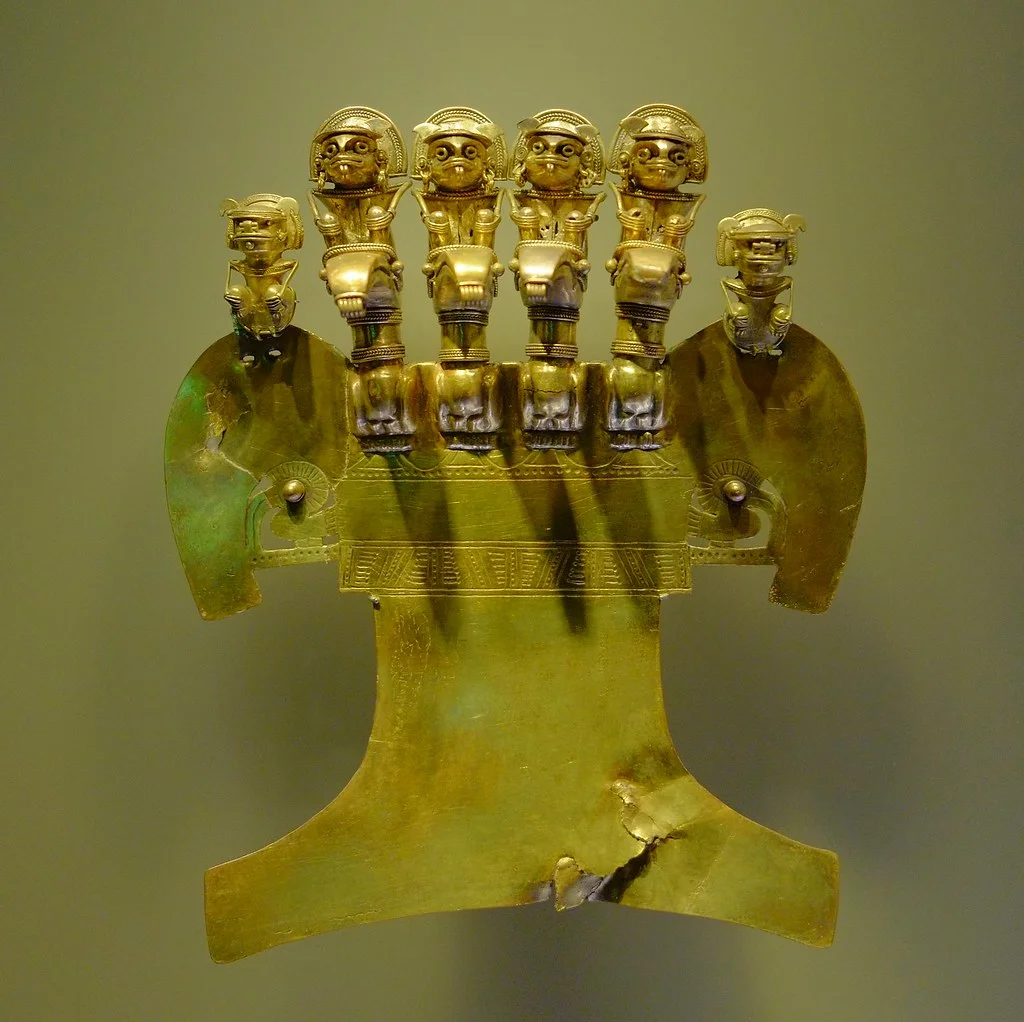
The Gold Museum introduces pre-Hispanic metalwork in a way that rewards more than a quick look at bright objects. Colombia’s national tourism profile highlights the Quimbaya poporo and the Muisca Raft, associated with the tradition of El Dorado. Look for explanations of materials, techniques and the uses of the objects. That context turns an attractive collection into a starting point for understanding the societies that made and used these pieces.
Choose several rooms or themes to explore carefully. The same source mentions interpretation in Spanish and English and additional ways to learn about the collection. Displays can change, so do not assume a particular object will always be available or that an old photograph records the current arrangement. With children, selecting a few objects and discussing their shapes may work better than trying to read every label. Leave enough time for questions rather than treating every case as another photo stop.
Check the Banco de la República’s calendar and visitor conditions before fixing the day. Read the entry instructions and the interpretation resources you want to use, rather than organising the museum around the hours of a different cultural attraction. Keep a generous part of the day for the museum and plan food outside the galleries. The documentary photograph records a collection object during an earlier visit; it is not labelled as either the poporo or the Muisca Raft.
Monserrate: plan the transport and the whole mountain visit
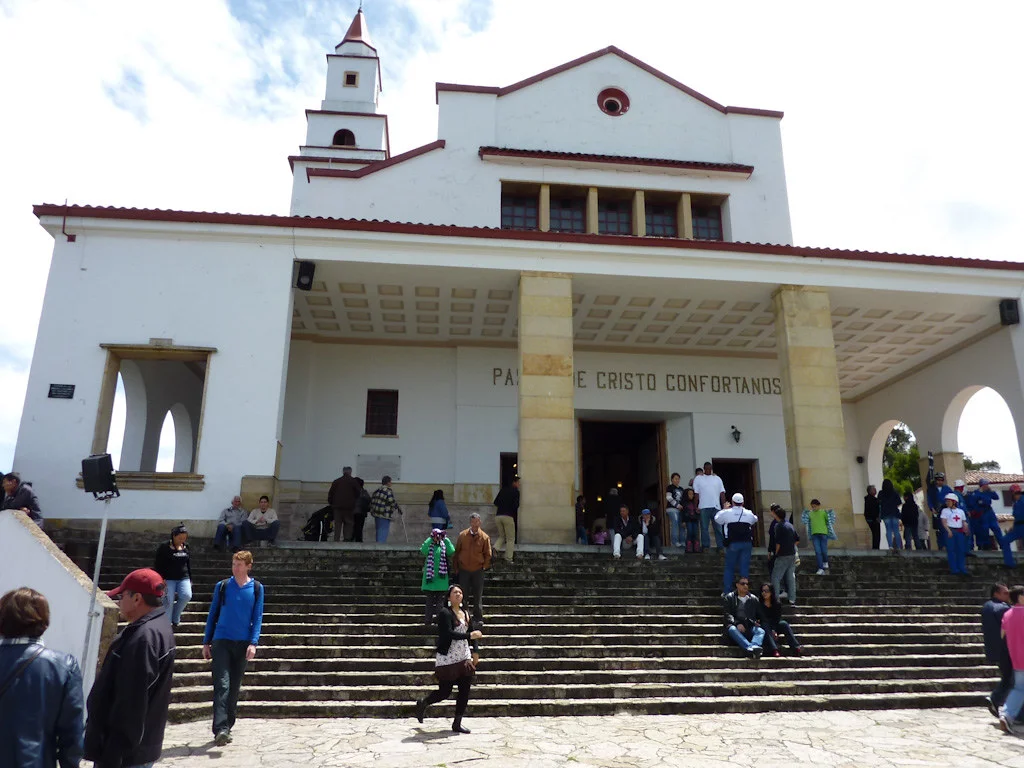
Monserrate combines a basilica, views across Bogotá and a mountain setting that changes the scale of the city. The operator places the hill at 3,152 metres above sea level and offers cable-car or funicular transport. Treat the outing as a block that includes getting there, boarding, exploring above and coming down. Buying admission does not remove those steps or establish that the entire visit can fit into a short gap between other activities.
The website distinguishes one-way and return products. An online ticket lets you go to the boarding queue without first buying at the ticket office; it does not mean there will be no waiting. Check the transport operating that day and the return journey you have actually purchased. This itinerary uses the operator’s transport rather than assigning opening hours to the pedestrian trail, which needs a separate status check before anyone plans to walk uphill.
At the top, allow time to look across the landscape and respect the basilica’s religious use. The operator advertises adapted transport access but also describes uneven ground and slopes. Strollers must be folded for boarding. If you need a mobility aid or specific assistance, confirm it before travelling: the consulted page contains inconsistent information about wheelchair loans. Adjust the effort to how everyone feels, and do not push through an uncomfortable ascent simply to complete an itinerary.
José Celestino Mutis Botanic Garden: a different pace
Bogotá’s Botanic Garden gives plants and environmental education their own space instead of adding another sequence of buildings. Its visitor page brings together admission, guided walks and the Tropicario. Arrive with something you would like to explore: recognising species, looking at how different environments are presented or helping children engage with nature. A thoughtful walk through part of the collections can be more rewarding than chasing every point shown on a map.
The general admission listed on the consulted page includes the Tropicario, but the operator also publishes categories and exceptions with different conditions. Do not transfer an exemption for entering the garden to every space without checking the applicable category. No amounts are reproduced here: read the current product and its requirements before paying. Guided group visits require advance arrangements; the website also describes open guided walks for individuals and smaller groups.
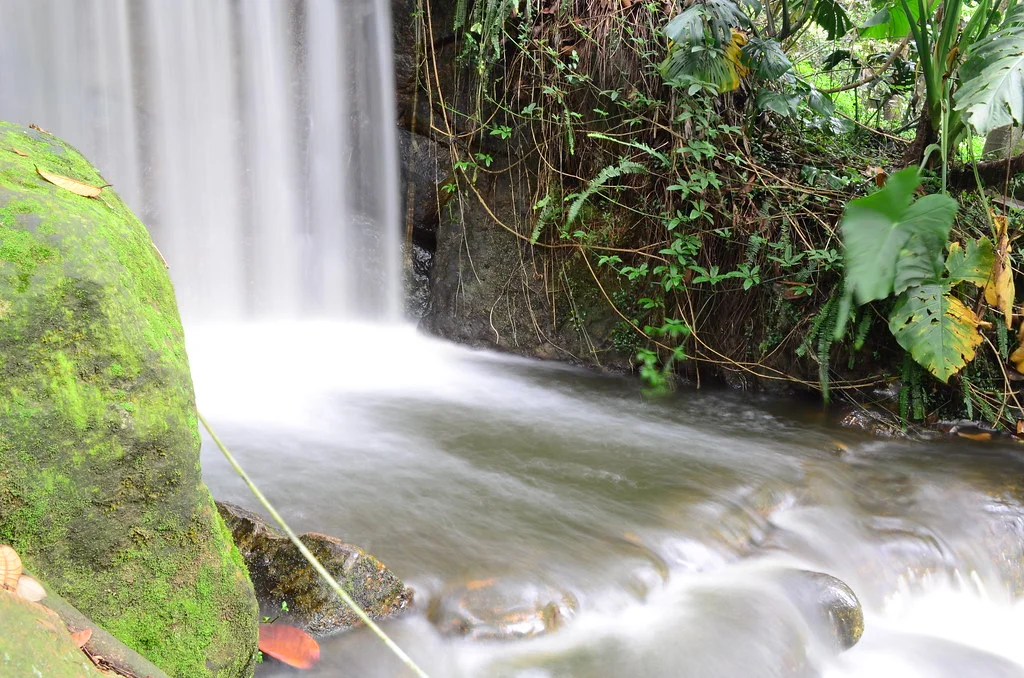
Plan this separately from the museum–Monserrate core when organising transport. Save the entrance location and a return option, and check the forecast before deciding how long to spend outdoors. A meal break should not depend on a café service you have not confirmed. The archive photograph shows a water feature and vegetation within the garden. It does not establish today’s flowering conditions or guarantee that a particular path or conservatory is available when you arrive.
Transfers, budget and breaks: build the trip around blocks
Start with blocks of time rather than an optimistic estimate for crossing Bogotá. Locate the museum, the lower station for Monserrate transport and the garden entrance on a map. Check options from your actual accommodation and leave room for traffic, queues and meals. A hotel that works for your arrival or other commitments may be more practical than one chosen solely because it appears beside a monument in a photograph.
Separate museum expenses, mountain transport, garden admission and any guided activities. At Monserrate, buying one way has different implications from buying a return; at the garden, the Tropicario’s inclusion depends on the published conditions for your category. Do not buy a third-party bundle assuming every similarly named service is included. Read the confirmation and keep a copy that you can access during the trip, especially when different people hold different tickets.
Clothing and the order of the day should respond to the forecast and how the group feels. If mountain visibility is poor, changing the order and spending longer on the cultural visit may be preferable to insisting on a panoramic view. Anyone requiring mobility assistance should ask each operator about entrances, surfaces and available support. Adapted boarding on one vehicle does not certify identical conditions throughout the destination or every route inside it.
A route to get you started
- On the first day, give the Gold Museum the first substantial block within its confirmed calendar. Pause for a meal, then decide whether weather, queues and energy leave a comfortable opportunity for Monserrate. Keep time for coming down and returning to your accommodation. Move the mountain visit to another block if necessary rather than rushing through the museum to keep an arbitrary schedule.
- Use the second day for the Botanic Garden, checking whether you want a guided walk. Confirm what the group’s admission includes and allow a food or rest break. The remaining time can stay flexible for the needs of the trip. There is no requirement to add a distant excursion simply to justify spending two days in the city.
- With only one day, choose the museum and Monserrate when opening times and your response to the altitude make that comfortable, or prioritise the garden with one other visit if plants are your main interest. For a wider Colombian itinerary, consult our Cartagena guide. Quito and Lima offer separate Andean city ideas; they are not presented as day trips from Bogotá.
Good to know
Can all three Bogotá visits be completed in one day?
Two days is a more comfortable plan. The museum and Monserrate can share a day when operating hours, queues and energy allow it. The Botanic Garden needs a separate transfer and time of its own. This guide does not provide guaranteed traffic or travel times between the three places.
Does a Monserrate online ticket remove every queue?
No. The operator says it allows visitors to proceed to the boarding queue without buying first at the ticket office. You must still account for boarding and the cable car or funicular operating that day. Check whether you have bought a one-way or return journey.
Does Botanic Garden admission include the Tropicario?
The consulted page lists it with general admission, but categories and exemptions have different conditions. Read the product that applies to your age and circumstances before paying. An exemption for entering the garden does not automatically establish free access to every additional space.
What should I confirm before visiting the Gold Museum?
Check the Banco de la República’s calendar for your date, entry conditions and any interpretation resources you want to use. Do not infer the schedule from an old photograph or another museum’s opening hours. Keep enough time for the galleries without rushing to the next stop.
A first Bogotá visit becomes clearer when each stop has a purpose: the Gold Museum provides context, Monserrate offers a perspective across the city and the Botanic Garden brings a slower encounter with plants. Spread those priorities over two days and check the products you are buying. One less transfer and a well-placed break can improve the trip more than adding places without enough time to understand them.