

Cartagena de Indias brings defensive architecture, historic streets and neighbourhood life into a relatively concentrated first visit. This guide selects three places: the walled city, San Felipe de Barajas Castle and Getsemaní. It does not add a boat excursion to every day or describe the entire city as a colonial stage set frozen in time. The aim is to understand what each area contributes and leave enough time to look beyond the obvious photograph.
Two days are a useful starting point for this selection, provided you adapt outdoor walking to the heat and your own needs. Map distance alone does not explain the effort involved: shade, rest stops, entrances and the castle’s changes in level all matter. Suggested arrangements below are planning recommendations, not official opening hours or promises about the weather. Check current access information before making a fixed timetable, particularly when a paid visit anchors the day.
Before you pack
- Suggested time
- Two days, adjusted to your pace
- Places in this route
- Three selected places
- Destination
- Cartagena de Indias
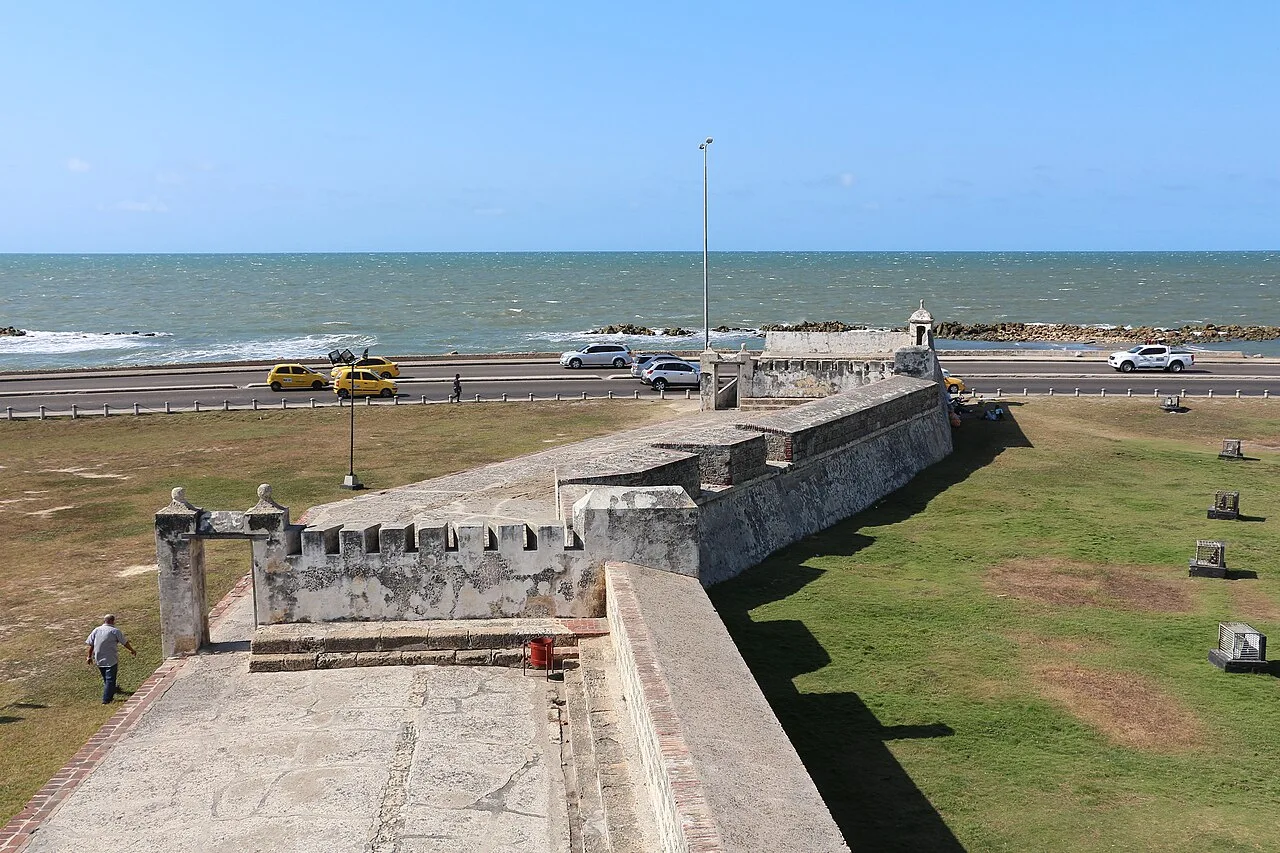
The walled city: understand the landscape through its defences
UNESCO lists Cartagena’s port, fortifications and monumental ensemble as World Heritage. Its description identifies San Pedro, San Diego and Getsemaní within the city’s historic organisation. For a first introduction, the walled area helps connect streets, buildings and defensive works with Cartagena’s position beside a Caribbean bay. Rather than looking only for colourful façades, consider why the walls were built and which parts of the city they protected. That question gives a walk a stronger sense of direction.
Choose a manageable route alternating streets with an accessible, open section of wall. Views from the defences help reveal the sea and the growing city, but access points do not all offer the same comfort or shelter from the sun. Stay on authorised paths and avoid climbing onto edges for photographs. Before stopping at a terrace or agreeing to a tour, establish the price and what is included. Being in a public walking area does not make the services offered around it free, and a clear agreement is easier than resolving a misunderstanding afterwards.
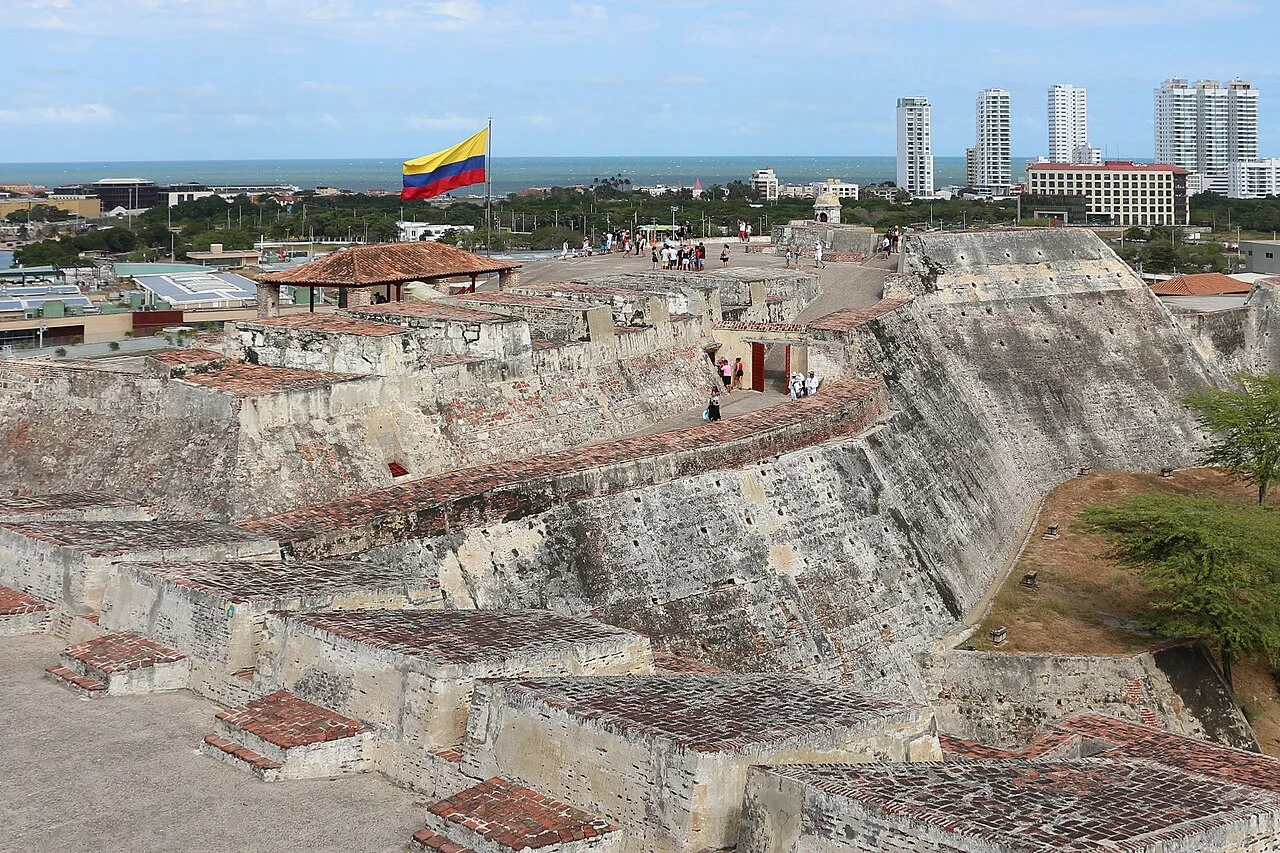
San Felipe de Barajas Castle: read a military landscape
San Felipe de Barajas provides a different experience from walking among the houses of the historic centre. Its platforms, walls and changing levels help explain a structure designed for defence rather than a residential palace. The managing organisation places the entrance on Avenida Antonio Arévalo in the Pie del Cerro area. Use that actual access point when planning transport, especially if you arrange a vehicle or need to minimise the walk before tackling the site itself.
Before entering, check the admission category that applies to you and which spaces are currently accessible. Official information distinguishes standard tickets, exemptions and special admission days for particular groups; not every offer applies to international tourists. It also states that guiding is not included in the admission described. If you want a guide, agree the language, duration and fee beforehand. Interpretation can make the fortifications more meaningful, but it does not remove the physical demands. Secure footwear, water and pauses are more useful than trying to hurry through every change in level.

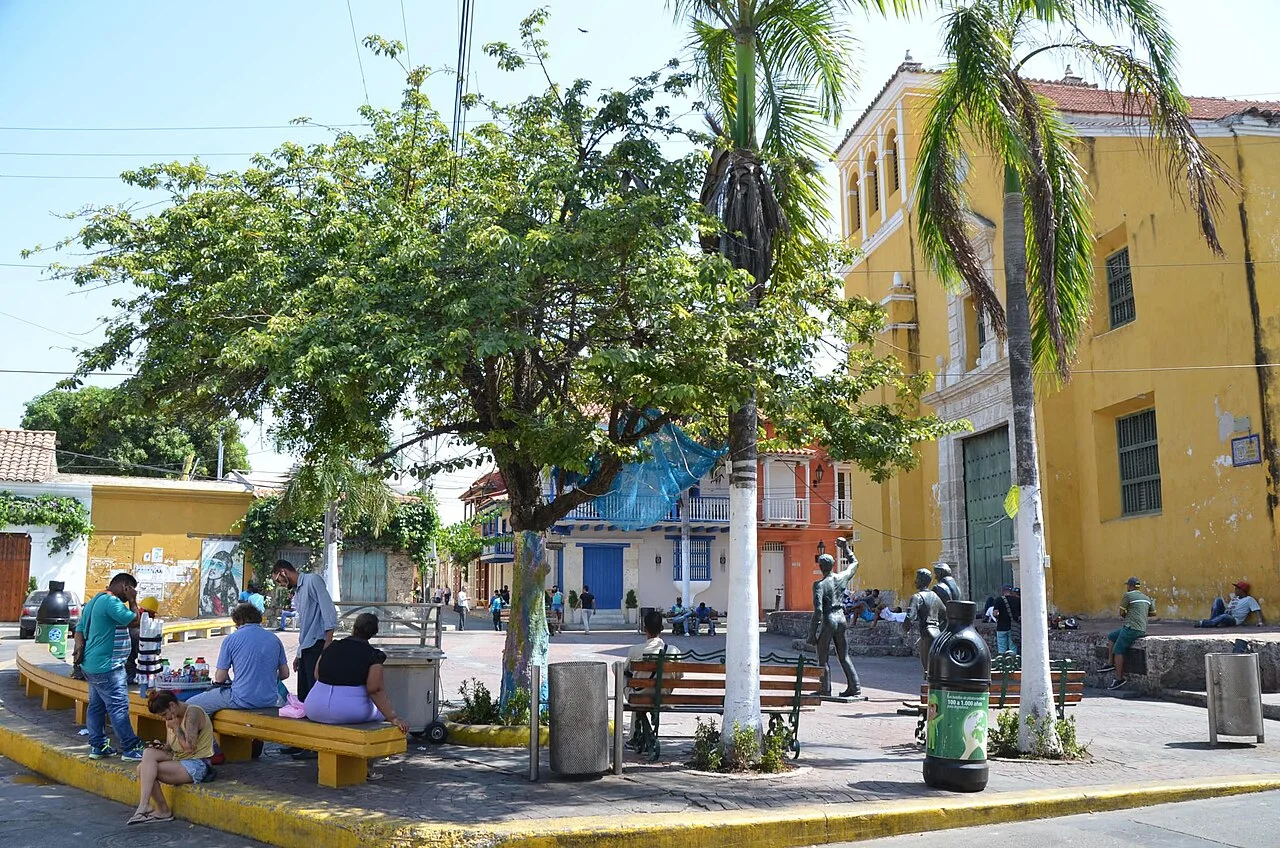
Getsemaní: visit a neighbourhood that remains a home
Getsemaní belongs to the urban history described by UNESCO, while Colombia’s tourism portal highlights its graffiti tours. Together, these perspectives connect the historic city with contemporary expression. Plaza de la Trinidad is a helpful reference point for getting your bearings, although the neighbourhood’s interest extends beyond one square. Look for relationships between streets, homes, shops and images in public space instead of treating each mural as an isolated photograph to collect and move past.
Street art changes, so a travel photograph cannot guarantee that a particular work will still be visible when you arrive. Respect doors and windows, ask before making close portraits of people and avoid blocking access while photographing a building. If choosing an art walk, ask how the guide relates to the neighbourhood and what context the tour offers beyond photo stops. On a first visit, learning the route during daylight is useful. If you later stay for food or music, make a clear plan for getting back rather than improvising transport when tired.

Plan for heat and make service costs clear
Leaving gaps in a Cartagena itinerary serves a practical purpose. Divide outdoor sightseeing into blocks with opportunities to drink water, eat and rest; bring sun protection and check the local forecast. If heat affects you, shorten the route instead of assuming that a small distance must be easy. Before buying a castle ticket, ask about the actual route when mobility limitations or difficulty with slopes are relevant. A description of a landmark is not a guarantee that every visitor can comfortably follow the same circuit.
Separate the cost of walking around from the cost of services. Confirm charges for refreshments, photographs offered by other people, transport and guided explanations before accepting. Choose accommodation with realistic journeys and rest in mind, not simply proximity to a famous image. A room near lively streets may require extra attention to noise. If beaches or islands are also priorities, give them a separate block and investigate transport arrangements. This route is designed to introduce three urban places properly, rather than squeeze a complete coastal holiday into two days.
A route to get you started
- Day one: begin with a section of the walled city and notice how its streets relate to the defences. Take a substantial break whenever you need relief from the sun and give Getsemaní a separate sightseeing block. Choose the connection between the areas according to your energy. A distance that looks modest on a map is not a reason to make every transfer an obligatory walk.
- Day two: visit San Felipe de Barajas during an opening period that also suits your comfort. Allow time to orient yourself, take breaks and understand the different levels. Afterwards, return to whichever part of the historic city most interested you rather than automatically adding a lengthy excursion. A second look often reveals details missed when you were still finding your bearings on the first day.
- With only one day, choose between a more substantial castle visit and extra time in the historic streets and Getsemaní. For young children or anyone who finds walking difficult, shorter routes and predictable rests are more valuable than a complete checklist. Do not use the itinerary to justify an uncomfortable climb; each group can change the selection while still gaining a meaningful introduction to Cartagena.
Good to know
Are the walled city and Getsemaní exactly the same place?
They are connected parts of Cartagena’s history, but distinguishing them helps with practical planning. UNESCO identifies several historic neighbourhoods, including Getsemaní. Choose a specific meeting or starting point for each walk rather than assuming that the word centre refers to one address. That clarity is useful when booking transport, arranging a guide or deciding where to eat after a visit.
Does admission to San Felipe include a guided tour?
The managing organisation’s information consulted for this guide states that guiding is not included in the admission described. Ask about available options and agree service conditions before booking. Also check current rates and exemptions: some free admission arrangements are reserved for particular categories and should not be assumed to apply to every visitor or every date.
Should I add an island excursion to these two days?
That depends on your priorities, but treat it as a separate activity rather than a small gap-filler. Boarding, transfers and the return journey require their own time and conditions that must be confirmed with the operator. If island time is the main purpose of your trip, reduce the city route or extend the stay instead of stacking commitments without room for delays.
Cartagena becomes more meaningful when its walls, fortress and neighbourhoods are approached as parts of the same urban story. These three places offer a first introduction without turning sightseeing into a race against the heat. Confirm admission and service conditions, respect daily life in Getsemaní and leave room to return to a street that caught your attention. The most rewarding discoveries often happen when there is still enough energy to observe rather than simply keep moving.