

Lima deserves more than a few hours between the airport and a flight to the Andes. Its historic centre, an archaeological site inside the modern city and a museum devoted to ancient Peru offer three complementary perspectives. This guide gives Plaza Mayor and its surroundings, Huaca Pucllana and Larco Museum three days. The aim is to understand different historical layers without confusing them or spending the entire stay crossing the city.
The practical key is to organise by area. Pucllana is in Miraflores, Larco is in Pueblo Libre, and the historic centre involves another journey. Do not estimate travel time from kilometres alone: check the route on the day and leave a margin before any reservation. The suggested schedule divides your attention sensibly rather than promising a particular traffic condition.
Before you pack
- Suggested time
- Three days, adjusted to your pace
- Places in this route
- Three selected places
- Destination
- Lima
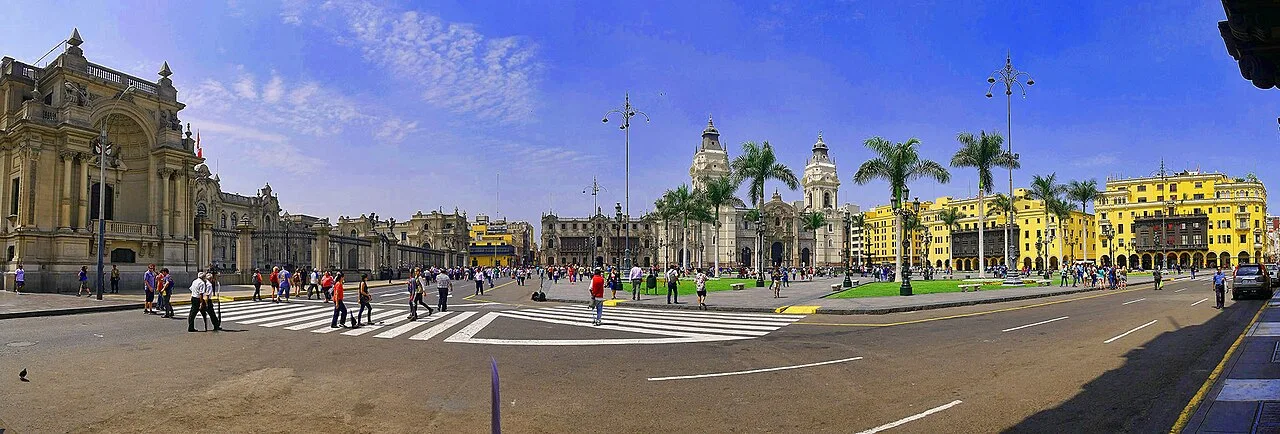
Plaza Mayor and the historic centre: begin with the urban layout
Plaza Mayor is a useful starting point for understanding viceregal Lima. UNESCO identifies the square’s ensemble, including the Cathedral and Archbishop’s Palace, within the historic centre. Its significance extends beyond an individual building to the street plan, institutional relationships and adaptations of architecture to available materials and earthquakes. Look first at the shape and arrangement of the square before moving towards a façade.
This section proposes an outdoor walk around the square and its immediate setting. Interior visits are separate decisions: check tickets, opening arrangements and entrances if one interests you, rather than assuming every visible building welcomes sightseeing at that moment. An institutional square may have checks or temporary restrictions. Follow local instructions and alter the walk if access changes instead of attempting to cross controlled areas.
Notice balconies, proportions and materials, but avoid assigning dates to façades purely from their appearance. UNESCO explains that the architectural landscape includes rebuilding and contributions from different periods. That complicated history is more interesting than imagining a city untouched since its foundation. For greater detail, choose an accredited guide and agree on the route, language and duration before beginning.
Allow a substantial block for walking, observing and eating without haste. Before leaving your accommodation, establish an arrival point and a return pickup location; this small decision reduces improvisation when you are tired. Carry what you need and consult current local advice. The itinerary does not assume every surrounding street has identical conditions or that a tourism photograph can establish the situation on a particular day.
Huaca Pucllana: archaeology within Miraflores
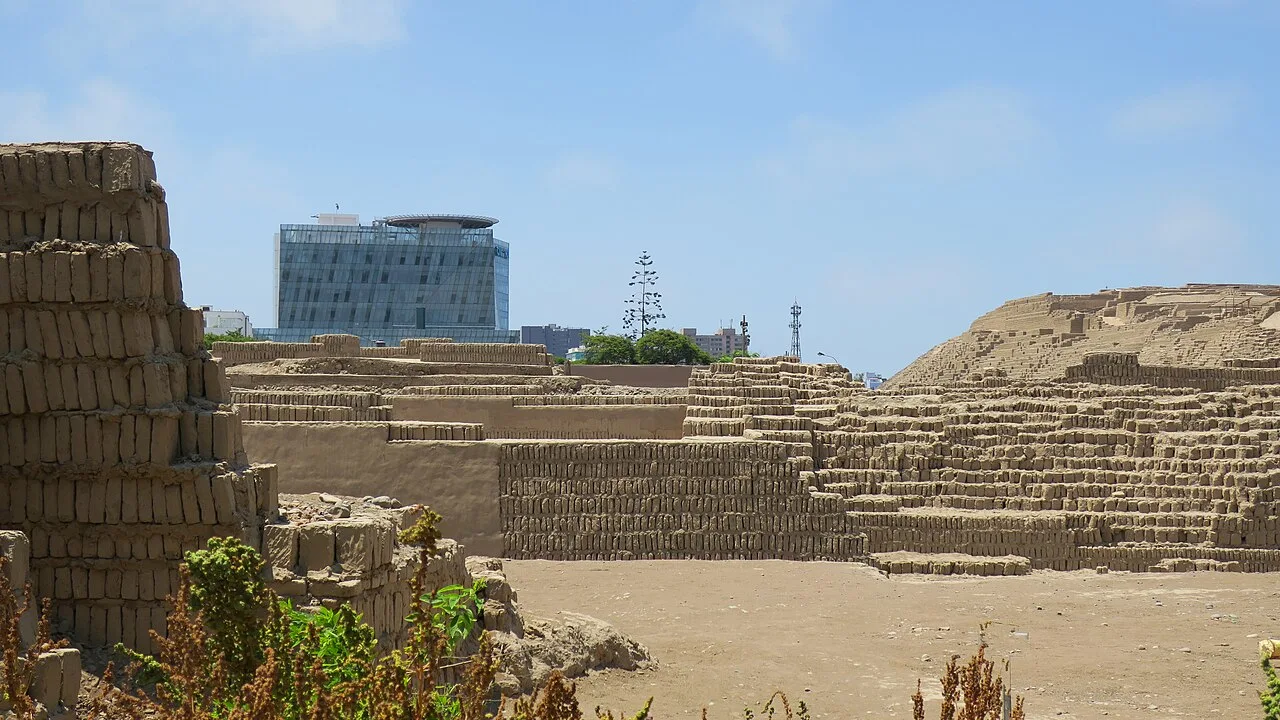
Huaca Pucllana demonstrates that Lima’s history did not begin with the colonial city. Peru’s Ministry of Culture describes a site museum connected to excavation, conservation and research, together with an archaeological visitor circuit. That combination matters: this is not simply an abandoned ruin between modern buildings but a place whose understanding and preservation remain active projects.
The official entry locates the museum on General Borgoño in Miraflores. Check current visit options and confirm arrangements through the site’s contact details, especially if you need a particular time. Daytime and evening visits may have different conditions. An illuminated photograph does not establish that an evening route is available every day. Prices are not repeated here because the amount and applicable category should be checked before payment.
Use the guide’s explanation to distinguish original structures, conservation interventions and research areas. Stay on the visitor circuit and do not lean on ancient walls for photographs. Looking at the relationship between the archaeological complex and contemporary buildings reveals a distinctive aspect of Lima: different layers of urban history continue to share the same physical space.
For children, ask which sections suit their age and how long the visit involves standing. Visitors with reduced mobility should enquire about surfaces, gradients and alternatives before booking. Prepare water and suitable protection for outdoor exposure in accordance with the site’s rules. The experience is more rewarding when you can listen comfortably than when it is squeezed between two urgent transport connections.

Larco Museum: put ancient Peru into a wider context
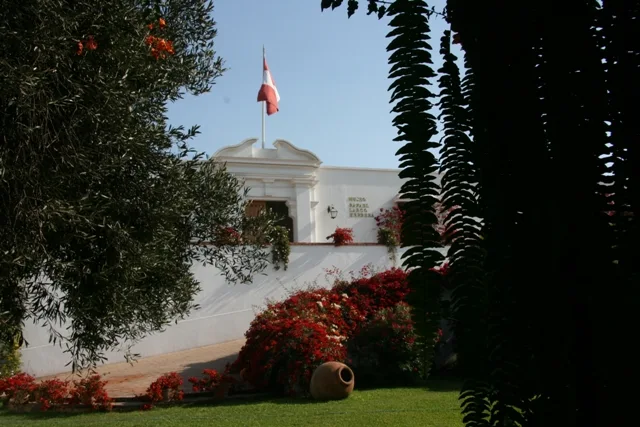
Larco Museum in Pueblo Libre broadens the view beyond a single culture or period. Its official description focuses on the development of pre-Columbian societies and their understanding of the world. For travellers continuing to Cusco, this helps challenge the idea that all ancient Peruvian history can be reduced to the Incas. Give the collection time for comparison rather than simply recognising famous objects.
The website separates the permanent exhibition, visible storage and erotic art gallery. Choose a sequence suited to your interests and companions. On a family visit, review gallery themes beforehand and decide how you want to explain them. Being able to choose which spaces to explore is more useful than discovering their subject matter without having discussed it.
Visible storage offers a different experience from selected display cases. It reveals the scale of a collection and allows comparison of repeated forms and variations. Do not try to examine every object with equal intensity. Pick a question about a represented figure, a vessel’s purpose or a particular technique, then look for answers in the labels. That approach is often more memorable than photographing one cabinet after another.
Check the current entrance on the official website: the museum identifies access on Navarra Street although its institutional address is on Simón Bolívar Avenue. Knowing that distinction avoids arriving at a façade and searching for a door at the last minute. Several hours is a useful planning allowance, with travel time added separately. If you want a meal there, confirm restaurant arrangements independently of museum admission.

Plan journeys and arrival days realistically
Spreading these visits across three days reduces unnecessary cross-city travel. With only two days, consider combining Pucllana and Larco, allowing a substantial transfer margin, but do not assume they share a neighbourhood. Check traffic before departure and agree on clear pickup points when arranging transport. A journey that looks reasonable in an application can change considerably with timing.
Do not turn a short airport connection into this entire itinerary. Add immigration or other arrival formalities, baggage, travel into the city and the required return margin before deciding what fits. Check Lima’s actual forecast rather than using conditions in Cusco as a substitute. A light extra layer and flexible outdoor time may be more useful than a generic packing recommendation for the whole of Peru.
A route to get you started
- Day 1: give the main part of the day to Plaza Mayor and the historic setting. Observe the layout and exteriors, adding an interior only after confirming access. Plan a meal break and a clear return journey rather than finishing with a last-minute admission somewhere far away.
- Day 2: visit Huaca Pucllana under the arrangements you have confirmed. Make time for the explanation and leave the rest of the day flexible. If you have just arrived in Lima, this structure allows adjustments without jeopardising a long chain of reservations.
- Day 3: explore Larco Museum with a choice of galleries matching your interests. Allow time to read and compare objects as well as to travel back. Avoid leaving the museum at the last possible moment if you also have a flight that evening.
Good to know
Is Lima worth three days before travelling to Cusco?
Yes, if historical context and museums interest you. These visits reveal different aspects of the city and ancient Peru. They are not compulsory additions to every trip: with less time, choose the experience that best complements your wider itinerary rather than trying to do everything briefly.
Are Pucllana and Larco Museum the same kind of visit?
No. Pucllana combines a site museum and archaeological circuit in Miraflores, while Larco presents pre-Columbian collections in Pueblo Libre. They complement one another but are neither interchangeable nor in the same neighbourhood. Choose according to whether you prefer an archaeological site or a collection-based experience.
Should I try all three places in one day?
That would be a compressed day vulnerable to transport delays. Spreading them out is preferable if you want to read, listen to explanations and rest. With only a few hours, select one main visit instead of trying to complete the full list.
Do these visits always need advance reservations?
Conditions depend on the site, visit type and date. Consult Pucllana and Larco through their official channels and check entry arrangements for any historic-centre interior you want to add. In particular, do not assume an evening visit follows the same schedule or conditions as daytime access.
Lima makes more sense when its historical layers have room: the centre introduces the viceregal city, Pucllana active archaeology within the metropolis, and Larco a broader view of ancient Peru. Organising by area and preserving realistic travel margins turns those different experiences into a coherent visit.