

Mexico City offers ways to approach Día de Muertos through public offerings, cultural programmes and community expressions. For a first visit with limited time, the Zócalo and Chapultepec festival provide two concrete places around which to plan. There is no need to cover the entire city to recognise that remembrance, artistic creation and different ways of honouring deceased loved ones coexist within the celebration.
The city’s official 2026 guide was reviewed on 30 October. We distinguish upcoming activities from events that have already ended, and public installations from family ceremonies. UNESCO’s recognition of the Indigenous festivity as intangible cultural heritage does not make every contemporary expression identical or imply unrestricted access to every act of remembrance.
Before you pack
- Zócalo
- Monumental offering: 29 October–2 November
- Chapultepec
- Festival: 29 October–4 November in the Second Section
- Main parade
- 31 October 2026, advertised start at 14:00 along Reforma towards the Zócalo
The Zócalo: allow time for the monumental offering
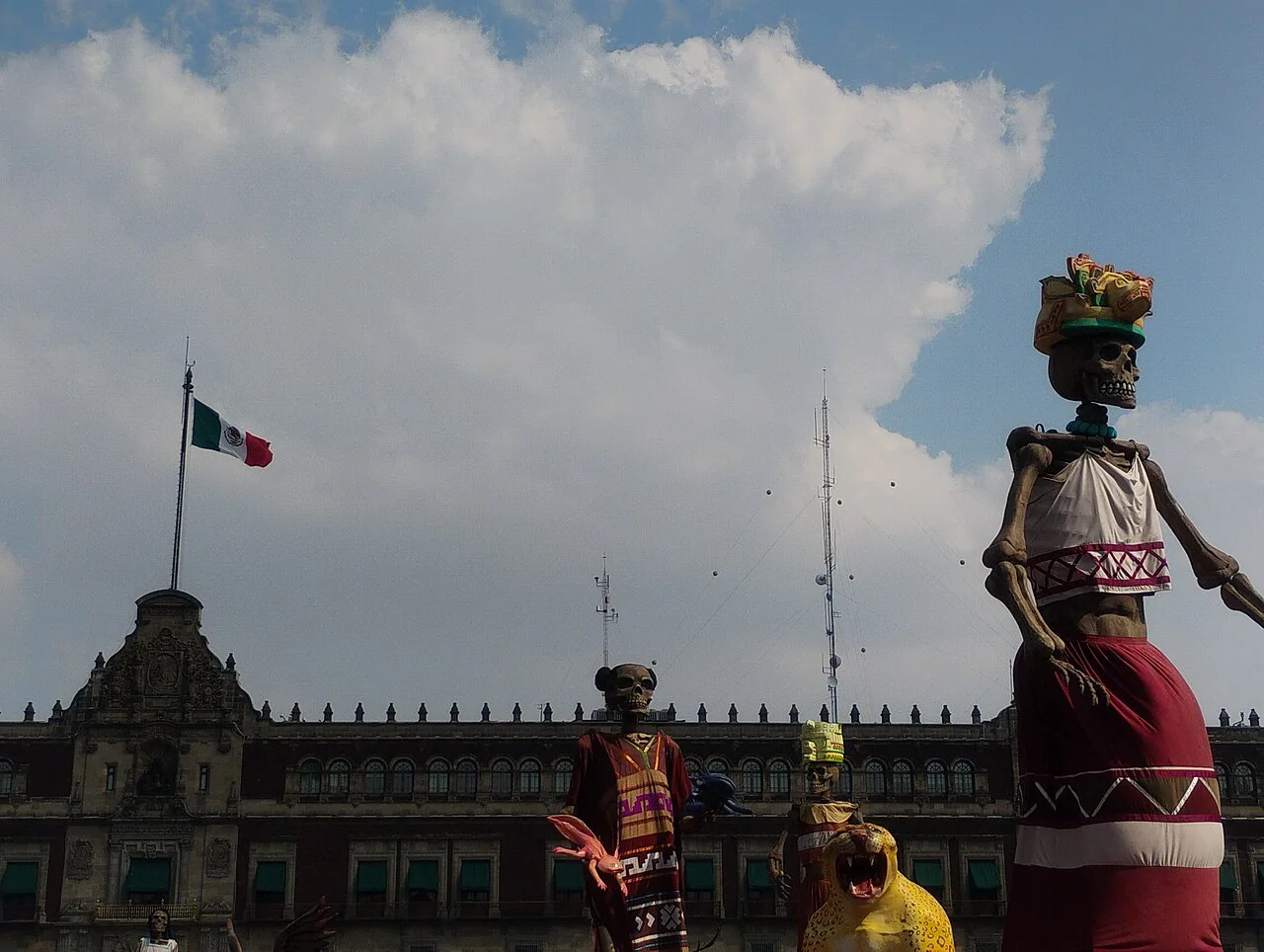
The Zócalo’s monumental offering is advertised from 29 October to 2 November. The 2026 programme highlights a tribute to José Guadalupe Posada’s Catrina, with papier-mâché work, sawdust carpets and cempasúchil flowers. This large civic installation can provide an initial visual introduction, while family offerings retain their own stories and practices beyond what a monumental display can represent.
Allow time to observe rather than reducing the visit to one photograph. Read explanatory material when available, identify whom an offering commemorates and keep passageways clear. Do not move food, flowers or objects to improve a picture: they form part of the installation and, in other settings, a personal dedication. The photograph accompanying this section comes from an earlier edition and does not document the exact 2026 design.
On 31 October, the city’s advertised main parade reaches the Zócalo from Reforma. Do not plan movement around the square as though it were an ordinary day. Decide whether to focus on the parade or the offering and consult operational notices before setting out. A generous travel margin is more useful than several consecutive reservations arranged around the city centre.
Chapultepec: locate the festival in the Second Section
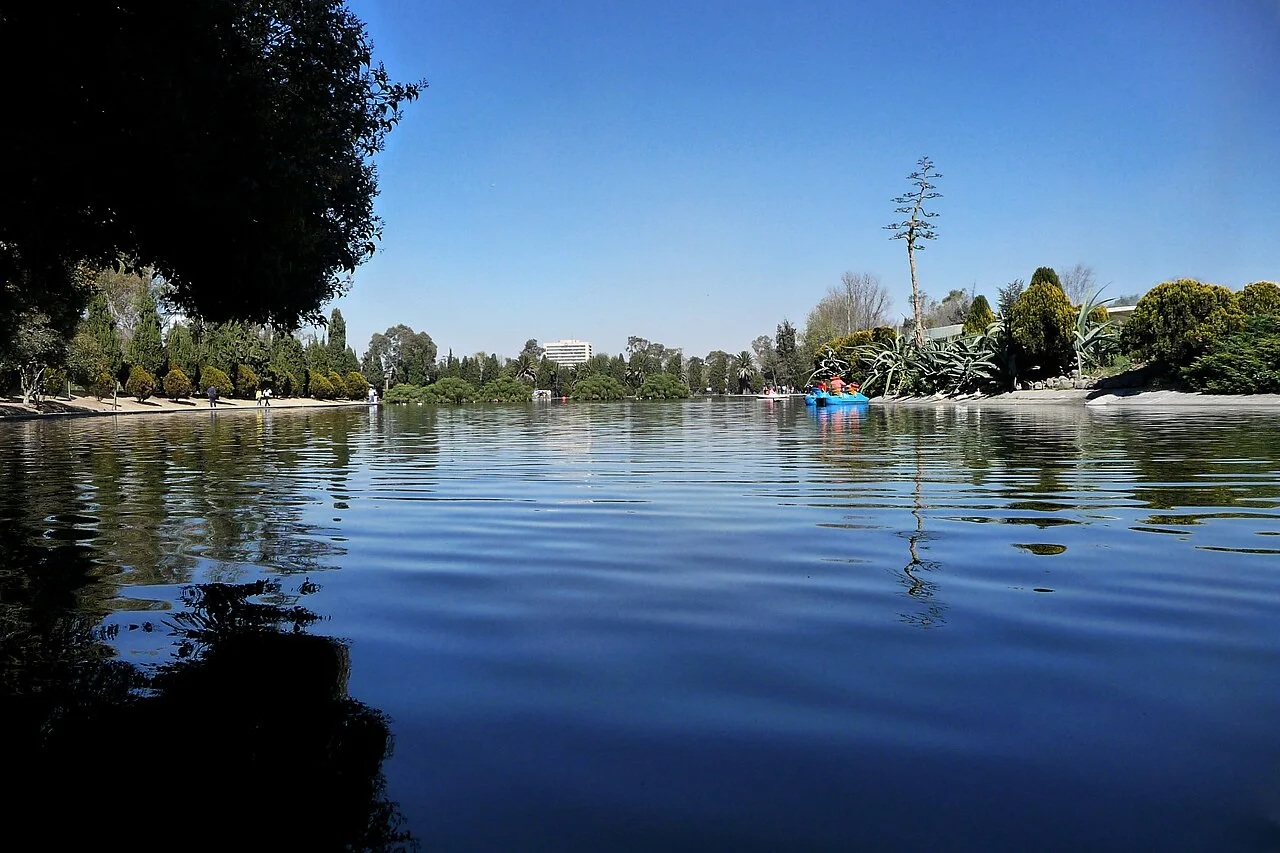
La Puerta entre dos mundos is advertised from 29 October to 4 November. The location given is Paseo de los Compositores and Lago Mayor in the Second Section of Chapultepec Forest. This detail matters: searching only for “Chapultepec” can lead to an arrival plan for a different part of a very large area. Save the specific point and check its appropriate access before arranging the journey.
Under the concept El Sendero del Cempasúchil, the programme brings together art, music, dance, food and offerings. It also advertises a night-time drone performance. The consulted source does not establish an individual time for every performance here, so this guide does not promise drones at a particular hour. Check that day’s festival communication and allow for operational changes to the programme.
The photograph shows Lago Mayor in the Second Section, the setting identified by the programme. A castle image or a different lake is not used to imply the same location. During the visit, allow breaks and agree on a recognisable meeting point. If combining Chapultepec with the Zócalo, organise separate blocks with transfer time rather than compressing both places into a rushed outing.

The calendar: distinguish the different parades
The city guide advertises the Gran Desfile de Día de Muertos for 31 October at 14:00, travelling along Reforma to the Zócalo. It is distinct from the Mega Procesión de las Catrinas dated 25 October and the alebrijes parade dated 17 October. Those earlier events had already taken place when this article was reviewed. A photograph of Catrinas alone cannot identify which event it depicts.
For a stay extending into November, the Zócalo offering and Chapultepec festival have different finishing dates. Select each visit using that information and the latest official notices. This guide does not supply hours absent from the source. Cultural programmes can be updated, and a date range should not be interpreted as continuous twenty-four-hour access to an installation or performance.
Understanding an offering without imposing one formula
UNESCO describes the Indigenous festivity dedicated to the dead as a temporary encounter with deceased loved ones, celebrated between late October and early November. Flowers, candles, food and other elements contribute to that welcome according to community practices. The international inscription in 2008 recognises a living tradition; it does not establish one instruction manual that every family must follow.
When observing an offering, pay attention to its dedication and setting. A monumental installation may explore a collective theme, while a household altar may commemorate particular individuals. Do not automatically equate the two, or describe Día de Muertos as simply a Mexican version of Halloween. Asking respectfully and listening to a local explanation provides more understanding than assigning a supposedly universal meaning to every object.
Transport, crowds and an accessible visit
Consult mobility notices close to the visit, especially if the plan includes the parade. This guide does not present one transport route or access point as a permanent guarantee: operational arrangements can change circulation and arrival locations. Save precise destinations, keep necessary confirmations offline and retain an alternative for returning if the intended route becomes too crowded.
For children or visitors needing frequent breaks, prioritise one place within each part of the day. Agree where to meet and how to contact the group. Check specific accessibility requirements with the organiser, including the entrance and temporary installation. A large public square does not establish that every part of an event route offers identical surfaces, space or ease of movement.
Photography and purchases with consideration
Public offerings attract cameras, but not everyone present wants a close photograph taken. Ask before making portraits and avoid interrupting people working, explaining a piece or participating in remembrance. A wider view can document the visit without intruding on a personal moment. Respect barriers and instructions protecting the installation, including restrictions that may differ between its individual areas.
When buying food, flowers or crafts, ask about the product and pay the agreed price without treating the seller as an attraction. Do not remove elements from an offering as souvenirs or leave rubbish nearby. If subsequently visiting a community or cemetery, investigate its own rules: freedom to walk around a civic installation does not automatically extend to a family or ritual setting.
A route to get you started
- First block: visit the Zócalo offering on a date within its advertised calendar. On 31 October, decide beforehand whether to attend the parade as well and check how it affects arrival, movement and the journey back.
- Second block or day: head to Chapultepec’s Second Section with the precise festival location saved. Consult that day’s programme, allow time to explore and avoid depending on a night-time performance whose hour you have not confirmed.
Good to know
When is Mexico City’s main Day of the Dead parade in 2026?
The official guide advertises 31 October at 14:00 along Reforma towards the Zócalo. It is separate from the Catrinas procession on 25 October and the alebrijes parade on 17 October.
Where is the Chapultepec festival?
The programme identifies Paseo de los Compositores and Lago Mayor in the Second Section. Check the specific entrance and do not confuse this setting with other parts of the forest.
When does the Zócalo offering finish?
The advertised final date is 2 November 2026. Consult the access notices and opening arrangements for the chosen day; a seasonal date range does not mean the installation operates continuously.
A first Day of the Dead visit to Mexico City can focus on the Zócalo and Chapultepec, with their dates and locations clearly distinguished. Allow time to observe, understand the setting of each offering and approach acts of remembrance respectfully, even when they form part of a large public cultural programme.