

Mérida offers an approach to Día de Muertos within Yucatán’s cultural setting, where Janal Pixán connects food, memory and encounters with the souls of the departed. The municipal Festival de las Ánimas programme provides public activities that can support that understanding. They do not replace individual family practices or represent the entire diversity of Maya tradition by themselves.
For the 2026 visit, this guide uses the municipal programme PDF reviewed on 30 October and Yucatán’s tourism explanation of the tradition. That choice matters because a general webpage can retain another year’s text. Dates here follow the 2026 document and distinguish activities still relevant to upcoming visits from those completed several days earlier.
Before you pack
- Paseo de las Ánimas
- 30 October; advertised activities from 18:00 to 23:00
- Catrinas parade
- 31 October, 20:00, from Plaza Grande to La Plancha
- Monumental altar
- Explanation and offerings: 1 and 2 November, 10:00, Plaza Grande
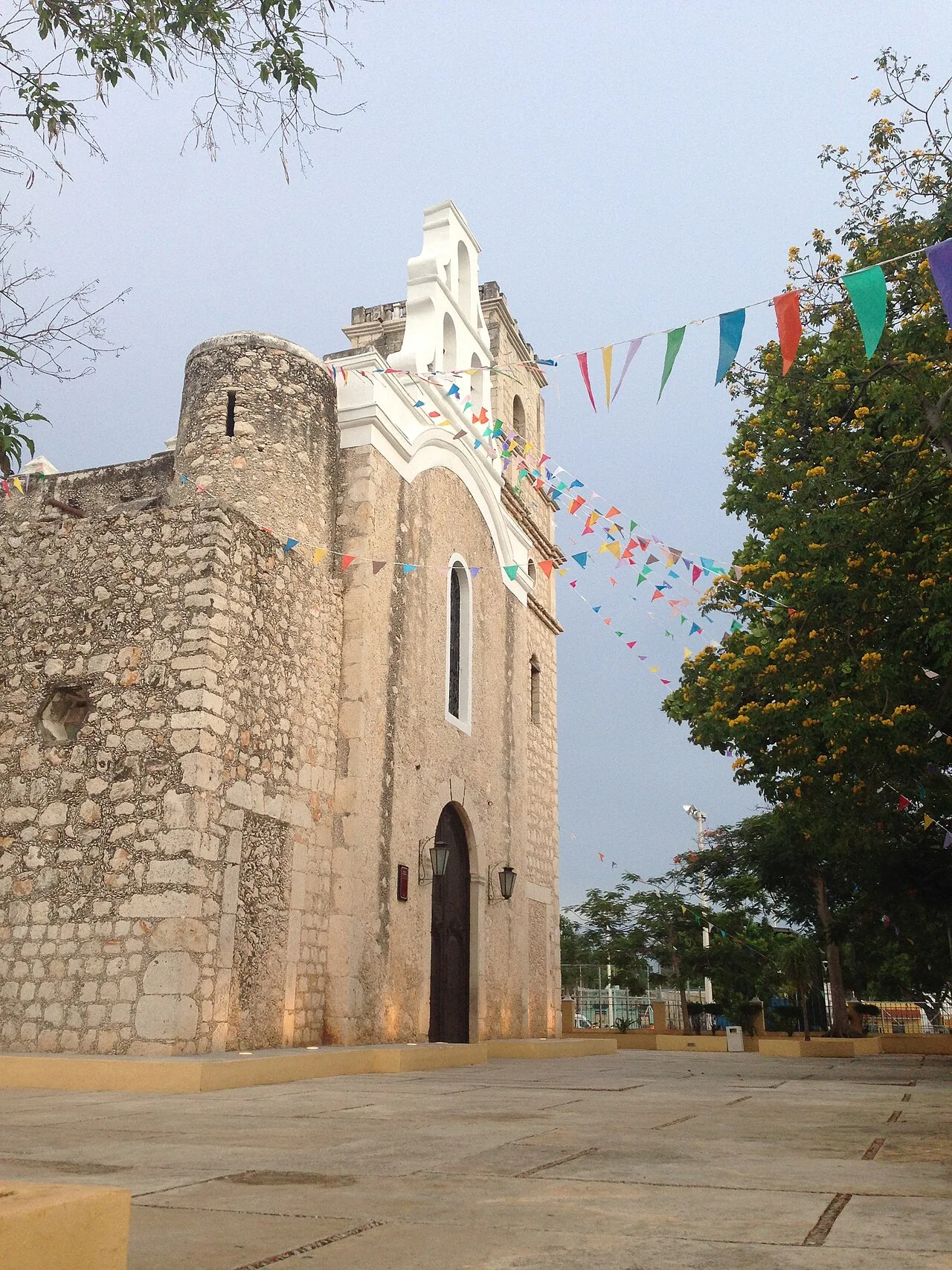
San Sebastián: one of the Paseo de las Ánimas neighbourhoods
The 2026 municipal programme places Paseo de las Ánimas on 30 October, advertising activities from 18:00 to 23:00 in San Juan, La Ermita and San Sebastián. Proposals include altars, food and artistic expressions. San Sebastián provides a concrete area to choose within that wider programme, rather than imagining one stage that every visitor must reach at exactly the same moment.
The photograph shows San Sebastián’s church as a neighbourhood reference. It does not document the 2026 festival installation or establish that an activity takes place inside the church. Save the location identified by the operational programme and follow event signage. If exploring several sectors, calculate distances and allow time to stop, listen to explanations and let other people pass.
Do not confuse the Paseo with the Feria del Mucbipollo, scheduled for 25 October in San Sebastián. That activity had already ended when this guide was reviewed. The neighbourhood’s culinary interest does not justify promising that the fair repeats on the thirtieth. For food purchases on another visit, check what authorised stalls or establishments actually offer on that particular day.
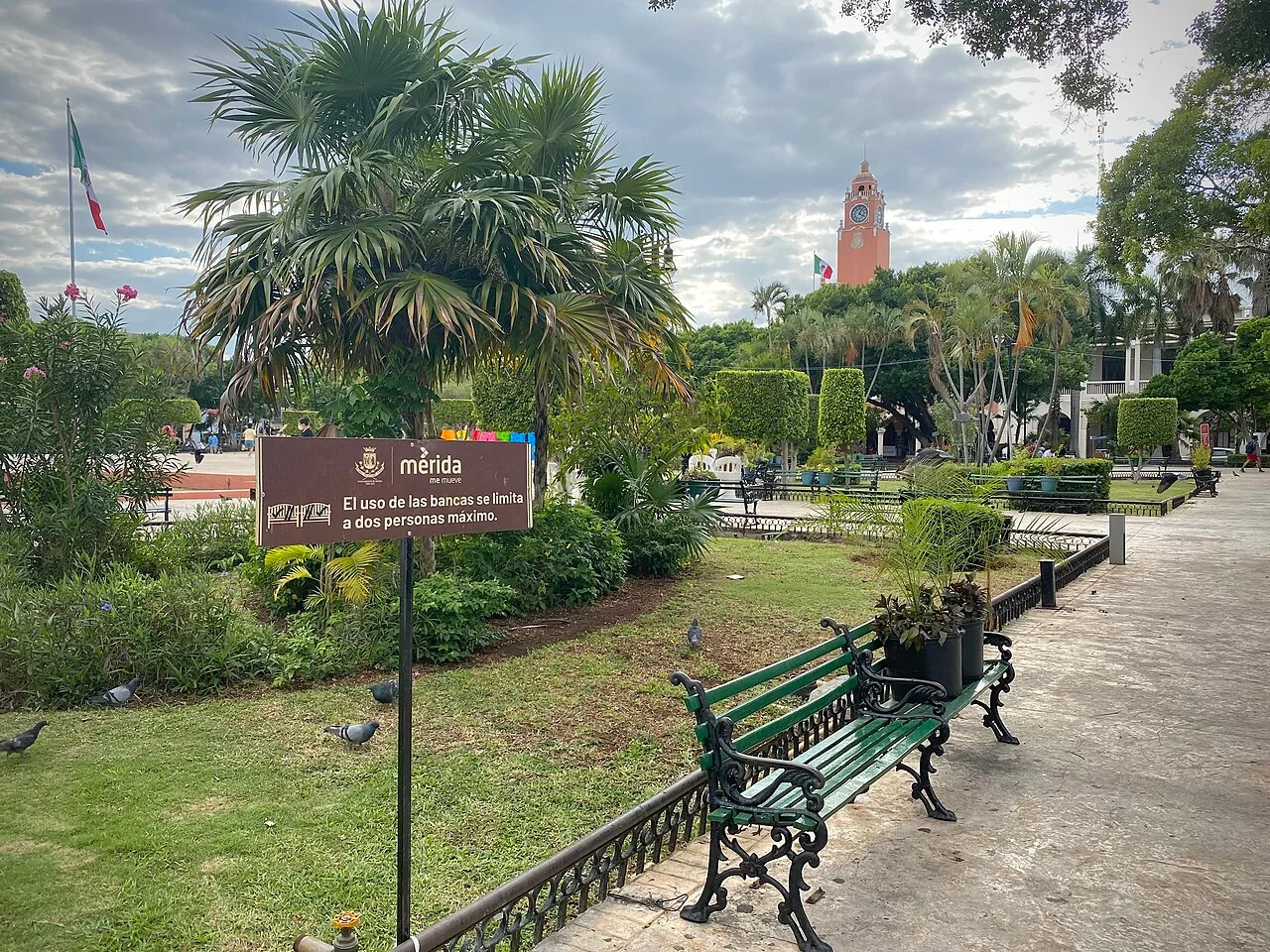
Plaza Grande: the monumental altar and November activities
Plaza Grande is the stated location for a presentation of the monumental altar, with an explanation of its meaning and the opportunity to leave offerings, on 1 and 2 November at 10:00. This provides a way to understand the installation through a public explanation rather than interpreting every element alone. Check municipal announcements for any changes to access or the organisation of the day.
The square also appears as the departure point for the Catrinas parade on 31 October at 20:00 towards La Plancha. This is a different activity from the Paseo de las Ánimas on the thirtieth. To attend both, plan separate days and distinguish their meeting points. The photograph identifies the square’s urban setting without claiming to show the altar installed for this edition.
When an activity invites visitors to leave an offering, follow instructions about doing so. Do not place objects anywhere within the installation or remove items already deposited. A public cultural explanation can be a good occasion to ask respectfully about the dedication and food, while leaving room for other people to hear and participate rather than dominating the interaction.

Janal Pixán: food and remembrance of departed souls
Yucatán’s tourism portal explains Janal as food and Pixán as soul. It describes a Maya tradition in which families remember deceased relatives through offerings, foods and objects dedicated to those returning symbolically. It also distinguishes moments associated with children, adults and all souls between 31 October and 2 November. These references provide context without imposing an identical practice on every family.
The source mentions preparations such as atole and pib or mukbilpollo, together with water, salt, photographs and other altar elements. Learning their names is a beginning, while conversations with people explaining an offering reveal the particular meaning of its dedication. A municipal display should not be confused with automatic access to a household altar: invitations and boundaries remain with those responsible for it.
Separate current dates from activities already completed
The 2026 document contains events before 30 October, including the food fair on the twenty-fifth and cemetery night tours scheduled from 24 to 27 October. This guide does not present them as forthcoming activities on 1 or 2 November. Checking that distinction matters when webpages or social posts combine different dates within one campaign for the broader festival.
For upcoming visits, record the Paseo on the thirtieth, parade on the thirty-first and altar explanation on the first and second separately. Keep the PDF alongside newer municipal announcements. If an activity is absent from your date, do not assume it continues merely because it belongs to Festival de las Ánimas. Confirm any session important enough to determine a transfer or accommodation choice.
Explore inhabited neighbourhoods considerately
Public activities take place within a functioning city. Respect entrances to homes, shops and churches, and avoid occupying an entire passage with a group stopping for photographs. Ask before taking close portraits or recording a family offering. A costume, decoration or open doorway does not provide permission to enter a property or photograph its interior.
For children, explain beforehand that part of the celebration concerns loved ones who have died. Choose a pace allowing rest and do not force participation in activities that make them uncomfortable. For accessibility requirements, check the actual route and temporary entrances with the organiser. A public venue does not establish identical conditions throughout every journey between neighbourhoods, and the group may benefit from concentrating on one manageable area.
Food, purchases and the journey back
Food can introduce visitors to Janal Pixán, provided they distinguish products offered for sale from food placed on an altar. Ask about ingredients and preparation, particularly for allergies or dietary requirements. Do not assume every product described as pib or mucbipollo uses an identical recipe. Purchase considerately and avoid moving altar objects closer to a camera for a better photograph.
Before setting out, arrange the return to the accommodation and save destinations offline. Evening events can draw crowds and change the ease of finding transport at the last moment. Agree on a meeting point and keep a margin between activities. A varied programme does not require completing every option: one experience understood properly can add more depth than rushing between several locations without time to listen.
A route to get you started
- 30 October: choose an area of Paseo de las Ánimas, such as San Sebastián, check operational arrangements and explore within the advertised 18:00–23:00 window. Do not confuse it with the food fair held on the twenty-fifth, which has already ended.
- 31 October: for the Catrinas parade, check the advertised 20:00 departure from Plaza Grande. For a visit focused on the altar’s meaning, plan around the 10:00 activity on 1 or 2 November at the same square instead.
Good to know
When is Mérida’s Paseo de las Ánimas in 2026?
The municipal PDF dates it to 30 October, with activities from 18:00 to 23:00 in San Juan, La Ermita and San Sebastián. Check operational notices for the location of individual proposals.
Does the Feria del Mucbipollo coincide with the Paseo?
Not in the programme reviewed: the fair was scheduled for 25 October and had ended when this guide was checked. It should not be advertised as an activity on the thirtieth.
When is the Plaza Grande altar explanation?
The municipal document advertises the presentation, explanation and offerings on 1 and 2 November at 10:00. Check any official update before travelling to the square for the activity.
Mérida’s Day of the Dead programme gains meaning through Janal Pixán and a clear understanding of each activity’s date. San Sebastián and Plaza Grande provide concrete places around which to plan. Choose verified sessions, listen to local explanations and respect the distinction between public activities and each family’s private remembrance.