

Oaxaca can provide a base for a cultural trip during Día de Muertos, provided the visit is not reduced to finding a candle photograph or entering a ceremony without an invitation. The historic centre and Monte Albán reveal two dimensions of the region’s heritage. Family offerings and practices belong to living communities and need to be approached according to their own boundaries.
This guide was reviewed on 30 October 2026 using UNESCO heritage information. We do not have a complete verified official calendar of Oaxaca’s 2026 comparsas, cemetery events and opening hours here. Rather than inventing a night programme, the guide proposes a cultural stay, explains what to verify for a specific activity and distinguishes archaeological visits from Day of the Dead ceremonies.
Before you pack
- Heritage
- Historic Centre of Oaxaca and Archaeological Site of Monte Albán: UNESCO inscription in 1987
- Celebration
- The Indigenous festivity dedicated to the dead has UNESCO recognition since 2008
- 2026 programme
- Verify individual local activities; this guide does not confirm comparsas or cemetery hours
Oaxaca’s historic centre: a base for observing and learning
UNESCO recognises Oaxaca’s historic centre together with Monte Albán, describing its urban layout and architectural adaptation to an earthquake-prone region. That context encourages visitors to look beyond temporary decorations. A measured walk can consider buildings, shared spaces and the everyday life that continues during dates attracting considerable visitor interest.
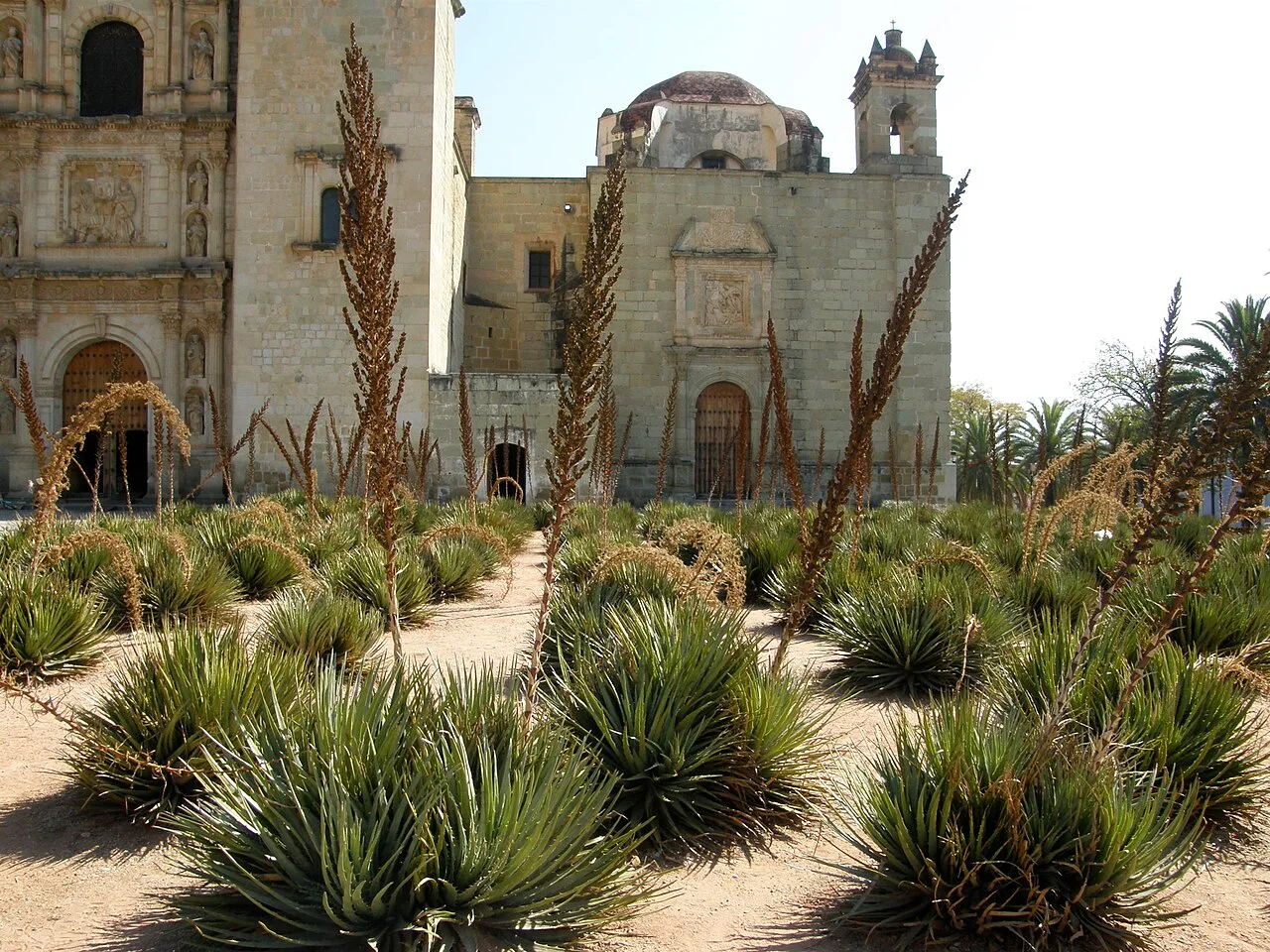
The photograph shows Santo Domingo church as a recognisable reference within the centre. It is an image of the place, not proof that an open altar, performance or comparsa will be there on your particular date. Check conditions for any interior you want to visit and respect religious activities. A facade visible from the street does not authorise entry to every space within a complex.
When encountering a public offering, read its explanation and identify whom it commemorates. If an altar belongs to a home, business or family, ask before entering or taking close photographs. The city can introduce conversations about memory and culture, but visitors need to accept that not every space is available and not everyone wants to explain an intimate practice to strangers.
Monte Albán: an archaeological visit distinct from the celebration
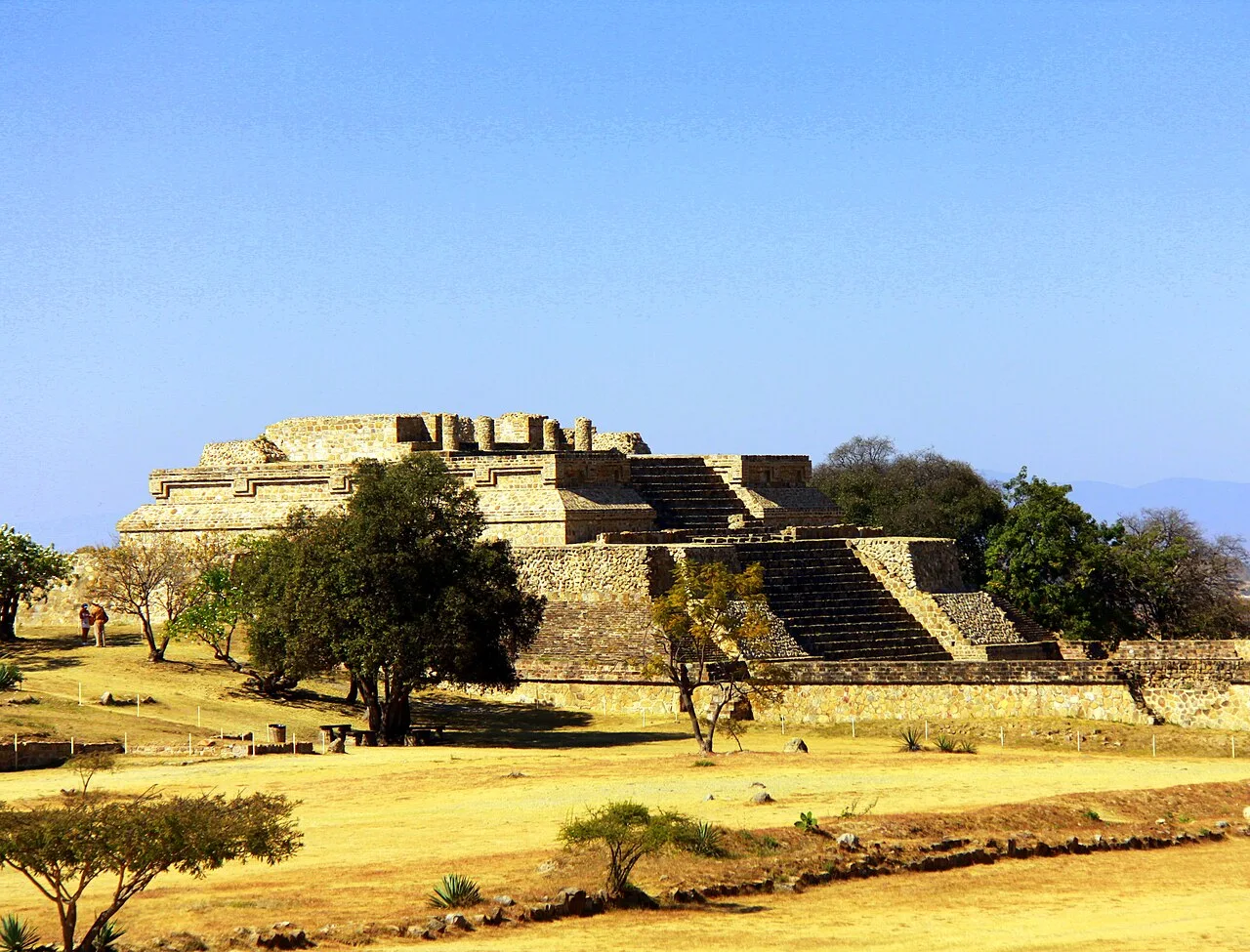
Monte Albán belongs to the same World Heritage property as Oaxaca’s centre. UNESCO’s description highlights terraces, canals, pyramids and mounds shaped into the mountain through a long history of occupation. The relationship between landscape and construction provides a reason to spend time understanding the site’s scale rather than treating it as a brief photographic stop on the way elsewhere.
Plan the archaeological outing as a daytime visit, with admission and operating conditions checked through official channels. This guide does not advertise a Day of the Dead ceremony at Monte Albán or promise night opening. Do not transfer the schedules or images of contemporary cemeteries to the archaeological site: their functions and contexts differ. The photograph shows site structures rather than a temporary festive installation for 2026.
Before travelling, confirm opening, admission, transport and arrangements needed by the group. Prepare water, weather protection and a pace appropriate to routes actually open to visitors. Follow conservation barriers and signage. A visit with heritage interpretation can help situate regional history without presenting present-day communities as unchanged extensions of an image from the distant past.

Offerings and memory do not follow one formula across Oaxaca
UNESCO describes the Indigenous festivity dedicated to the dead through the temporary return of loved ones, preparation of food and use of flowers, candles and other elements. It places the celebration between late October and early November. This framework offers orientation, but does not establish that every family or community observes identical practices or assigns the same dates to each part of them.
When someone explains an offering, listen to its particular story. A food may connect with the person remembered, while an object may carry a meaning invisible in a photograph. Avoid turning the altar into a catalogue of supposedly universal symbols. Asking considerately and accepting that some explanations remain private offers a more thoughtful approach than expecting a complete interpretation of every object encountered.
Verify comparsas, tours and cemetery visits individually
Before reserving an activity advertised for 2026, establish the organiser, full date, location and admission conditions. A post without a year or a photograph from an earlier edition does not prove that the programme repeats. Look for communication from the local authority, venue or actual organisers, and retain its link together with booking confirmation where relevant.
For a community or cemetery excursion, ask who authorises the visit, how group size is managed and what photography rules apply. A supplier cannot independently turn a family space into an available visitor stage. If the answer is unclear or the activity depends on entering without an invitation, choose another proposal. Missing verified calendar information should not be filled with an invented night route or unconfirmed opening hours.
Allow separate time for the city and the landscape
Give the historic centre and Monte Albán separate, generous blocks of time. Although they form one heritage inscription, they are not two rooms in a single museum. Transfers, orientation and group breaks need consideration. This guide does not provide a fixed travel duration or opening timetable that has not been verified for the date of your visit.
If adding a confirmed evening activity, avoid filling the preceding day with commitments that leave no chance to rest. For families or visitors with reduced mobility, ask about surfaces, access and available support at each place. Choosing fewer stops and understanding them properly may offer more than a schedule that requires leaving every explanation early to reach the next reservation. Build the itinerary around the group’s actual pace.
Buy, photograph and participate without intruding
Food offered for sale and food placed on an altar serve different purposes. Purchase from places serving the public and ask about ingredients when needed, but do not remove products from an offering or rearrange them for a picture. The same applies to flowers, candles and personal objects. If someone invites participation, ask how to take part and follow their guidance.
Request permission for portraits, especially during remembrance. Avoid flash, equipment or groups obstructing circulation and respect restrictions imposed by a venue. When buying crafts, ask about their origin and appreciate the work without demanding a free performance for the camera. Travelling during a living tradition means sharing space with the people who sustain it, rather than turning every encounter into material for personal publication.
A route to get you started
- First day: explore a manageable part of the historic centre, using Santo Domingo as a visual reference and checking interior access separately. Observe offerings open to the public or those whose owners invite you, requesting permission before close photography.
- Second day: visit Monte Albán after confirming opening and transport. Allow time for the landscape and heritage explanation. Add an evening Day of the Dead activity only when its organiser, venue and 2026 date have been established.
Good to know
Does this guide confirm Oaxaca comparsas for 2026?
No. Verified sources support the heritage description and cultural context, rather than a complete calendar of comparsas or cemetery events. Confirm each activity with its organiser before booking travel around it.
Is Monte Albán recommended for Day of the Dead ceremonies?
It is recommended here as a daytime archaeological visit, without claiming a ceremony or night opening. Its heritage structures should not be confused with contemporary cemeteries and community practices.
Can visitors enter any home or cemetery to see an offering?
No. Respect the place’s conditions and the invitation of those responsible. Visible decoration does not authorise entry or photography, and offerings can form part of private family moments rather than public activities.
A Day of the Dead trip to Oaxaca can combine heritage, landscape and learning without inventing a ceremonial calendar. The historic centre and Monte Albán provide a concrete cultural foundation. Verify 2026 activities, ask permission and allow communities to determine how they wish to share their celebration.