

Córdoba does not require an endless checklist to provide a substantial first visit. The Mosque–Cathedral, Roman Bridge and Alcázar of the Christian Monarchs connect religious architecture, the river and political power without scattering your route across the province. This proposal distributes three places over two days and treats the streets between them as part of the experience, rather than empty distance to be covered between admissions.
The UNESCO-listed area extends well beyond one isolated building: it encompasses the surroundings of the Mosque–Cathedral, the Alcázar and the Guadalquivir sector containing the bridge. That wider framework explains why the connections matter. Two days is our recommendation for visitors who want to look carefully, rather than an official minimum. Adjust the order to confirmed admission arrangements and to the time you personally want to spend inside the monuments.
Before you pack
- Route
- 2 days · three places
- Country
- Spain
- Focus
- A first visit at your own pace
Mosque–Cathedral: take time to recognise the building’s layers
The Mosque–Cathedral is a starting point for understanding Córdoba’s distinctive character. UNESCO connects its history with the development of the Islamic city and its later conversion into a cathedral during the thirteenth century. The cathedral chapter also emphasises its status as both a place of worship and a monument. During the visit, remember that the spaces do not belong to a single frozen moment: their uses and meanings have changed over a long period.
The most useful preparation is to decide which type of visit you want before arriving. The official website brings together admission, opening and service information and presents products that should not automatically be assumed to belong to the same ticket. Distinguish general monument access from a night experience, tower visit or activity advertised alongside it. Check the exact product name, meeting point and change conditions before paying, rather than relying on an abbreviated sales description.
Inside, alternate an overall impression with close observation. You can begin by following the rhythms of the space and then concentrate on a particular part, instead of photographing every feature without understanding how it relates to its setting. Interpretation provided by the monument helps place those observations in context. Follow any rules for a particular area even if an old social-media photograph shows somebody doing something different. An image is not evidence of current permission.
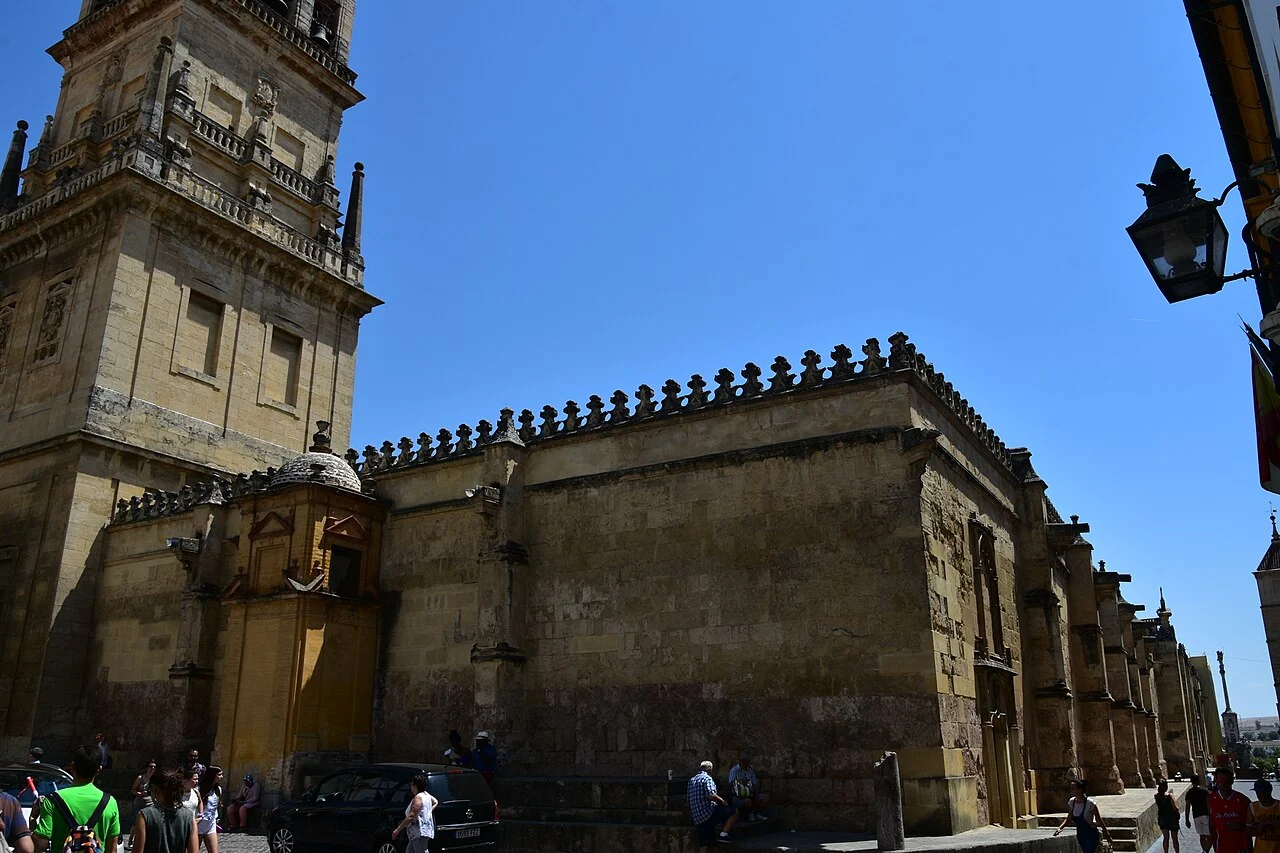
Give this your main block of attention and leave flexible time afterwards. A fixed commitment elsewhere can turn a long-anticipated visit into a race towards the exit. This guide’s exterior photograph helps identify the complex but does not represent all its interior spaces. Tourist admission must coexist with conservation and worship, so the operator remains the authority on the visit available for your chosen date. A booking should follow that information rather than replace checking it.

Roman Bridge: cross the river to understand the urban setting
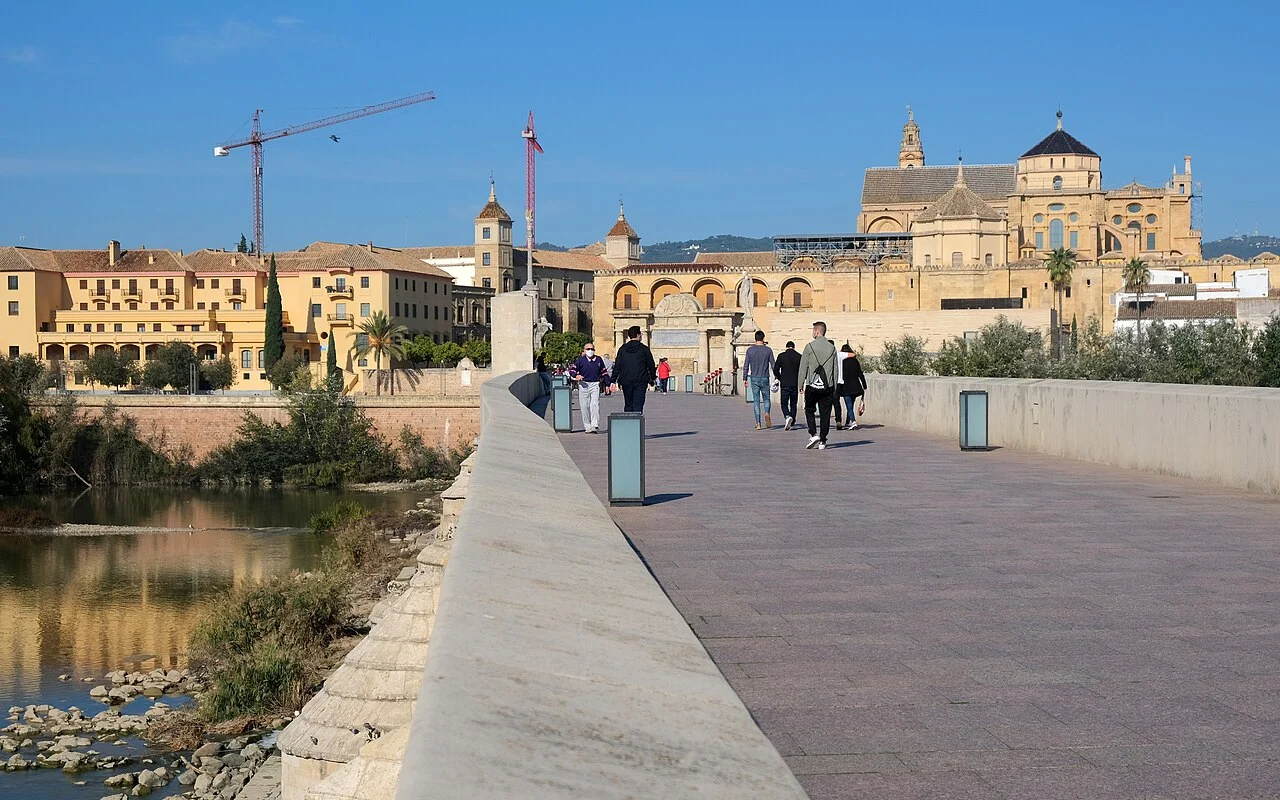
The Roman Bridge changes how you see the historic centre. From the riverbank and during the crossing, the Mosque–Cathedral becomes part of the city’s outline rather than simply an interior you have visited. UNESCO includes the bridge and the Calahorra sector within the historic centre’s heritage area. You do not need to add another paid admission on the opposite bank to appreciate that relationship between the two sides of the Guadalquivir.
Plan a walk with an outward crossing, a pause and a return, instead of treating the bridge as a backdrop photographed from one fixed point. Notice how the perspective changes as you move and which parts of the city become visible. The section’s photograph identifies the crossing over the river. It does not promise matching light, water conditions or visitor numbers on the day of your own trip, and those differences are part of seeing a real place.
Choose your walking period according to available daylight and the temperature you encounter, rather than sacrificing comfort for a photograph. In hot conditions, an exposed stretch can feel more demanding than a narrow street within the old town. If you go towards the end of the afternoon, consider the return as well and keep a clear reference for where you intend to finish. Repeatedly crossing the city is not necessary merely to obtain slightly different versions of the same view.
The bridge can connect a day of monuments with an unreserved part of the itinerary, but it remains shared space. Leave room for people to pass, avoid placing photographic equipment where it blocks movement and do not let a group’s pause become an obstacle. Taking your time does not require occupying the entire route. If someone has particular mobility needs, assess the complete journey, including approaches from the accommodation and the return, rather than judging only the central crossing.
Alcázar of the Christian Monarchs: confirm access before planning interiors
The Alcázar adds a complex associated with political power and the defence of the city to this first reading of Córdoba. UNESCO includes it in the protected historic area, and Spain’s tourism authority identifies it among the principal monuments. Approach it with a different question from the one you brought to the Mosque–Cathedral: how do enclosed areas, open spaces and political uses relate here? Expecting an identical experience would miss the point of including both places.
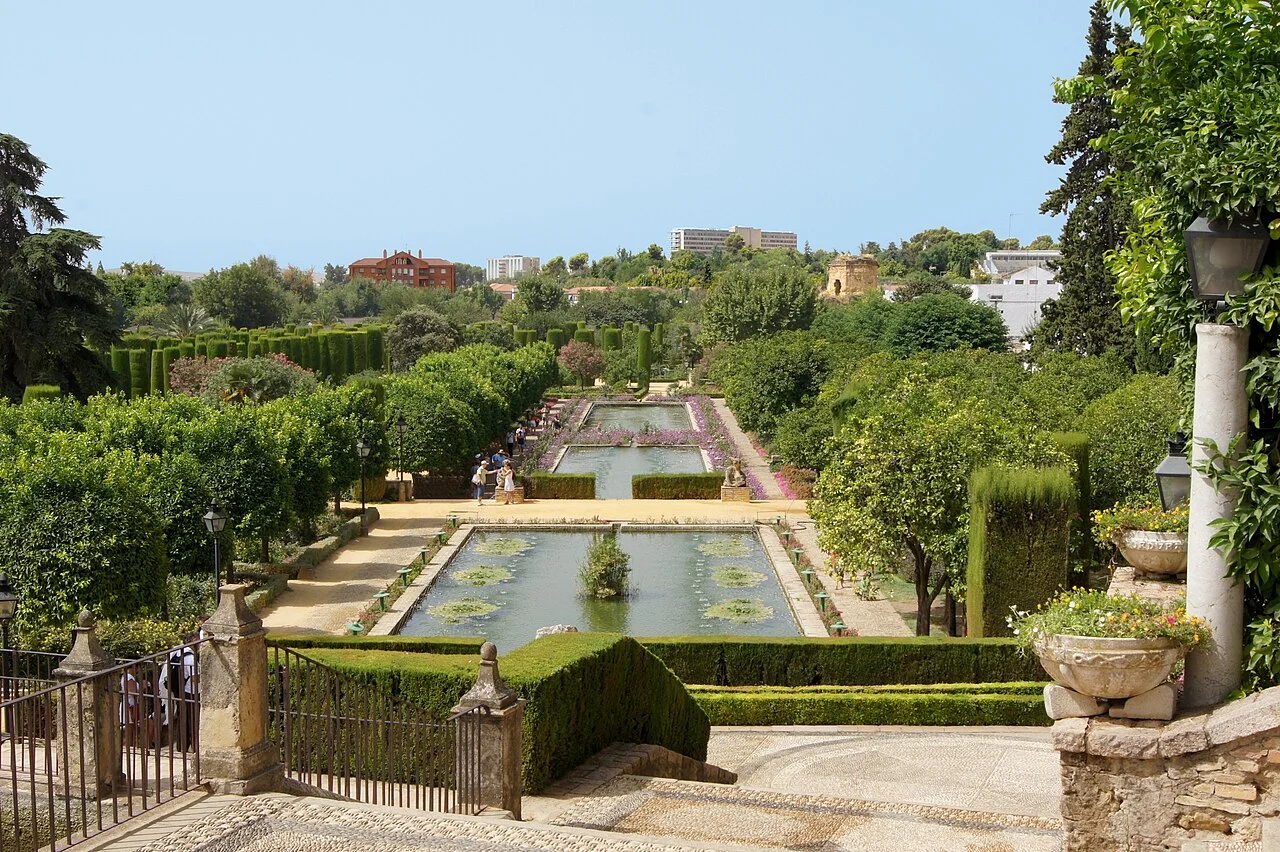
The photograph shows the gardens and helps convey the contrast between vegetation, water and architecture. It documents the actual place rather than certifying the current condition of every area. Before arranging admission, confirm through municipal channels which parts can be visited and whether works, defined routes or separate arrangements apply. We do not provide an inventory of open rooms or guarantee access to everything visible in historical photographs of the complex.
The historic-centre setting lets you place the Alcázar on day two without adding a regional journey. If interior access is unavailable, do not keep trying intermediaries promising different conditions without an authoritative basis. Retain a walk around the surrounding area and redistribute the time intended for admission. Whether a closed or restricted space can be visited is a decision for its management, not something a recommendation list can override. Check before committing to arrangements that depend on entry.
Within the authorised areas, take time over transitions between spaces and over the garden perspectives. Walking around a stretch of water, finding shade or comparing one visual axis with another gives you a way to observe without constantly seeking another room. Consult the monument’s rules before carrying bulky photographic equipment. Travelling with less gear can be more practical than trying to conduct a lengthy shoot along a route that other visitors are also using.

Bookings, breaks and the streets between the monuments
Organise the visit that most strongly determines your timetable first. Once you have a particular Mosque–Cathedral admission, keep the bridge walk flexible and look for Alcázar arrangements compatible with the second day. There is no requirement to concentrate everything into one morning. Save the confirmations and distinguish an activity’s meeting time from the time you need to leave your accommodation. They are different parts of the plan, especially when you are still learning the streets.
Spain’s tourism authority highlights the old town’s streets, squares and courtyards as part of Córdoba’s appeal. Enjoy them as the setting of your route without turning every courtyard into another promised attraction. An open private door does not establish public access. Choose meals according to your budget and preferences rather than a claim that one business is indispensable. A proper pause between interior visits and walking makes it easier to pay attention when you reach the next place.
A route to get you started
- Day one: give the first main block to your confirmed Mosque–Cathedral visit. After a break, use the surrounding streets to recover a sense of the building’s urban scale before approaching the river.
- Day one, flexible section: cross the Roman Bridge and compare views from both banks without fixing another booking immediately afterwards. If the weather or heat is unsuitable, retain this walk for the following day.
- Day two: visit the Alcázar only with current access conditions confirmed, then use the remaining time to return to the part of the historic area that most interested you. Another perspective in different light may be more rewarding than adding a distant excursion.
Good to know
Can I follow this itinerary without hiring a car?
The route concentrates on the historic centre and river, so you can consider walking according to your starting point and mobility. Journeys from transport stations or accommodation need separate planning; they should not all be assumed equally convenient.
Does a Mosque–Cathedral ticket include the tower and every experience?
Do not assume that it does. The operator advertises different products and visit types. Read your booking’s exact scope and check the official website for inclusions, separate purchases and the correct entrance or meeting point.
Are all Alcázar rooms and gardens guaranteed to be open?
No. The guide identifies the monument and supplies a genuine garden photograph, but specific access must be confirmed with municipal management. Works and restrictions can change what is available during your visit.
Why allow two days for just three places?
Because entering is only part of the experience: interpreting the space, walking between riverbanks and taking breaks also matter. You can reorganise the route for a faster pace while still respecting every booking’s conditions.
The combination works because the three places contribute different things. The Mosque–Cathedral explains historical layers, the bridge gives you the landscape of the Guadalquivir, and the Alcázar introduces another relationship between enclosed and open spaces. Two flexible days let you connect those perspectives, keep the necessary reservations and walk through Córdoba without depending on an overloaded agenda.