

Seville combines royal palaces, religious architecture and generous outdoor spaces, but a first visit works better when they are not all squeezed into one morning. This three-day plan gives each day a clear focus: the Royal Alcázar, the Cathedral with the Giralda, and Plaza de España. The first two require checking admission arrangements; the square provides a more flexible opportunity to walk, observe and slow down.
The useful question is not simply what to see, but what to book first and how much breathing room to leave between visits. UNESCO includes the Alcázar and Cathedral in a monument group that also contains the Archivo de Indias. This guide develops the first two and a complementary square, rather than attempting an exhaustive checklist. Suggested durations are planning advice, not official requirements.
Before you pack
- Suggested time
- Three days, adjusted to your pace
- Places in this route
- Three selected places
- Destination
- Seville
Royal Alcázar: read the courtyards, palaces and gardens
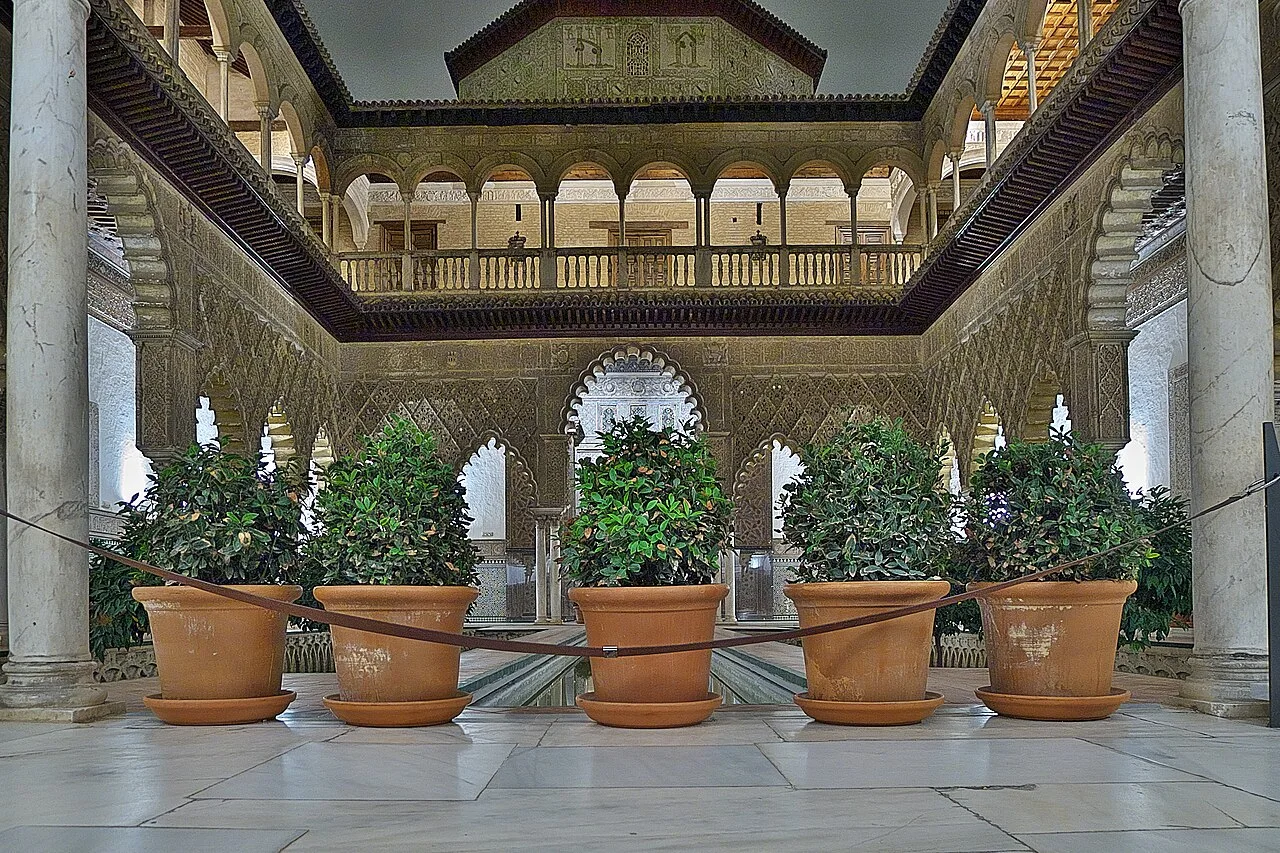
The Alcázar brings together buildings and gardens altered over many centuries. UNESCO highlights surviving Almohad spaces, the palace of Pedro I and later architectural contributions. That mixture explains why rushing through every room towards a single famous photograph misses much of the interest. Look at changes in materials, ceiling decoration and the relationship between courtyards: they belong to the visit rather than merely connecting its highlights.
Start from the official website and check exactly which areas your selected ticket covers. General admission and special visits may have different conditions. If admission is timed, use that appointment to organise the morning. Allow enough time to locate the entrance and complete any checks. Booking breakfast until the last possible moment creates pressure without adding anything to the palace itself.
Give the interiors the first part of your attention and keep enough energy for the gardens. Moving between the two helps reveal the importance of water, planting and shade within the complex. The Alcázar website carries conservation notices and temporary closures; read them before leaving your accommodation. An archive photograph does not prove that a particular room will be accessible during your visit, so avoid building the entire experience around one corner.
With children, try spotting geometric patterns or comparing two courtyards instead of expecting them to follow a long explanation in every room. Visitors with reduced mobility should ask about the exact accessible route, including the gardens. Several hours is a reasonable planning allowance, not an official visit length. Avoid placing another admission immediately afterwards: an unhurried lunch can improve the day more than one additional rushed attraction.
Cathedral and Giralda: two views of the same history
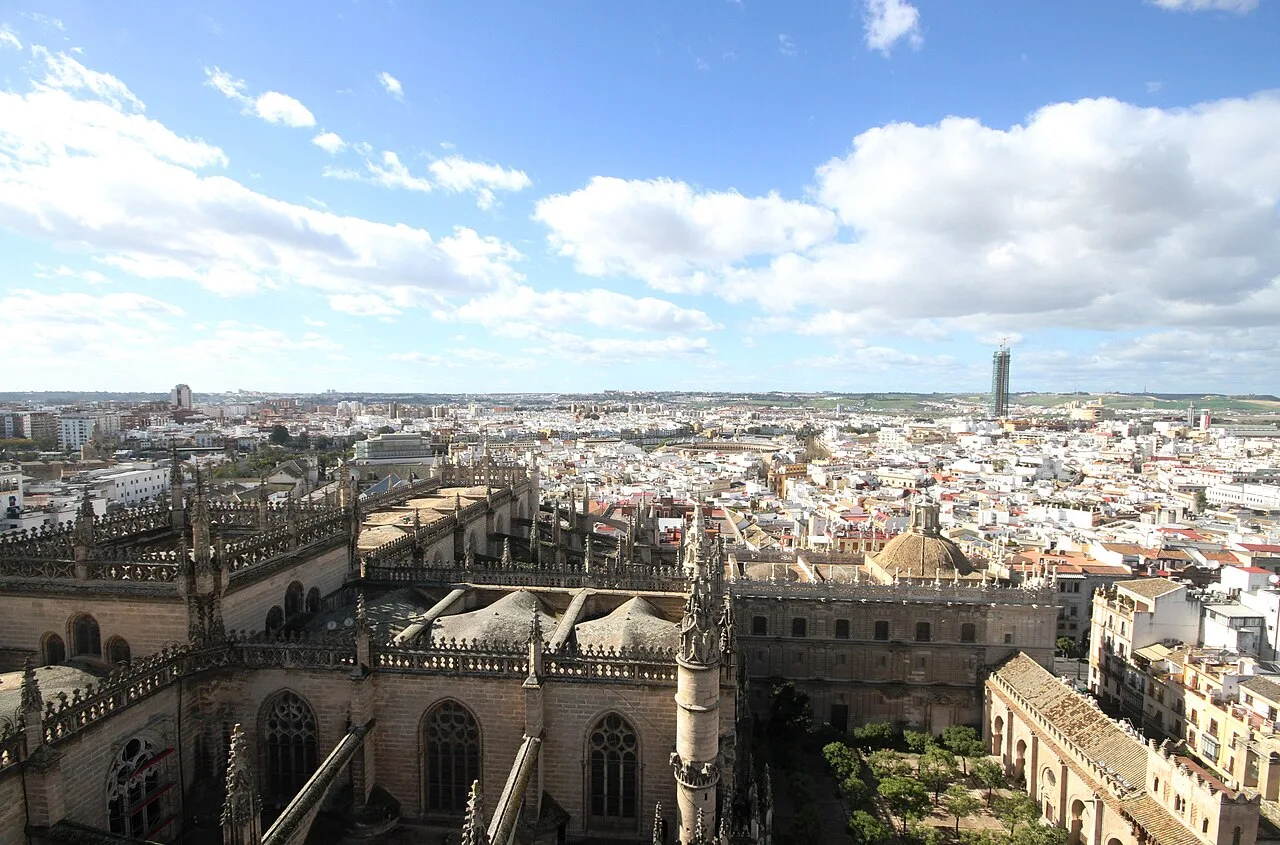
Seville Cathedral makes the city’s changing history visible. The Giralda preserves the former Almohad minaret, while the Gothic church and subsequent additions represent other periods. UNESCO stresses both this continuity and the building’s continuing religious use. Approaching with that context changes the experience: the tower is not an unrelated ornament but a link between the former mosque and today’s cathedral complex.
Check arrangements for cultural visits and any restrictions associated with religious services. Admission for worship is not equivalent to a sightseeing ticket and does not permit every tourist route. Inside, choose a few priorities: the scale of the naves, chapels that are open and the relationship between stone and light. If using an audio guide, choose a manageable sequence instead of treating every recording as compulsory listening.
If you want to climb the Giralda, establish whether it is included in your ticket and whether the physical effort suits your group. The church and exterior remain worthwhile if you decide against the ascent. Agree on a meeting point and waiting time before separating from companions who prefer to stay below. Do not start climbing merely because everybody else has already set off.
Build the day around this main visit and a relaxed meal. The Alcázar and Cathedral are close to one another, but proximity does not make two substantial interiors a light morning. With only two days you can combine them, provided that you leave a generous interval. With three, separating them lets you give each building proper attention and still spend time understanding the exterior setting.

Plaza de España: walk through the architecture
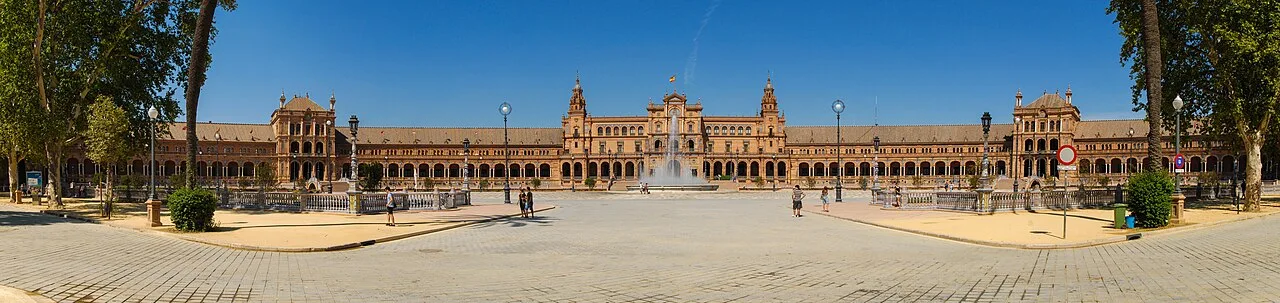
Plaza de España offers a different scale from the enclosed rooms of the historic centre. Spain’s official tourism description connects it with the Ibero-American Exhibition of 1929. Galleries, bridges and ceramic decoration reward a slow walk and changing viewpoints. Begin by taking in the overall arrangement from an open position, then move closer to details that actually interest you rather than copying a fixed photography route.
You can adapt the length of the walk to your available energy. A useful sequence is to explore part of the square, stop beside the decorated benches and look again from another permitted crossing. Appreciating the outdoor architecture does not require buying an activity. If you encounter commercial services, check their terms separately: they are not automatically included in the experience described here.
Choose your timing according to the forecast. On intensely hot days, a lengthy outdoor walk around midday may be uncomfortable; an earlier start or cooler afternoon is usually more sensible. In rain, pay attention to paving and avoid hurrying across wet surfaces. Light changes the appearance of the square considerably, but a particular photograph is not worth sacrificing the rest that makes a full day enjoyable.
This is a useful final-day visit because you can pause and reflect on the city rather than follow another tightly controlled interior route. Keep bridges and entrances clear while taking pictures. If you have a train or flight later, organise luggage storage beforehand: crossing a large open space with suitcases limits the experience far more than deciding to take fewer photographs.

Bookings, accommodation and timing your trip
Check Alcázar and Cathedral availability first, then arrange Plaza de España around those commitments. When comparing accommodation, look at the actual journey to the two monument entrances rather than relying on a historic-centre label. Save confirmations and your return location offline. A short transport journey can be a better choice than adding more walking before an extensive indoor visit.
Spring and autumn are often chosen for a mix of outdoor and indoor sightseeing, but the actual temperature and events on your dates matter more than a generic seasonal recommendation. Check the forecast before finalising the order. Separate admission, accommodation, food and transport in your budget. A sightseeing pass makes sense only if it covers visits you really intend to make under suitable conditions.
A route to get you started
- Day 1: give the main part of the day to the Royal Alcázar, moving between palaces and gardens with pauses. Leave the afternoon free of another inflexible admission. If this is also your arrival day, consider the consequences of a delayed train or flight before buying a timed ticket.
- Day 2: visit the Cathedral under the available admission arrangements and decide beforehand whether to climb the Giralda. After lunch, revisit the exterior or spend time looking through what you noticed inside. You do not need a second major monument for the day to feel complete.
- Day 3: explore Plaza de España in the morning or afternoon, choosing the more comfortable weather window. Look at the galleries and ceramics, take a break, and leave a realistic margin for collecting luggage and reaching your onward transport.
Good to know
Can I visit Seville in two days?
Yes. Combine the Alcázar and Cathedral on one carefully organised day and leave the square for the other. That requires compatible admission arrangements and acceptance of a busier schedule. Three days let you separate the interiors and walk at an easier pace, especially with children or during hot weather.
Which ticket should I book first?
Start with whichever of the two monuments has less availability on your dates, checking both before committing to an itinerary. Do not buy consecutive appointments simply because the buildings are close. Read the inclusions, assigned entrance and change conditions on each official provider’s website.
Do I need to climb the Giralda to enjoy the Cathedral?
No. The church and exterior already communicate much of the complex’s architectural interest. Climbing is an additional choice governed by your ticket, access conditions and physical comfort. Skipping it does not make the visit incomplete, and companions can agree to reunite afterwards.
What should I change if the weather turns?
Move the square walk to the most comfortable period while respecting bookings that cannot be changed. The Alcázar gardens are outdoors too, so a palace admission does not remove all exposure to the weather. Keep an option for a rest break and read current official notices.
Give each part of Seville room to breathe: one day for the palaces, another for the Cathedral, and a third to appreciate Plaza de España without rushing. Well-spaced reservations and attention to the weather turn this focused selection into a varied introduction rather than a race through famous names.