

The Danube provides a useful organising principle for a first Budapest visit. On one side, the Hungarian Parliament defines part of Pest's skyline; on the other, Buda Castle occupies an elevated position that reveals the city at a different scale. This guide builds two days around those landmarks, allowing time to study the exteriors, decide which interiors matter to you and avoid unnecessary journeys back and forth.
It is a focused cultural route rather than a list of everything in the Hungarian capital. Choose it if you would rather understand two major architectural ensembles than schedule a different paid activity every hour. Suggested pacing is our recommendation, while tickets, interior routes and restrictions require checking before travel. The photographs depict real places and specific viewpoints; they do not guarantee evening illumination, an absence of construction or access to every part of a site.
Before you pack
- Suggested time
- Two days, adjusted to your pace
- Places in this route
- Two selected places
- Destination
- Budapest
Hungarian Parliament: distinguish the exterior from a guided visit
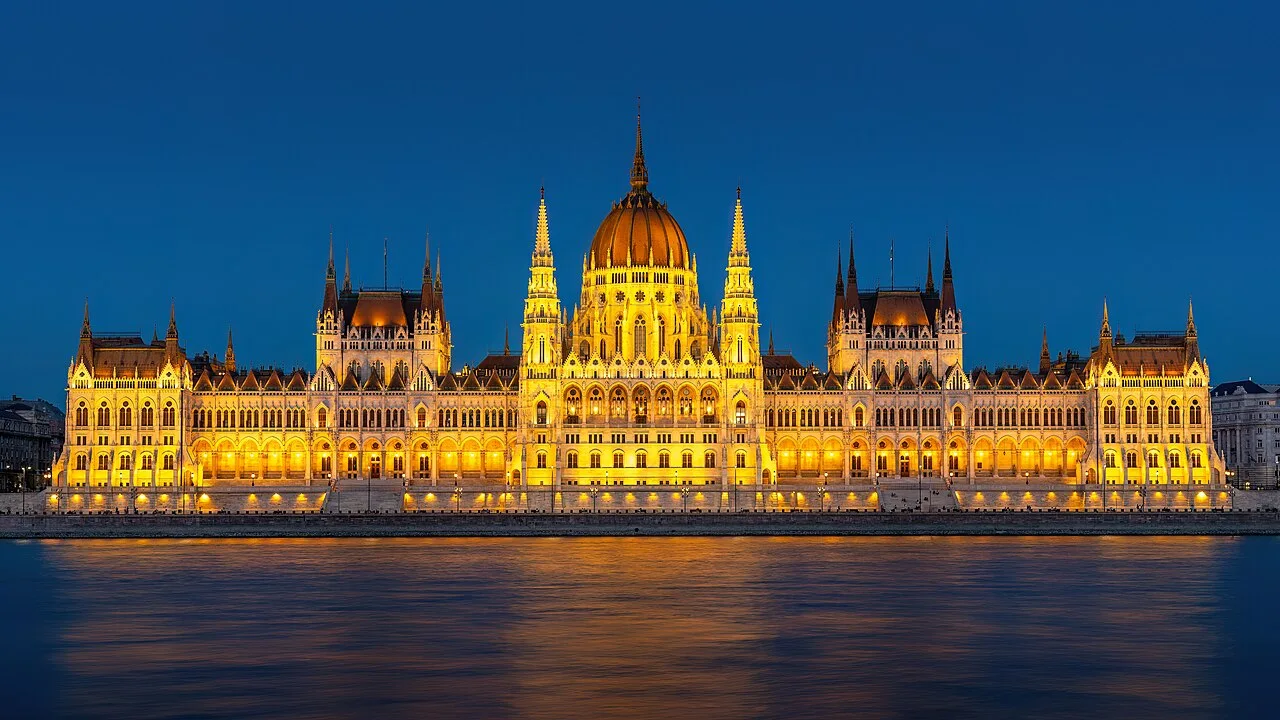
The Parliament stands beside the Danube and forms a central element of the urban landscape recognised by UNESCO. Its Gothic-inspired façade and prominent dome are familiar long before many travellers reach Budapest. Hungary's tourism organisation identifies Imre Steindl as the architect and describes the building's combination of architectural influences. For a visitor, that mixture becomes easier to appreciate by looking first at the complete composition and then at closer decorative details.
There are two different experiences to plan: seeing the building from outside and joining an organised interior visit. Time spent around the façade does not mean you have toured its rooms, and an exterior walk need not depend on securing an interior ticket. If you want to enter, consult official visitor channels, check the available language and read exactly what admission includes. This remains a functioning institutional building, so tourist arrangements can change rather than matching an old review indefinitely.
The national tourism page describes ceremonial rooms, staircases and the Dome Hall, where the Holy Crown and coronation insignia are kept. These provide reasons to consider the interior, but should not be interpreted as a promise that every space is accessible on every date. Book ahead if the tour is a priority and allow time for arrival procedures. Identification requirements, permitted belongings and photography rules should come from the instructions attached to your actual reservation.
For exterior viewing, a close position reveals ornament, while a view from across the river helps you understand the building's overall form. You do not need to pursue both in the same block. Your Buda day may supply the wider relationship if the chosen route and conditions suit. Dividing those perspectives between days avoids crossing the river solely for one photograph and then immediately returning to the side where the rest of your plans are located.
The night-time image is famous, but a photograph does not establish a permanent illumination schedule or guarantee a clear view. Check local conditions and use a permitted place to stop. Budget travellers can make the exterior architecture the focus; those interested in parliamentary and ceremonial history may find the interior especially worthwhile. Neither choice is mandatory. What matters is knowing which experience you want and not confusing the price of a bundled excursion with the price of entry alone.
Buda Castle: explore an ensemble, not a single isolated object
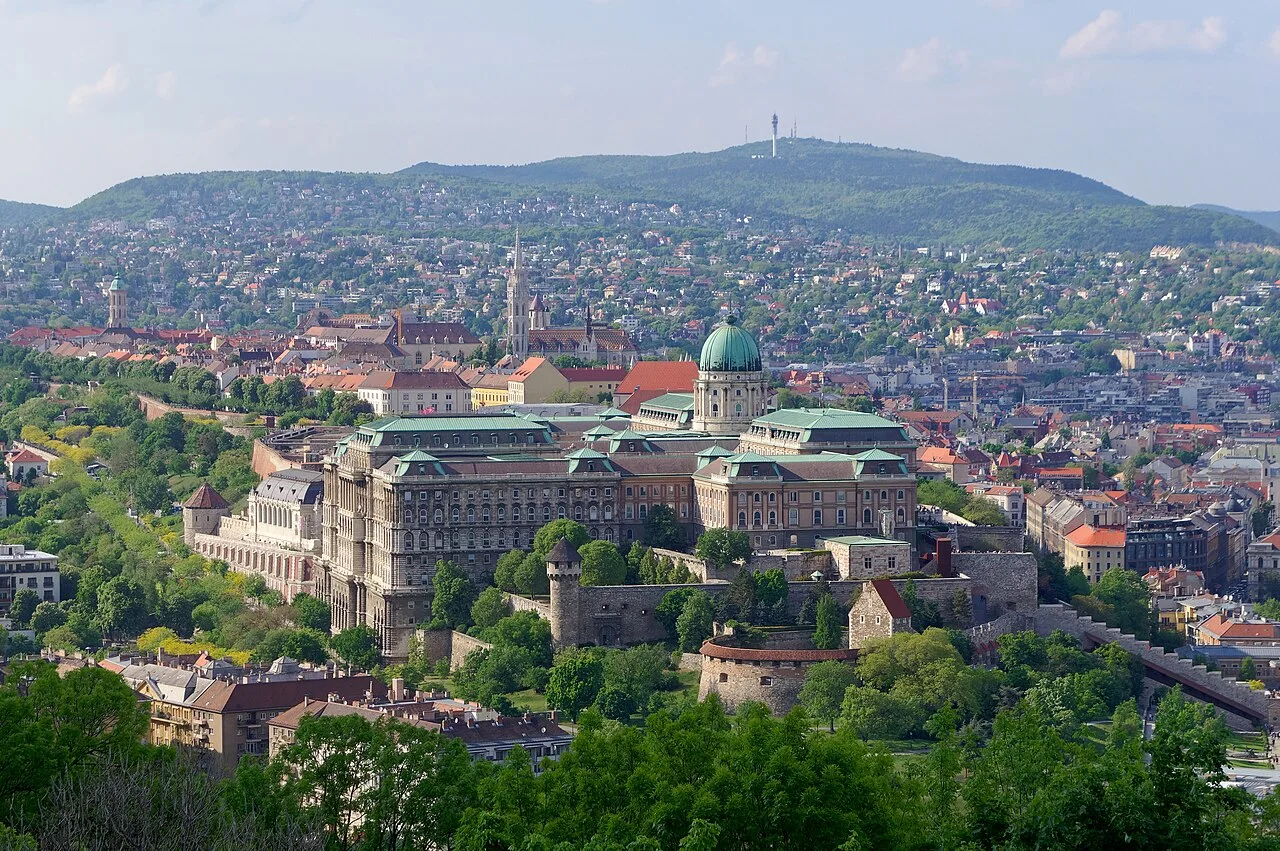
Buda Castle makes sense within a larger hillside landscape. UNESCO distinguishes Buda's elevated position on the Danube's right bank from Pest's flatter terrain on the left. That geographic contrast explains much of the walking experience: slopes and broad prospects on one side, a more extensive urban pattern on the other. Looking at the castle in relation to the hill and river moves the visit beyond the expectation of one isolated building with a simple entrance.
For this first-visit route, focus on the exterior ensemble and its position in the city. The label Buda Castle should not suggest that one ticket automatically opens every building, courtyard, exhibition and route in the wider district. If a particular interior interests you, identify its operator and admission requirements. This itinerary does not assume access to collections or organised visits that you have not chosen and checked separately.
Plan the ascent before setting out. A route that looks short from the riverbank may involve a noticeable gradient, steps or diversions. Decide between walking and available transport according to mobility, weather and the group's energy. Check which services operate on your date and where they actually leave passengers. Arriving exhausted can turn an area intended for unhurried exploration into a series of necessary rests, especially when you still need to manage the return journey.
Once there, give attention to scale, materials and the relationships between courtyards, façades and views. UNESCO's account explains the area's destruction and reconstruction, including interventions following the Second World War. It would therefore be misleading to describe everything visible as an untouched medieval survival. Rebuilding and later layers are part of the place's story. Understanding that makes the architecture more interesting without requiring you to memorise a long sequence of dates.
Use an updated map and respect closures or diversions on the ground. Heritage status does not make every passage public at all hours. Adjust to construction without crossing barriers to recover a remembered viewpoint. In wind or poor visibility, spend less time seeking panoramas and concentrate on accessible nearby spaces. With children, locate the river first and then identify the opposite bank: it turns a large scenic view into a map they can begin to read.

Organise two riverbanks without overloading the budget
The clearest arrangement is a Parliament-focused day and a separate Buda Castle day. Reverse them if an interior reservation makes that more convenient. Avoid buying two inflexible experiences far apart without accounting for the complete journey, entry procedures and meal breaks. If you want only exterior visits, you have greater freedom to use the parts of the day with better visibility rather than organise everything around fixed admission times.
When comparing accommodation, examine connections to both sides of the river and your arrival point. Being apparently close to the castle does not tell you how much climbing is involved, while a room with a Parliament view may be nowhere near its visitor entrance. Save precise addresses and check public transport through its official channels. Fare validity depends on the product, so do not assume every sightseeing pass includes all journeys or entrances you might need.
Build the budget in Hungarian forints and understand payment and currency-conversion terms. Separate essentials such as accommodation, food and transport from optional interior visits, boats or packaged excursions. If a seller bundles several experiences, compare their exact content with your interests rather than treating the package as necessary. This route does not require a cruise: the river acts as a geographic and visual thread without automatically becoming a paid activity.
A route to get you started
- Day 1: make the Parliament your main visit. If you have booked the interior, arrange the exterior walk around your admission time and leave room for the specified arrival requirements. Afterwards, take a proper break instead of crossing immediately to Buda simply to complete a second camera angle.
- Day 2: reach the Buda Castle area by an approach suitable for everyone in your group. Explore the exterior ensemble, look at its relationship with the Danube and add an interior only if you have checked the appropriate ticket and availability. Finish with enough time for a relaxed return.
Good to know
Is an interior Parliament visit worthwhile?
It depends on your interests. The exterior reveals the building's role in the Danube landscape, while an interior visit adds rooms and institutional context. If those matter to you, use official visitor channels and confirm language, conditions and included spaces for your chosen date.
Does one ticket cover the entire Buda Castle area?
Do not treat the ensemble as an attraction with universal admission. Different interiors and activities can have separate operators and tickets. This guide centres on the outdoor architectural setting; any museum, exhibition or additional organised visit should be checked and budgeted independently.
Can I visit both places entirely on foot?
That depends on your starting point, the route and your comfort with walking. Buda adds changes in elevation that a flat map can disguise. Calculate the whole journey and consider transport for part of it if you have children, luggage or mobility requirements.
Is two days enough time for Budapest?
Two days allows a meaningful version of this focused route, rather than an exhaustive visit to the city. Add time if you want a larger programme of museums, baths or excursions. Keeping some unallocated space also helps you respond to weather and the admission slots available.
The Parliament and Buda Castle offer a coherent introduction to Budapest through its two riverbanks. Decide which interiors deserve your time, prepare for the hillside and leave space to observe the landscape connecting the places. That produces a first visit with substance and manageable pacing, rather than a collection of reservations that are difficult to fit together.