

Prague makes more sense when you follow the route from the castle hill to the Vltava River and into the Old Town. This first visit guide focuses on three places: Prague Castle, Charles Bridge and Old Town Square. Two days give you room to walk between them, take breaks and choose the interiors that interest you, instead of collecting bookings for every tower on the map.
The route suits an October city break, although it also works at other times of year when adjusted for daylight and opening arrangements. Its purpose is to help you decide where to spend time and money. You do not need to purchase an activity at every stop. The photographs document the actual places; they are archive images rather than a forecast of the weather or crowd levels during your trip.
Before you pack
- Suggested time
- Two days, adjusted to your pace
- Places in this route
- Three selected places
- Destination
- Prague
Prague Castle: choose your route before climbing the hill
Prague Castle is a complex of palaces, courtyards and religious buildings, rather than a single castle with one principal room to visit. The castle administration dates its likely foundation to around 880 and describes a site shaped by different architectural periods. St Vitus Cathedral belongs to this wider complex and provides a useful visual landmark as you move through it. Understanding the scale helps you avoid treating an exterior photograph as a substitute for the whole visit.
Look at the official map before leaving your accommodation and decide which interiors matter to you. Allow separate time for reaching the site, entering the grounds and following the circuit covered by your ticket. Security procedures, ceremonies and individual building closures can affect the order of a visit. The official website publishes specific notices, so check it even after purchasing admission. The opening hours of the wider complex do not necessarily describe every building inside it.
For a first trip, our suggestion is to give the castle a morning and leave the descent towards the river free of an immediate second appointment. Shoes with a secure grip are helpful on slopes and uneven surfaces. Carry a small bag: the administration asks visitors not to bring large luggage. If you need an accessible route, investigate the particular entrances and buildings you intend to use rather than assuming the entire monumental complex has identical access conditions.
Pay attention to changes in materials and scale between the courtyards. You do not have to remember every ruler to appreciate a place that has evolved over centuries. Choose a handful of details to examine closely and leave enough energy for the rest of your day.
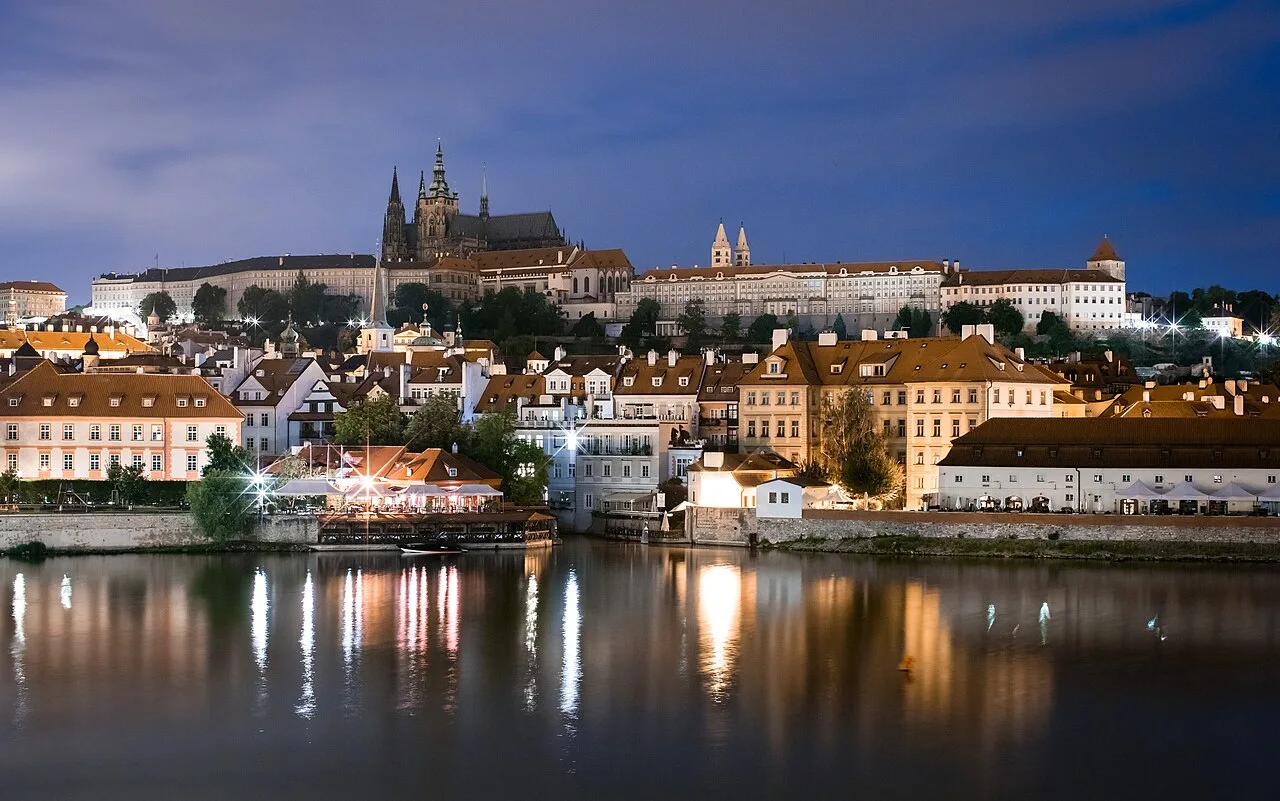
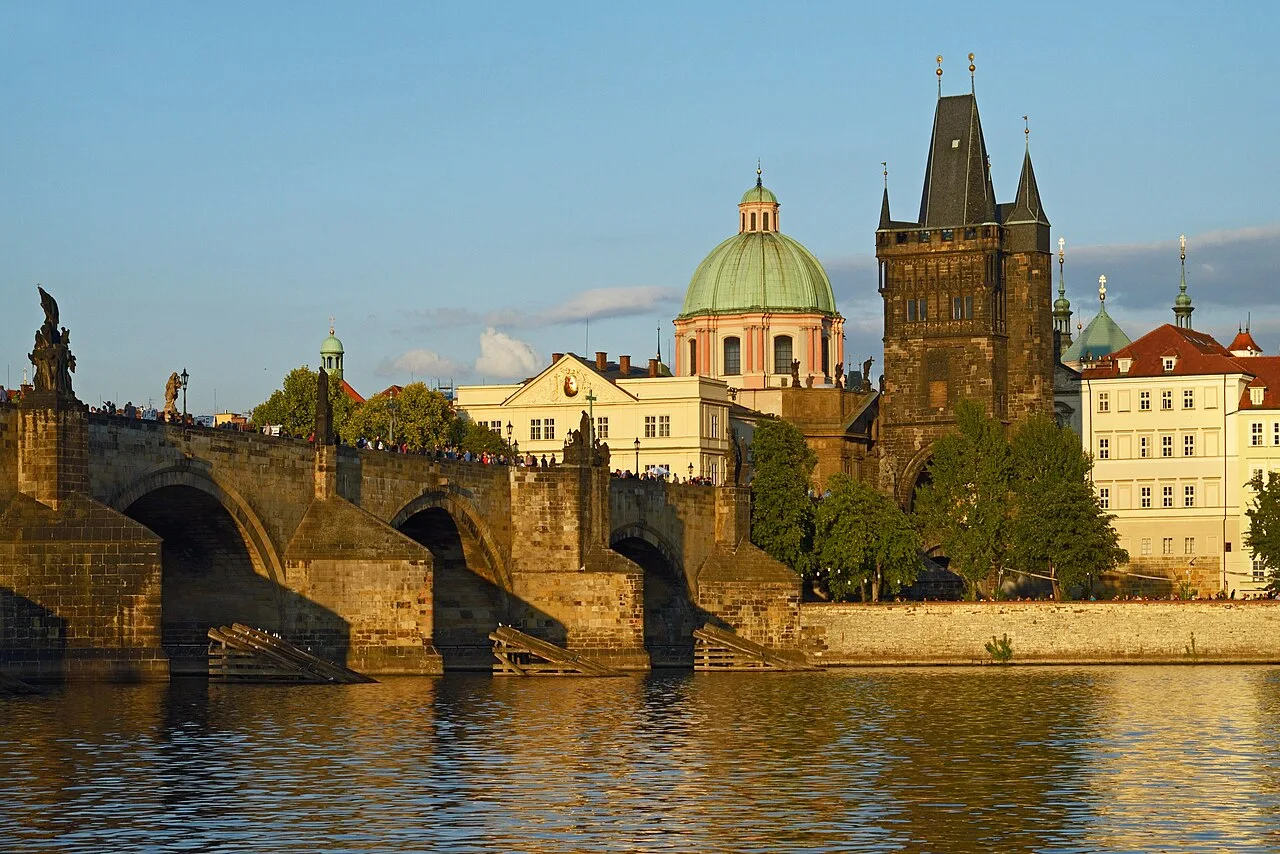
Charles Bridge: make the river crossing part of the visit
Charles Bridge links the castle side of Prague with the Old Town and gives the river a central role in your itinerary. Prague City Tourism records that construction began in 1357 under Charles IV and was completed in 1402. The sculptures associated with the bridge arrived later. This distinction matters: the scene combines work from different periods rather than preserving one unchanged medieval moment.
Give your first crossing a simple purpose: look at the towers, the water and the city skyline. Start at one end and move steadily, stepping aside when you want to stop. For photographs, choose a position where you can pause without obstructing other pedestrians. An early visit can be a practical attempt to find a calmer atmosphere, but no time slot guarantees an empty bridge at such a well known landmark.
In this itinerary, the bridge is an outdoor walk. Climbing a tower or visiting a nearby museum would be a separate activity, with its own admission arrangements and time requirement. Neither is essential to appreciating the crossing. Keeping this distinction in mind protects your budget and stops a flexible walk from becoming a chain of bookings. In wet weather, pay attention to your footing and put the phone away while moving through crowded sections.
Enjoy the sculptures without climbing onto structures or handling the stonework. The tourism authority documents replacements and restoration histories for several works, so avoid assuming that every statue on display is the original installed centuries ago. The bridge rewards attention to the relationship between art, landscape and everyday movement, as well as providing the familiar view you may want to photograph.

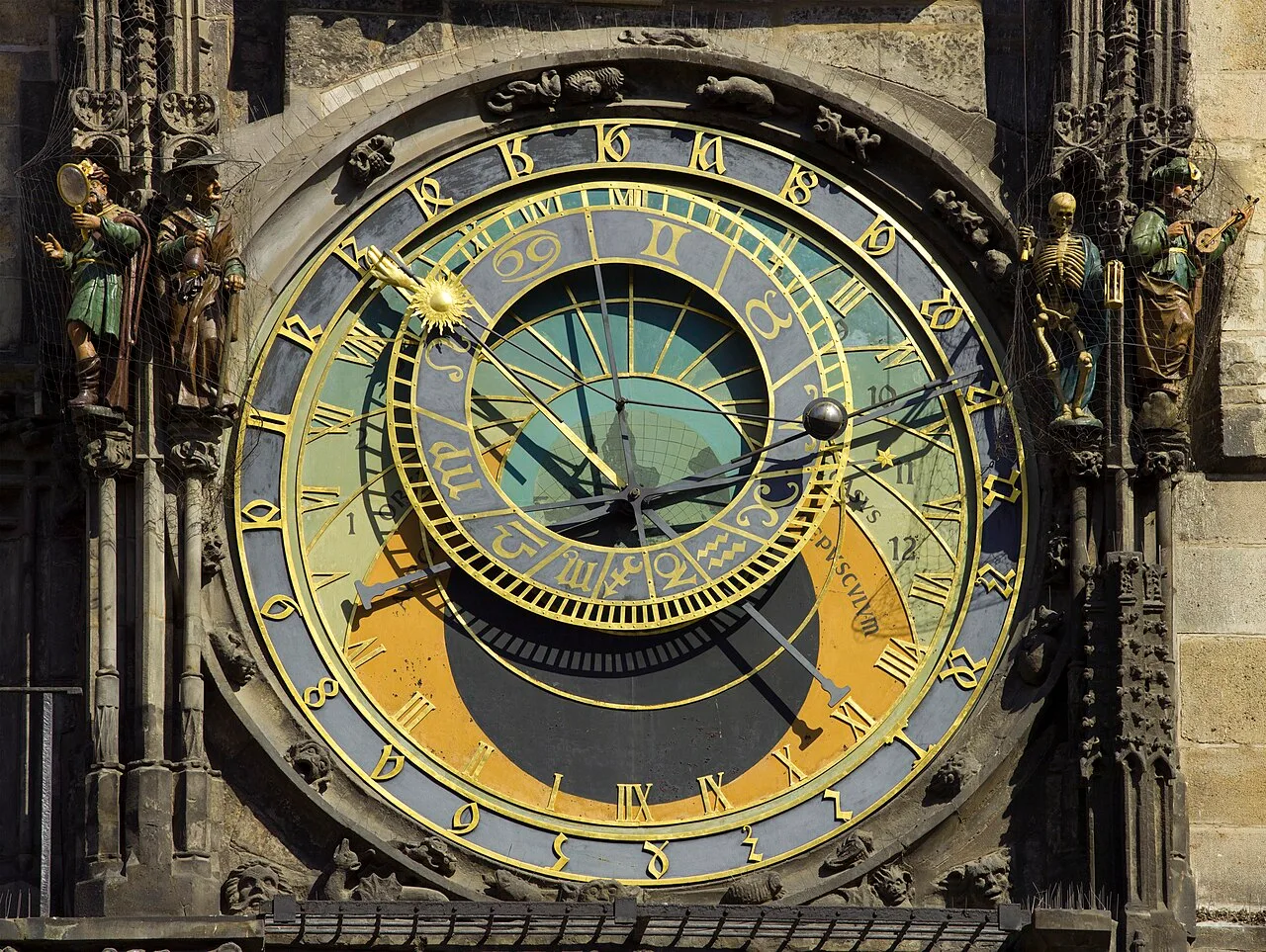
Old Town Square: look beyond the astronomical clock
Old Town Square brings together façades from different periods and makes a satisfying final anchor for the route. UNESCO identifies the Gothic houses with Romanesque cores around the square among the important elements of the historic centre. Rather than following only the crowds waiting in front of the astronomical clock, take time to compare the proportions, arcades and rooflines that shape the larger public space.
The clock is a useful visual reference on the Old Town Hall, but the square deserves attention even when your visit does not coincide with its moving display. Begin from an open position where you can take in the ensemble. Then approach the architectural details that interest you. This prevents a common mistake: spending the whole stop chasing one famous photograph and leaving without looking at the rest of the square.
You can explore the outdoor setting without automatically buying another ticket. If you choose to enter the town hall or climb its tower, check the operator’s current conditions and give that activity its own place in the schedule. It is not automatically included in a castle booking. On a short break, one carefully selected elevated view can be more rewarding than rushing through several similar experiences.
When eating nearby, compare the full menu and final prices before choosing a table. A prominent terrace location does not by itself guarantee a better meal. Also use a quiet moment to identify your route back to the accommodation. The streets can feel deceptively similar after a long day. The square is a helpful landmark, but an offline map is still worth having on your phone.

How to organise two October days in Prague
Arrange outdoor stops around available daylight and indoor visits around their admission times. Days shorten during October, so check sunset for your actual date rather than copying a summer schedule unchanged. A light waterproof layer and clothing you can combine are more adaptable than building the whole trip around a forecast seen several weeks in advance.
Avoid calculating your budget from an old admission price in a review. Add accommodation, local transport, meals and the particular interiors you have selected. A sightseeing pass only makes sense if you will actually use its included activities and if the access conditions suit your schedule. Much of the experience at these three locations comes from walking and observing exterior spaces.
For children or anyone who tires easily, reduce the number of interiors and protect your breaks. A mapping application’s walking distance does not fully represent the castle approach, uneven surfaces or the time needed to cross busy areas. Treat this as a flexible editorial route rather than a promise that every stage can be completed in an exact number of minutes.
A route to get you started
- Day one, morning: visit Prague Castle using the interior circuit you have selected. Arrive with enough time to find your way and check any access changes. Take a break before descending, and avoid a second booking that depends on leaving the castle at an unrealistically precise time.
- Day one, afternoon: cross Charles Bridge towards the Old Town. Use the walk to observe the river and castle skyline. If the weather deteriorates, shorten the photography stops and keep the option of a second crossing on the following day.
- Day two: give the morning to Old Town Square and, if you have chosen it, the town hall interior. Keep the afternoon flexible for another view of the bridge, a rest or a visit displaced by a ceremony or unexpected closure.
Good to know
Are two days enough for Prague?
They are enough for this three place route and a selection of interiors. They are not enough to see the entire city. If your flight arrives late or leaves early, count the usable hours and remove activities rather than squeezing two full days into them.
Do I need a ticket for Charles Bridge?
This route uses the outdoor bridge crossing, not a tower or museum visit. Any interior activity you add needs separate checking and budgeting. Do not buy a package merely because it includes a walk you can organise yourself.
What should I book first?
Choose the castle circuit and any other interior with assigned admission times first. Fit the outdoor walks around those commitments. Read official notices close to departure, especially for religious buildings where ceremonies can change visitor access.
Is October a good time for this itinerary?
It can work well for a cultural break if you adapt to daylight and the actual weather. It does not guarantee empty streets or clear skies. Combining outdoor spaces with selected interiors makes it easier to rearrange the days while retaining all three main stops.
A rewarding two day Prague visit comes from connecting its three major settings: the castle, the river and the Old Town. Select the interiors that matter to you, allow for slopes and check official notices. Each stop then contributes something different, and your itinerary retains the time needed to look rather than simply move on.