

Vienna offers a particularly rewarding combination for a cultural trip: imperial residences, art collections and a historic centre that can be explored in manageable stages. This guide focuses on three visits with different purposes. Schönbrunn introduces courtly life, the Belvedere combines painting with palace architecture, and St Stephen’s Cathedral offers a religious building that remains in active use.
We suggest three days so that you do not have to place two major palace visits back to back. For an October trip, the balance of indoor and outdoor spaces makes it possible to adjust the order around rain and available daylight. This is not a promise of ideal weather, and we avoid quoting admission prices that could become outdated. Decide what kind of experience you want first, then choose the ticket that actually provides it.
Before you pack
- Suggested time
- Three days, adjusted to your pace
- Places in this route
- Three selected places
- Destination
- Vienna
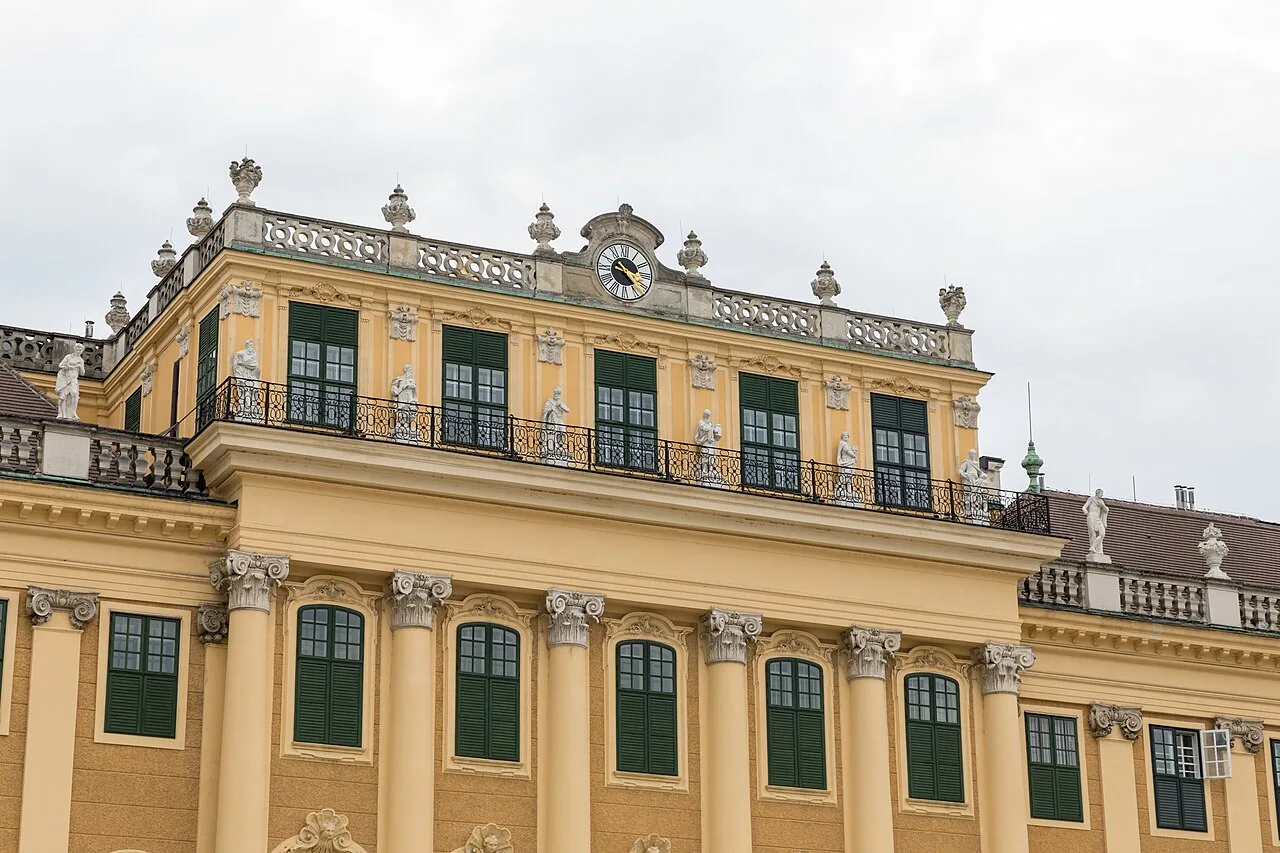
Schönbrunn: understand what your palace ticket includes
Schönbrunn deserves advance planning because the name of the estate appears on very different admission products. The operator distinguishes between apartment routes, guided tours, combined tickets and particular garden areas. A ticket covering selected rooms does not mean unrestricted access to every activity on the grounds. Compare the actual route and suggested duration before concentrating on the photograph used to advertise it.
For a first visit focused on the residence, select the interior route that fits your interest in imperial history. The official presentation separates a fuller tour of the main ceremonial floor from more compact options. If an audio guide matters to you, check the languages included in that particular product. You need not listen to every recording: spend longer in the rooms that interest you and leave time simply to appreciate their proportions and decoration.
Afterwards, the outdoor setting helps explain the relationship between the residence and its gardens. Do not assume that every landscaped area, viewing terrace or additional attraction is covered by the same admission. Check seasonal access for the parts you intend to visit. During October, let the conditions on the day shape your outdoor walk rather than rushing across the estate to reach another entrance just before closing.
The palace website itself warns about counterfeit tickets and identifies its official sales channel. Follow the booking link from the monument’s website and check the date before confirming payment. Save your booking so that you can retrieve it offline. In this itinerary, Schönbrunn is the main cultural activity of the first day; another large interior visit immediately afterwards is not required to make that day worthwhile.
The Belvedere: book the venue that matches your interests
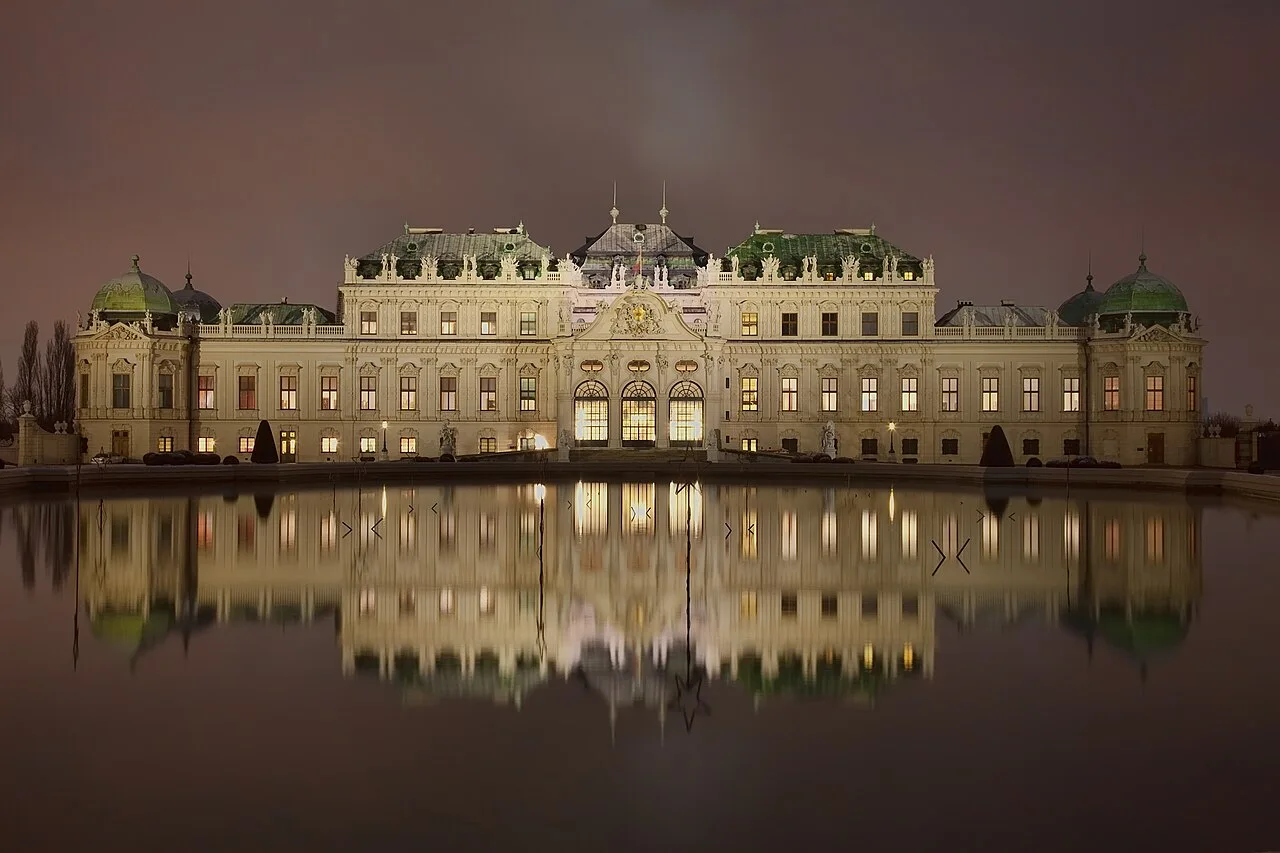
The Belvedere has several venues with different programmes. The Upper Belvedere combines a Baroque palace with a collection spanning centuries of art history. The Lower Belvedere presents exhibitions and other spaces, while Belvedere 21 focuses on contemporary art. The official website identifies them separately. This is the most important distinction when booking: a ticket carrying the Belvedere name does not necessarily mean the building or exhibition you had in mind.
For a first trip with an interest in painting, our recommendation centres on the Upper Belvedere. The museum’s presentation names artists including Klimt and Schiele among its collection highlights. If a particular work is the main reason for your visit, check its current display status before purchasing admission. Loans, conservation and changes to the galleries can affect what you see. A permanent collection does not mean every object is always displayed in the same room.
Allow yourself to examine a few paintings carefully instead of trying to photograph every wall. One useful approach is to choose a gallery, read its context and compare two works before moving on. The palace itself belongs to the experience: notice how rooms influence movement and how views connect interior spaces with the surrounding landscape. Its architecture is more than a backdrop for an arrival photograph.
Check the venue, entrance arrangements, available concessions and any evidence required to claim a reduced price. A discount does not automatically apply because you bought another cultural ticket elsewhere in Vienna. If you have access requirements, read the museum’s inclusion information for the specific building. Leave a buffer before your next commitment; the right duration depends on your interests, not just the length of the suggested route.

St Stephen’s Cathedral: a cultural visit within a working church
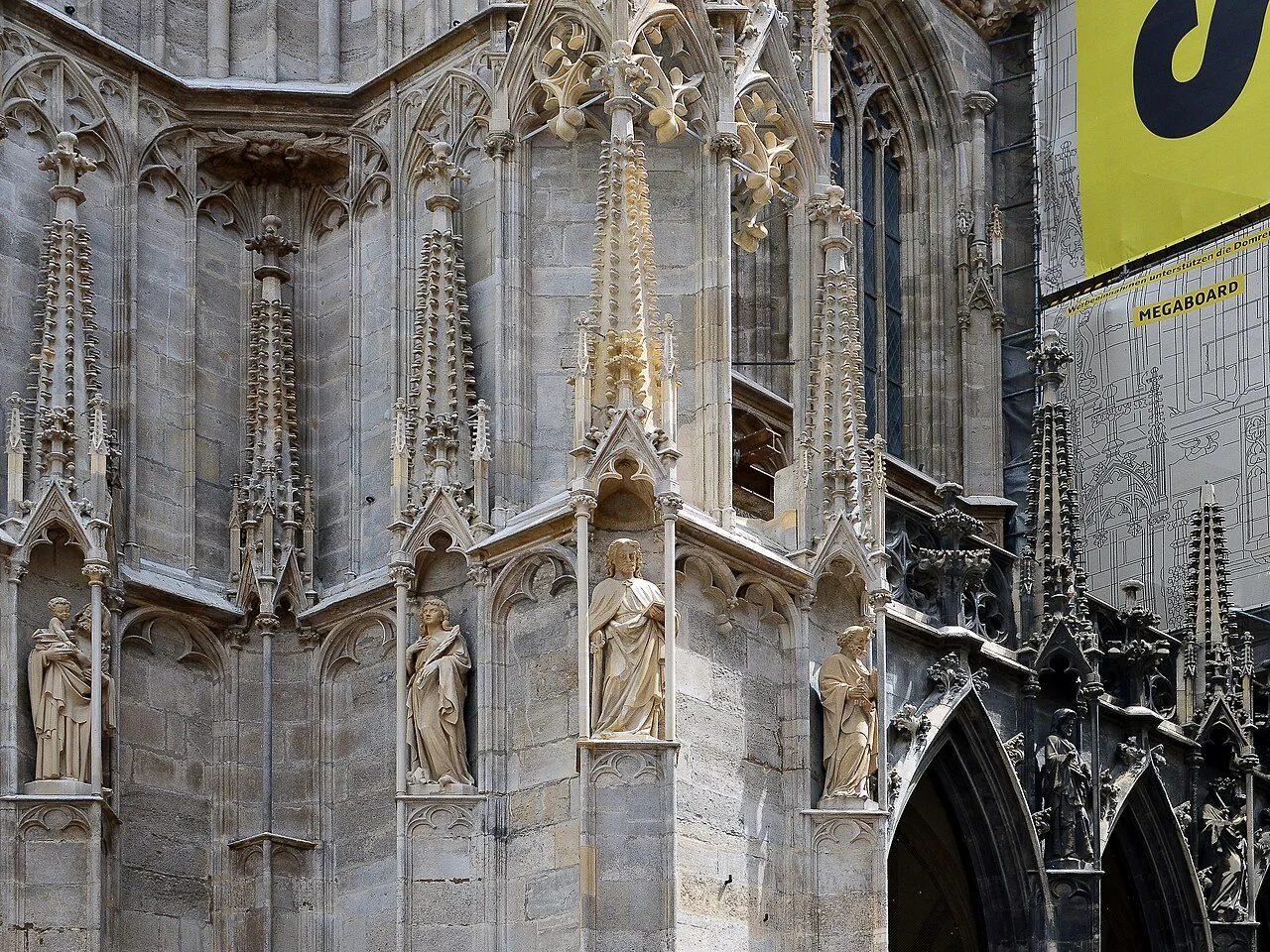
St Stephen’s Cathedral stands on Stephansplatz and remains a place of worship as well as a monument. Its website distinguishes general opening times from sightseeing hours and notes that liturgical events can change access. This prevents a common misunderstanding: an open church door does not mean every tourist visit is available at that moment.
Begin outside, observing the building’s relationship with the surrounding square. Its roof and towers introduce a different architectural experience from the palaces visited on the previous days. Then decide whether you want an interior visit, a guided activity or a tower ascent. The operator offers several possibilities, so check their individual conditions rather than assuming they share one ticket or require the same physical effort.
Inside, remain considerate, particularly during services or private prayer. Respect reserved areas and the current photography instructions. If a religious event limits sightseeing, the practical response is to change the order of your day and return at an appropriate time. Worship is part of the building’s significance, not an inconvenience that staff should remove for visitors.
Anyone travelling with reduced mobility or young children should investigate the particular route before selecting a tower visit. Exploring the nave and making an ascent are not equivalent experiences in effort or accessibility. For this itinerary, the cathedral is the principal stop on day three. That leaves enough room to examine details, take a break and return to your accommodation without another major museum still waiting on the schedule.

Planning Vienna without paying for visits you will not use
Your cultural budget comes from specific choices: which Schönbrunn route, which Belvedere venue and which form of cathedral visit. Write down those decisions before comparing sightseeing passes. A pass can be useful, but a long list of included attractions does not automatically make it good value. Check validity periods, separate reservation requirements and concessions for which you already qualify.
Choose accommodation with the real public transport journey in mind, rather than measuring only straight line distance. These three places do not form one compact walking circuit. Giving each its own day reduces unnecessary movement and makes it easier to rest between interiors. Check the official transport planner close to departure for service changes or engineering work affecting your journeys.
During October, alternate inside and outside according to the day’s forecast. Layers and a light waterproof jacket help you retain the plan with sensible adjustments. No sightseeing pass can repair an overloaded schedule. If one visit interests you deeply, give it more time and remove an optional addition. The suggested durations here are editorial planning advice, not opening hours supplied by the operators.
A route to get you started
- Day one: make Schönbrunn your main activity. Follow the interior route you selected, then explore available outdoor areas according to the weather and your energy. Leave a proper meal break rather than arranging an immediate transfer to another collection; the palace deserves time to make sense.
- Day two: devote a morning or afternoon to the Upper Belvedere. Confirm that your ticket is for the correct venue and review the exhibition information before entering. Leave space to linger with the works you enjoy and to appreciate the palace from outside.
- Day three: visit St Stephen’s around the distinction between worship and sightseeing access. If you selected a tower or guided visit, arrange the day around that appointment. Keep enough time to collect luggage and calculate the final onward journey without pressure.
Good to know
Would Schönbrunn and the Belvedere feel repetitive?
They need not. Schönbrunn can focus on the residence and its historical interiors, while the Upper Belvedere combines palace architecture with an art collection. Separate days and carefully chosen tickets allow each to contribute something different.
Can I fit these three places into two days?
You can reorganise them, but you will need to shorten time in interiors or gardens. Prioritise the main purpose of your trip. Keeping every optional activity while removing only breaks and transport buffers usually makes the programme harder to enjoy.
Can I sightsee whenever the cathedral is open?
The official website distinguishes opening from sightseeing access, with possible changes for liturgical reasons. Check the particular activity you want. An open entrance does not guarantee that a tower, guided visit or designated sightseeing area is currently available.
What should I check before buying a city pass?
Check that the precise venues and admission types you want are included, whether time reservations remain necessary, and how the cost compares with your individual tickets. Include concession eligibility and the documents you must carry in that calculation.
Vienna’s major visits work best when each has a clear purpose. Give Schönbrunn to the imperial residence, the Belvedere to the conversation between painting and palace, and St Stephen’s to religious architecture. Three days with deliberate choices provide a balanced introduction without turning the trip into a collection of tickets and hurried transfers.