
Five places introduce different sides of Milan: the Duomo, Galleria Vittorio Emanuele II, Sforza Castle, Parco Sempione and Pinacoteca di Brera. The selection combines architecture, painting and green space, explaining decisions that distinguish an exterior walk from a ticketed visit. It is not a popularity ranking and does not require completing everything in one day.
Decide what deserves an unhurried look. You might give the cathedral more time, choose one collection or connect the castle with the park. This guide explains what each place contributes, what to check when reserving and how to organise visiting blocks without depending on a fixed two-day itinerary. Official sources were consulted on 5 November 2026; the images are documentary archive photographs.
Before you pack
- Selection
- Five distinct places in and around central Milan
- Reserved art visit
- Brera requires a date and time
- Organisation
- Combine areas and respect opening calendars
1. Milan Duomo: begin with the city’s defining landmark
The Duomo reveals the monumental scale of central Milan before you step inside a museum. Spend time looking at the facade from the square: the pattern of spires, reliefs and details changes with your distance from it. Then decide whether you want to appreciate the exterior, visit the cathedral or book an experience within the complex. You do not need to buy an activity simply because it appears first in a search result.
The Veneranda Fabbrica maintains a calendar of services, visits and notices alongside its ticket channels. Religious and tourist activities coexist, so check your chosen date before arranging the rest of the route. Read each product’s inclusions and access conditions rather than assuming one reservation covers every area. For an interior visit, prepare clothing and luggage according to current venue rules and leave time for entry.
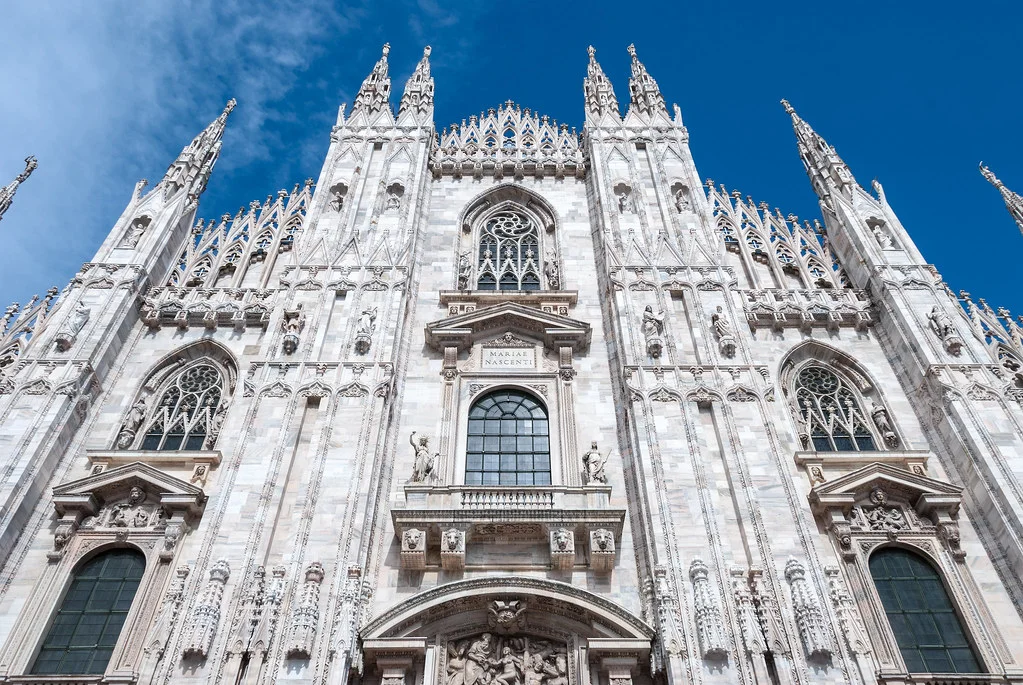
2. Galleria Vittorio Emanuele II: architecture without a shopping obligation
The Galleria connects the Duomo area with the Scala through a covered passage that deserves attention for its architecture. Italia.it describes its cross-shaped layout, iron and glass construction and central space known as the Octagon. Look towards the dome, then return your attention to the floor and interior facades: there is more to this stop than shop windows.
Include it as a connection between areas of the centre and take a break without turning the visit into a shopping day. If you want a meal or drink, check the particular business’s menu, prices and conditions before sitting down; sharing an address in the arcade does not make every offer equivalent. Keep passageways clear and respect the mosaics when taking photographs. Activities on upper levels or in private spaces have separate conditions that cannot be inferred from access to the passage.
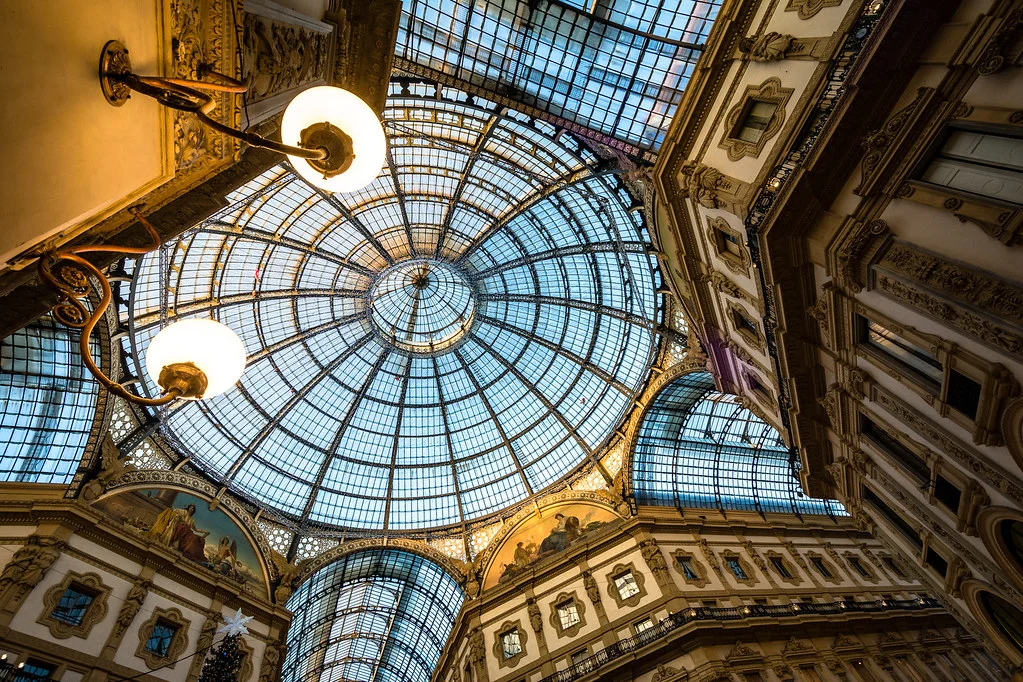
3. Sforza Castle: distinguish courtyards from museum galleries
Sforza Castle changes the setting from the commercial and religious centre to a fortress associated with ducal power. The national tourism entry describes three courtyards and the Civic Museums’ collections, including Michelangelo’s Pietà Rondanini. Looking at towers and walking through an exterior area is different from visiting galleries; decide which experience you want before assigning it a very short slot.
If art is a priority, choose a collection rather than trying to cover every part of the complex. Check currently accessible spaces, tickets and conditions through the castle’s channels. A room’s presence in a historical description does not establish that it is accessible on any chosen date. For an architecture-focused walk, arrange a route connecting the Piazza Castello area with the park, treating a museum visit as a specific choice rather than an automatic extra.
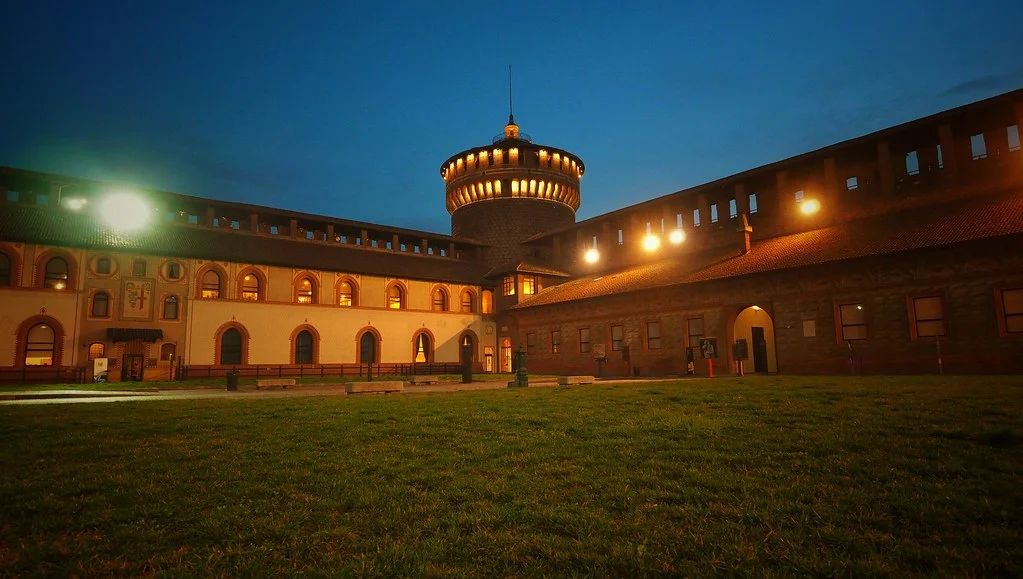
4. Parco Sempione: a green break that belongs in the visit
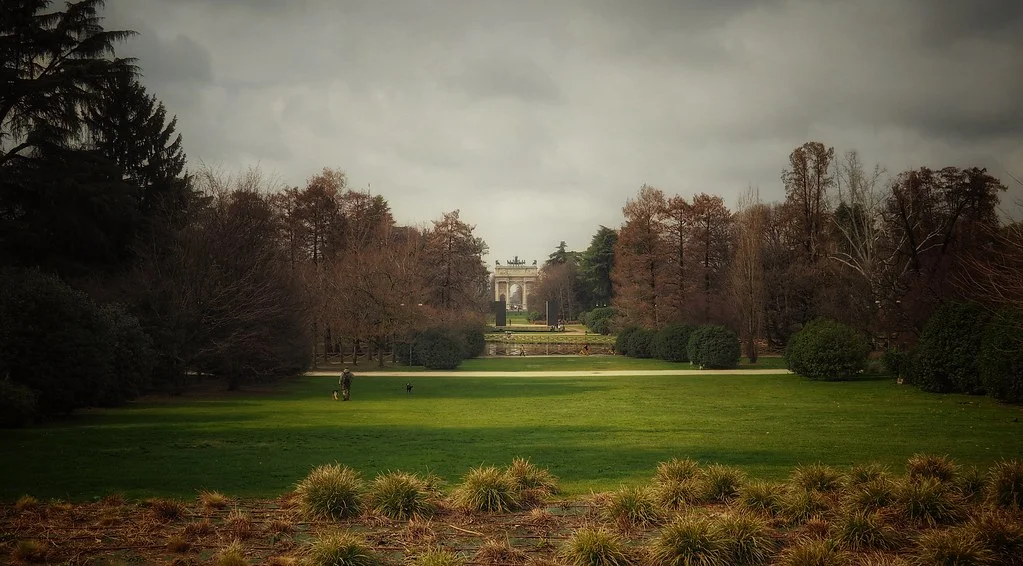
Parco Sempione offers a change of pace between indoor visits and a green space within the city. It connects the castle area visually with the Arco della Pace; Italia.it also identifies the Little Mermaid Bridge. The plan here can be straightforward: choose an entrance, follow the paths and allow time to rest, without pursuing another lengthy checklist of buildings.
Locate the exit you intend to use before starting, particularly if you have a reservation elsewhere afterwards. Institutions around the park do not necessarily share tickets, hours or admission conditions; seeing their exteriors does not require adding them to the programme. Check access notices and adapt the length of the walk to the weather and your group’s needs. The archive photograph shows a park landscape without promising the same foliage colours during your trip.
5. Pinacoteca di Brera: make room for painting
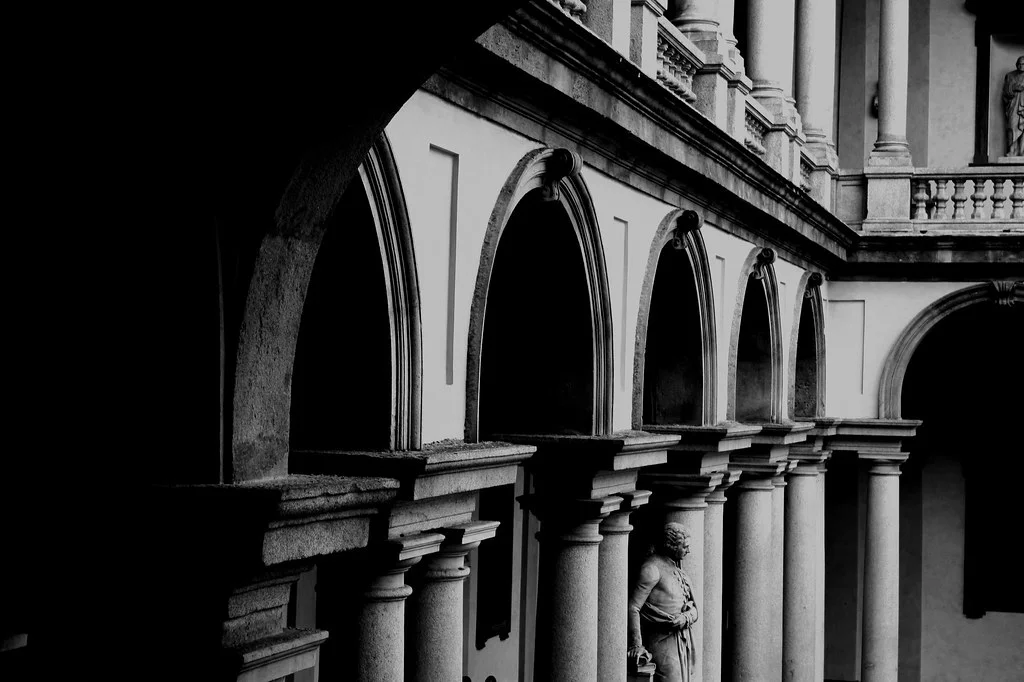
Pinacoteca di Brera is this list’s choice for a deeper art visit in one specific venue. Officially established in 1809, it belongs to the Palazzo Brera complex. The operator distinguishes the picture gallery, Braidense Library and Palazzo Citterio: participating in one cultural project does not make them one room or make their access conditions interchangeable.
The operator requires reservations and lists normal opening from Tuesday to Sunday, 8:30am to 7:15pm, with final admission at 6pm. It closes on Mondays and certain public holidays. The Grande Brera product involves choosing a date and time for the Pinacoteca and has separate conditions for Palazzo Citterio. Read the details when buying, including reservation requirements for free visits. Inside, choose works or galleries that interest you and use the museum’s resources to understand them; time spent looking is more useful than rushing through every room.
Combine the five places without turning sightseeing into a race
Build the route around reservations rather than list numbers. The Duomo and Galleria make a logical central combination; castle and park offer another block. Brera needs its own time allowance and a compatible opening date. If you have only part of a day, choose one block and enjoy it instead of buying admission to two collections you cannot properly visit.
Separate the cost of visits, meals and local journeys. A cultural attraction and a walk through a shopping area do not have equivalent financial conditions. Check the products and entrances you intend to use, especially with a pushchair or reduced mobility. This selection does not offer a universal pass or guarantee identical access throughout the venues. Rome, Venice and Florence guides can help you continue through Italy, with their own travel and accommodation arrangements.
A route to get you started
- Central circuit: appreciate the Duomo and walk through the Galleria. If you book an interior experience, make it the main activity of this block and allow time for entry and a break.
- Castle and park: begin with the kind of castle visit you selected, then continue towards Parco Sempione. Decide beforehand whether you want museum galleries or a route focused on architecture and outdoor space.
- Painting block: reserve Brera on an opening date and leave time for the collection. Combine it with another area only when the transfer and reserved hour fit, without treating all five stops as obligations.
Good to know
Must you enter the Duomo to enjoy the stop?
You can begin by appreciating the facade and its relationship with the square. For an interior visit or a complex experience, check the official product, entry conditions and calendar for your chosen date.
Does the Galleria require shopping?
The passage’s architectural interest does not depend on purchases. Restaurants, shops and particular experiences have their own conditions; check prices and reservations if you intend to use those services.
Can Brera be visited on a Monday?
Its published normal timetable closes on Mondays. Certain public holidays and special activities have separate arrangements; consult the official website and reserve before organising your route.
Is one day enough for all five places?
That depends on the depth of your visits and reservations. Looking at exteriors and walking is different from exploring two collections. Prioritise the blocks that interest you and keep time for transfers and breaks.
Milan rewards choosing experiences rather than accumulating tickets. Treat these five places as a flexible selection: central architecture, castle history, a green walk and painting at Brera. Recheck changing details through official sources and adapt the route to the time you actually want to spend.
Sources consulted
- Veneranda Fabbrica del Duomo: official website —
- Milan Duomo: visits and official channels —
- Italia.it: Galleria Vittorio Emanuele II —
- Italia.it: Sforza Castle —
- Italia.it: Parco Sempione —
- Pinacoteca di Brera: museum and collection —
- Pinacoteca di Brera: admission and reservations —
- Pinacoteca di Brera: hours and access —
To combine this visit with other destinations, see the Italy guide.