

Florence becomes easier to enjoy when its famous sights stop competing for the same slot in your diary. For a first visit over three days, this guide focuses on three places that explain different sides of the city: Santa Maria del Fiore and its dome, the Uffizi Gallery, and Ponte Vecchio. Architecture, painting and the riverfront make a varied route, with space to walk between experiences rather than spending every day chasing timed admissions.
UNESCO recognizes the Historic Centre of Florence for its exceptional artistic and urban heritage. You do not need to enter every building to appreciate that legacy. This itinerary concentrates your attention and budget on three visits, distinguishes ticketed experiences from public spaces, and leaves room for rest. Three days is a suggested pace rather than a compulsory length of stay: adjust the order to official availability, your interests and the energy of everyone travelling.
Before you pack
- Suggested stay
- Three days, adjusted to bookings and your group’s pace
- Route
- Three places in the historic centre
- Planning priority
- Check dome and gallery availability before fixing the order
Florence Duomo: distinguish the cathedral visit from the dome climb
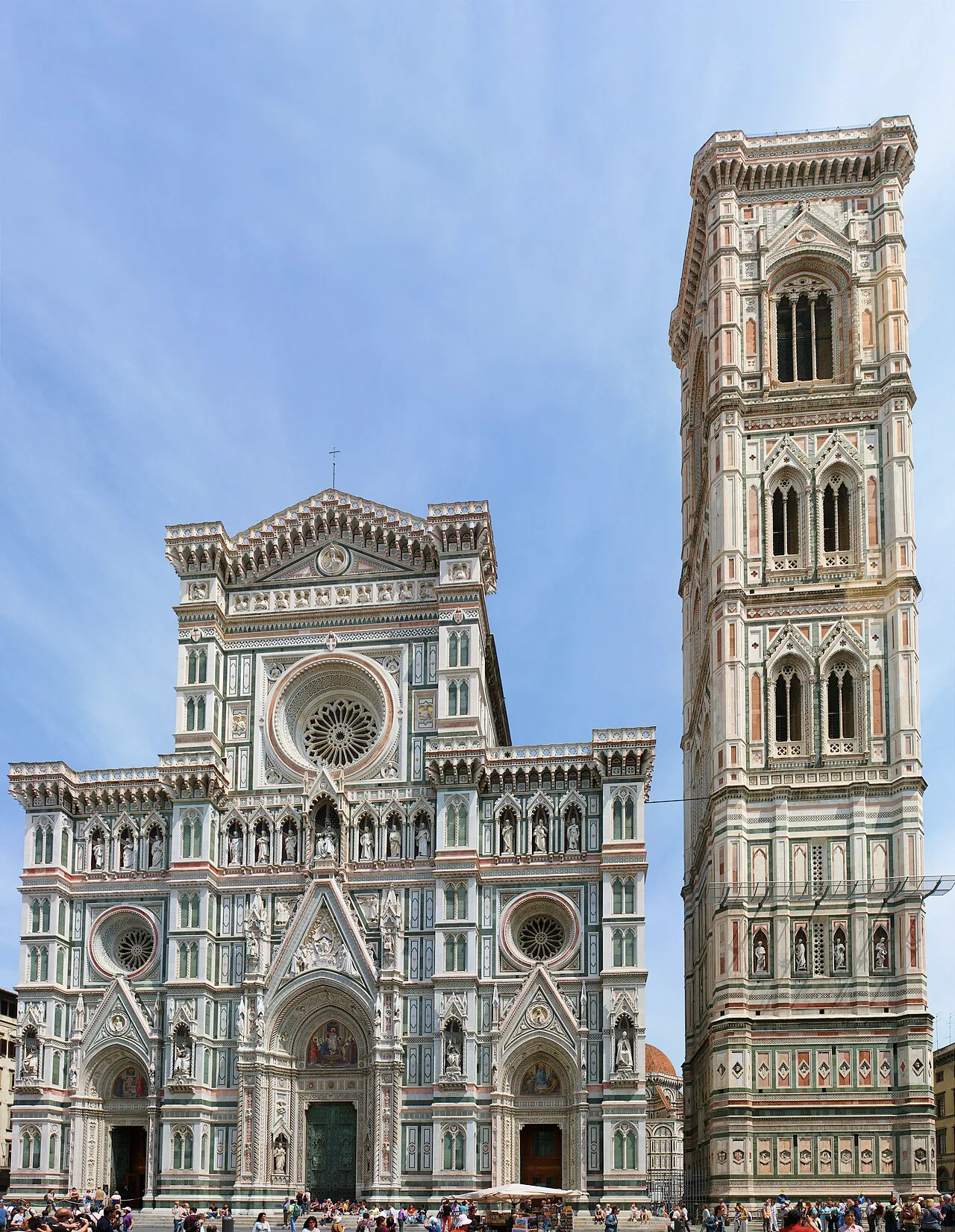
Santa Maria del Fiore provides an immediate introduction to the scale of Florence. Construction began in 1296, and the cathedral was consecrated in 1436, when its enormous dome had already transformed the skyline. Before heading inside, look at the building from more than one position. The relationship between its façade, side walls and dome is easier to understand by moving around the exterior than by taking a single photograph directly in front of the entrance.
Entering the cathedral and climbing the dome are separate experiences. Opera di Santa Maria del Fiore states that cathedral admission is free and does not require a ticket; worship and religious celebrations can affect tourist access. Check the current visiting calendar and entrance instructions before you go. Buying a pass for other parts of the complex does not mean that every queue, entrance or visiting arrangement operates in the same way.
Brunelleschi’s dome requires a reserved time slot. The official description identifies a climb of 463 steps, with no lift, through the space between the structure’s two shells. Choose it because you want to understand the architecture and experience the ascent, rather than because it seems compulsory on a first trip. If stairs or confined spaces do not suit your group, looking closely at the dome from ground level remains a worthwhile way to appreciate it.
Read clothing and baggage rules before leaving your accommodation. The operator requires certain bags to be deposited in its luggage storage before the climb, so arriving with bulky belongings can use up your booking buffer. Respect the cathedral as a place of worship, including any instructions from staff. Leave an unbooked break afterwards: tired legs, security checks and the actual pace of the visit matter more than squeezing in another admission immediately.
Uffizi Gallery: plan an art visit you can actually absorb
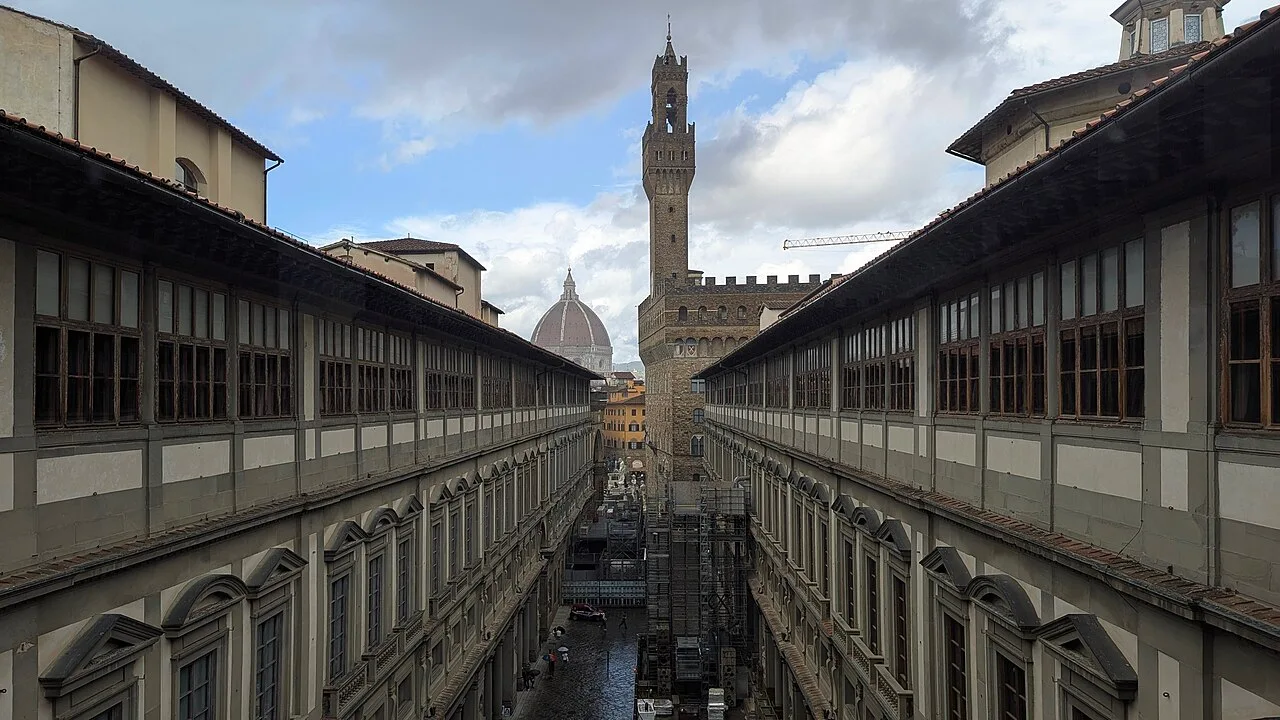
Make the Uffizi a central part of the trip if painting interests you. The gallery occupies the first and second floors of the building designed by Giorgio Vasari and brings together medieval and Renaissance paintings alongside other collections. Its official introduction names Botticelli, Leonardo, Michelangelo and many more artists. It also highlights ancient sculptures and busts from the Medici collection. Looking only for famous paintings can mean overlooking a substantial part of what the museum offers.
Before buying admission, decide how much time and attention you want to give the gallery. For a first visit, choosing a few artists or periods and leaving room for discoveries is more manageable than trying to stop at every work. Consult the visitor map and room information when you arrive. Displays and the availability of individual works can change, so a list saved on your phone is an orientation tool rather than a promise that every painting will be on view.
Build the day around your museum admission, allowing time to reach the entrance indicated on your booking and pass through checks. The Uffizi’s published standard timetable includes Monday closure, with special openings possible; verify your exact date before assigning visits to days. Compare the ticket categories on the official website and read what they include. The Vasari Corridor has separate booking conditions. Seeing its name in a general museum description does not establish that every admission covers that experience.
While inside, alternate concentrated time with paintings and a look at the corridors and sculptures. If you are travelling with other people, agree which artists matter most to each person and where to meet if your viewing speeds differ. Finishing with enough energy to remember what you saw is better than continuing out of obligation. Avoid booking a dome climb immediately afterwards: even a selective gallery visit can take longer than you anticipated.

Ponte Vecchio: cross the bridge, then look back from the riverbank
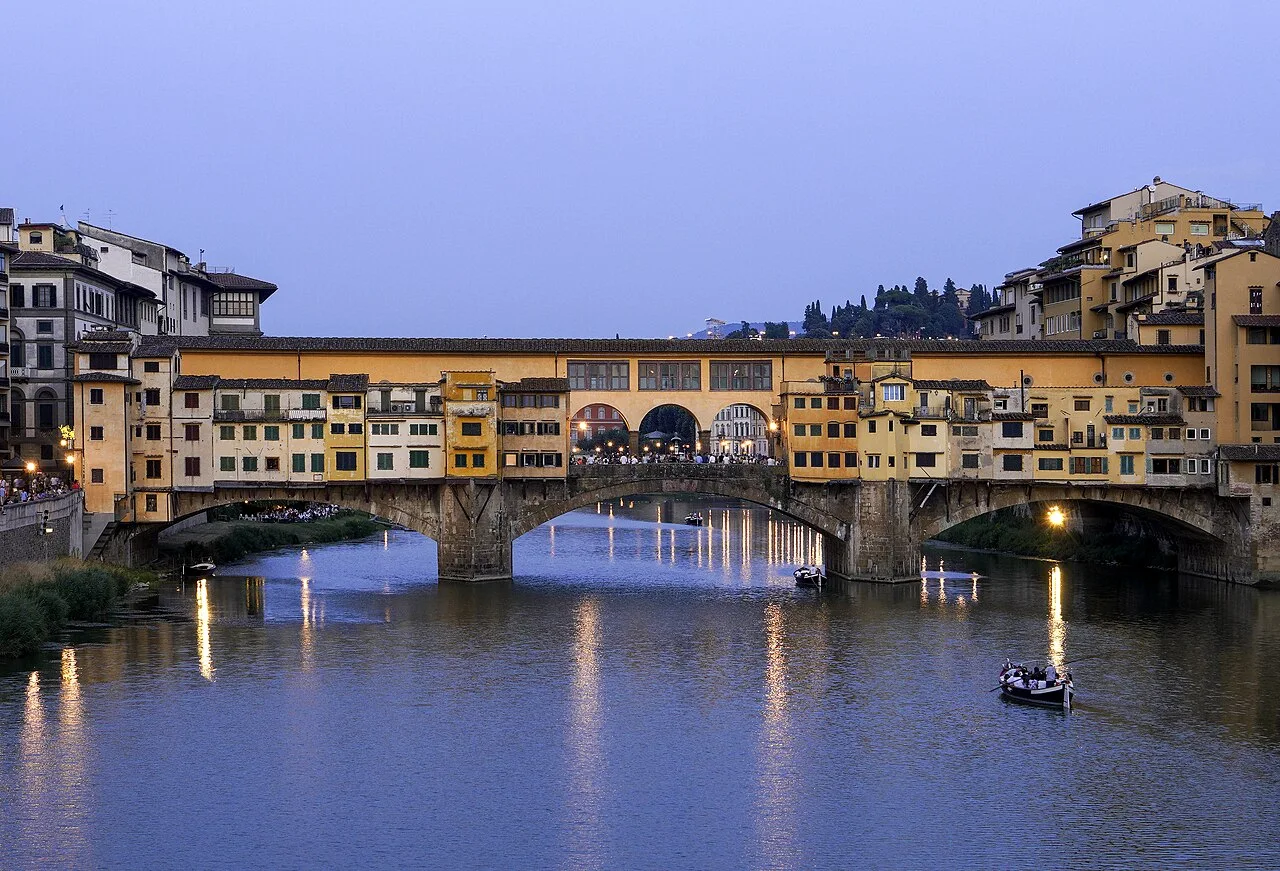
Ponte Vecchio links the banks of the Arno and offers a way to understand Florence without going inside another museum. Visit Tuscany explains that the present bridge was rebuilt in 1345 with three arches. Its shops and projecting structures can make crossing it feel like following a commercial street suspended over the water. Combine the walk across with a view from the riverbank, where the overall shape of the bridge becomes much easier to recognize.
The bridge’s commercial history helps make sense of what you see. Its shops once accommodated food trades and other activities; an order issued by Ferdinand I in 1593 brought the shift towards goldsmiths and jewellers. The elevated corridor built by Vasari in 1565 passes above the shops on the eastern side. You do not need to memorize every date or name. Separating the public crossing, shops and upper structure in your mind already makes the walk more interesting.
Keep moving through narrow parts of the crossing rather than stopping there to organize a group photograph. When it is busy, find a suitable place outside the main flow before pausing. You do not need to buy anything or enter a shop to enjoy the visit; looking at the windows is optional. For a photograph of the whole bridge, choose a riverbank viewpoint with enough safe standing space and a clear view, without climbing walls or obstructing pedestrians.
Changing light alters the relationship between the water, façades and bridge, but no hour guarantees an empty crossing. You can visit after the Uffizi or leave the walk for your third day, depending on your energy and the weather. Wet surfaces are another reason to slow down rather than hurry through. The appeal lies in watching a working city around its river, not in reproducing a postcard photograph. A quieter pace often reveals details that a hurried first crossing misses.

Bookings, bags and a realistic pace in the historic centre
Confirm experiences with limited availability first, then arrange the flexible parts of the day around them. Save your tickets, assigned entrance and operator instructions, including a copy you can open without a connection. The distance between two sights is only part of the time needed to move from one visit to another: checks, queues, breaks and circulation within the buildings also matter. On a short trip, removing a single booking can make the rest of the itinerary far more enjoyable.
When budgeting, separate accommodation and meals from the admissions you genuinely want to use. The cathedral offers a free introduction to the complex, while the dome and gallery require you to check their products and conditions. A combination pass is not automatically good value if you will not have time for its other inclusions. Avoid placing a demanding climb next to another activity with an inflexible arrival time, and discuss any accessibility requirements directly with the institutions involved.
Walk with light luggage and footwear you already find comfortable. Carry water and plan breaks, particularly in hot conditions or when anyone in the group needs a slower pace. If a booking falls on your arrival or departure day, work out the actual transfer from your accommodation and leave a sensible buffer. This guide does not assume a universal station, airport or hotel journey time: the appropriate allowance depends on your chosen base and transport.
A route to get you started
- Day 1: make the Duomo your main visit. If you have a dome reservation, organize the rest of the day around that slot and its baggage rules. If you choose only the cathedral and exterior, use the extra time to observe the architecture and rest. A free hour does not have to become another booking.
- Day 2: give the Uffizi the part of the day when you have the most energy. Afterwards, decide whether to walk to Ponte Vecchio or keep it for tomorrow. Swap the days if the gallery is closed on your planned date: confirmed opening and ticket availability take precedence over this suggested order.
- Day 3: explore Ponte Vecchio and the riverbank without an admission time controlling every minute. Keep a buffer for returning to your accommodation, collecting bags and travelling onwards. If you crossed the bridge earlier, looking again from another position can reveal features that were easy to miss the first time.
Good to know
Can I see Florence in just one day?
You can get a first impression, but combining the gallery, dome interior and a walk in a single day requires careful planning. Choose one main booked experience and fit the flexible stops around the time you actually have. This three-day plan is intended to reduce that pressure.
Do I need a ticket for Florence Cathedral?
Opera di Santa Maria del Fiore states that admission to the cathedral itself is free and does not require a ticket. The dome climb is different and needs a booked time slot. Check current visitor arrangements and any restrictions related to religious celebrations before setting out.
Should I arrange Uffizi admission before travelling?
It is sensible to check availability and conditions on the official website while planning, particularly when your dates are fixed. Select the option that covers the experience you want, and verify the date, entrance instructions and any personal details required for the ticket.
Does this itinerary work without climbing the dome?
Yes. The operator describes 463 steps and no lift for the dome ascent. You can focus on the cathedral and its exterior, keep the Uffizi visit and Ponte Vecchio walk, and discuss any specific accessibility needs directly with each institution before travelling.
Florence contains far more than a first trip can cover, but these three places create a coherent introduction: the scale of the Duomo, the artistic concentration of the Uffizi, and everyday life beside the Arno at Ponte Vecchio. Book what matters, accept that not every building needs an interior visit, and leave time to look. For a longer Italian itinerary, our Rome and Venice guides help you plan contrasting stages without treating every city in exactly the same way.