

Venice looks compact from above, but exploring it means accounting for bridges, narrow passages and the time spent finding your way. This two-day guide focuses on St Mark’s Basilica, the Doge’s Palace and Rialto Bridge. The first two share a setting but each requires attention; the third connects the monumental visit with the landscape and everyday movement of the Grand Canal.
This is not a plan to cover the entire lagoon or race between islands. UNESCO recognises Venice together with its lagoon, a reminder that the city cannot be understood as isolated façades. The itinerary leaves room to watch the water, walk and make sensible admission choices. Avoid placing an important flight, train or boat departure immediately after a substantial museum visit.
Before you pack
- Suggested time
- Two days, adjusted to your pace
- Places in this route
- Three selected places
- Destination
- Venice
St Mark’s Basilica: choose the visit you actually want
St Mark’s combines remarkable religious architecture with a busy visitor flow. Before entering, look at the façade and its relationship to the square; inside, understand the space before concentrating on individual details. Knowing exactly which areas your ticket includes changes the experience considerably. Not every product carrying the basilica’s name offers the same route or access to the same collection.
The official website distinguishes combinations covering the basilica, Pala d’Oro, and museum with the Loggia dei Cavalli. Compare these with your interests and available time. Someone seeking an initial impression of the interior need not automatically buy the broadest option. Conversely, visitors interested in the museum should give it a genuine block of time rather than treating it as a ten-minute extra before another appointment.
Check current clothing, bag and photography rules before arriving, then follow staff instructions. This remains a religious space, and services may affect circulation or access to particular areas. Admission for worship should not be used as a sightseeing shortcut. Keep confirmations and requested documents easy to reach so that you do not need to empty a backpack in front of an entrance queue.
A useful approach is to assign St Mark’s a clear part of the first day and plan a break afterwards. During the visit, alternate looking upwards with noticing the arrangement of spaces around you. Avoid standing in a narrow passage while listening to an entire explanation. If companions have different interests, agree on a meeting place away from entrances rather than searching for one another in the main visitor flow.
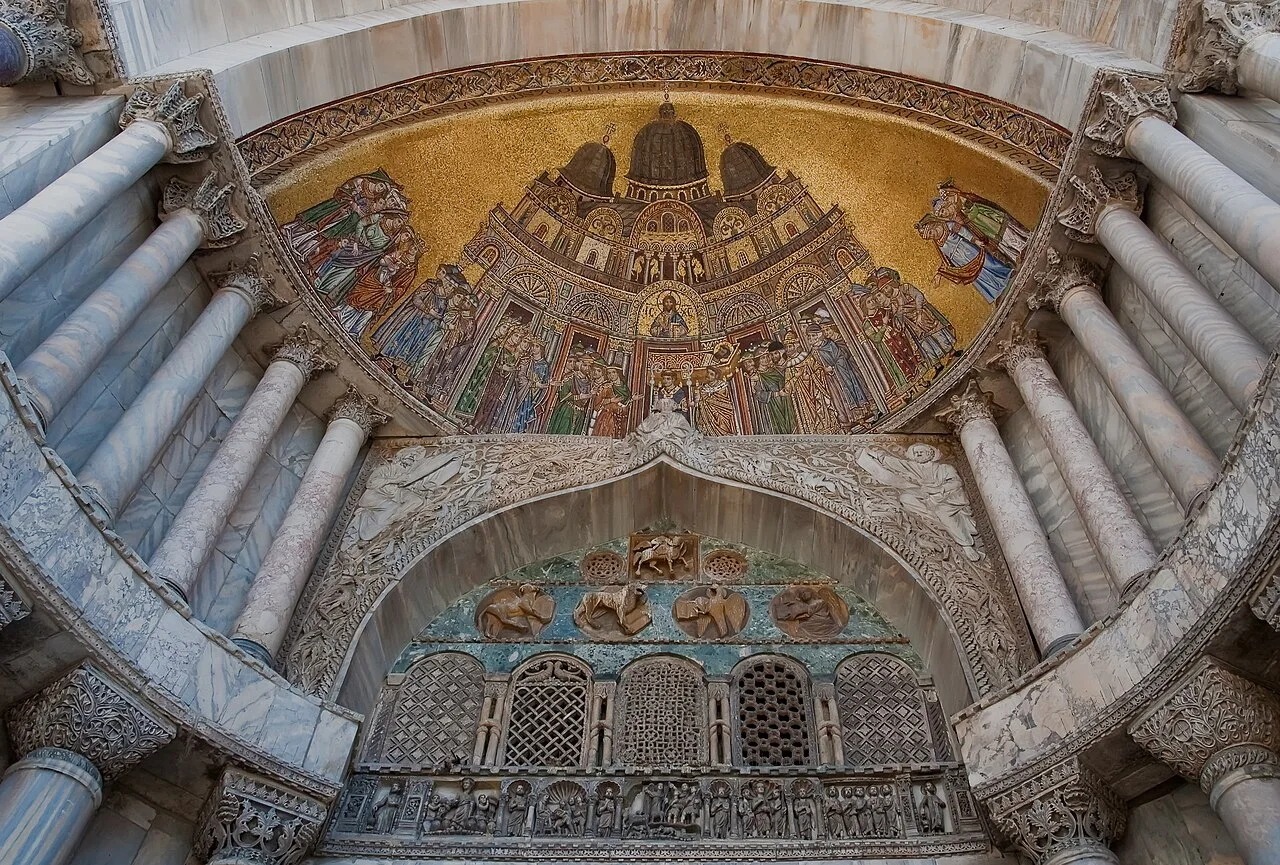

Doge’s Palace: understand the republic’s public image
The Doge’s Palace introduces a different Venice from the basilica: institutions, government and the representation of power. Its official website provides information about the building, collections and special routes. You do not need to memorise every doge’s biography to appreciate it. A more useful starting point is to notice how architecture and decoration create a public image of authority.
Choose the standard route or a special visit according to your interests rather than a promise to see absolutely everything. The museum specifies that special itineraries require reservations and have limited group sizes. For guided visits, check language, meeting point and lateness conditions. A palace appearing on a sightseeing pass does not establish that every possible route inside is included.
Leave enough attention for the later rooms instead of exhausting it in the first. Select a thread, such as the scale of spaces or the purpose of paintings, and return to it as you move through the building. The museum publishes restoration and access notices, which help prevent expectations based on older photographs. With children, alternate observation and pauses rather than turning every room into a complete history lesson.
The museum describes visitor services and accessibility, but travellers with mobility needs should ask about their intended itinerary specifically. An elevator does not necessarily resolve every section of a special tour. Although the basilica is close, a meal and rest between the two visits can make a substantial difference. If you prefer a slower pace, give the palace the second morning and continue to Rialto afterwards.
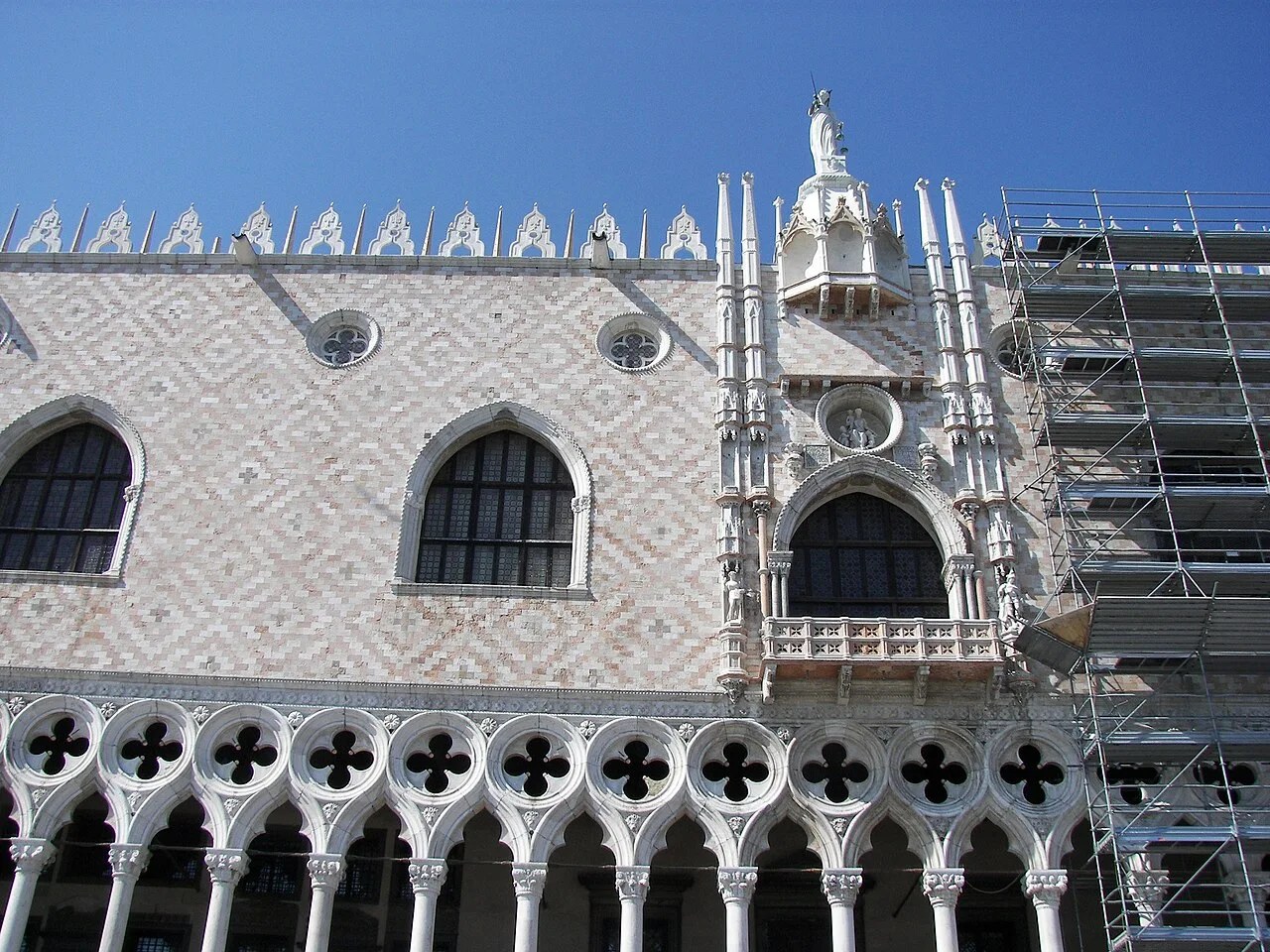

Rialto Bridge: see the Grand Canal as a working route
Rialto is a useful place to understand how water shapes movement and views in Venice. Look at the bridge from the bank before crossing it; this sequence reveals both its form and the canal landscape. Do not restrict the visit to the spot where most phones are raised. Moving between permitted viewpoints often produces a more interesting understanding of the whole setting.
The crossing combines shops with continuous pedestrian movement. Stop only where you will not obstruct others and keep belongings arranged comfortably for walking. If travelling with luggage, reorganise the visit so that you can leave it somewhere suitable first. Bridges and crowded lanes make suitcases awkward even when the distance on a phone screen appears quite short.
You do not need to book a gondola to enjoy Rialto. If seeing the canal from the water interests you, compare regular transport and tourist outings separately: their purposes, routes and conditions differ. Calculate the cost for the entire group and establish the boarding point. The bridge and nearby banks already provide a meaningful visit without adding a paid activity.
Allow time to miss a turning and correct your route without stress. Maps help, but directions still need to be matched with real passages and recognisable landmarks. For visitors who struggle with steps, the complete route from accommodation matters as much as the destination. Investigate adapted routes and transport beforehand instead of discovering an unsuitable section only when you reach it.
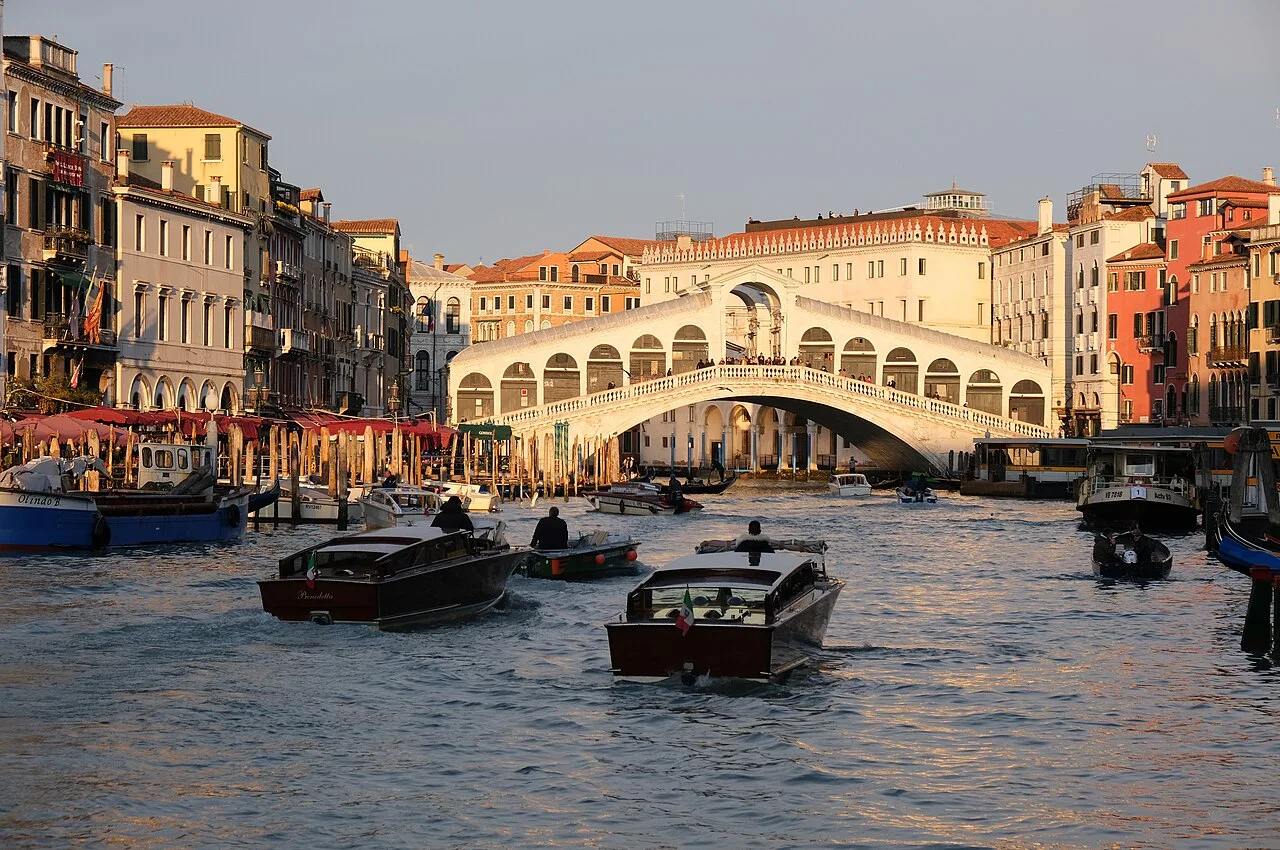
Separate admission, transport and arrival arrangements
Treat monument tickets, city transport, accommodation and any municipal requirement applying to your date or visit category as separate decisions. Do not assume a cultural admission covers the others. Check municipal information before travelling and the transport operator’s notices if you intend to move by water. This guide does not set out a fee calendar or claim that a particular traveller is exempt.
For a two-day stay, compare accommodation by ease of arrival with luggage and your departure connection as well as its position on a map. Carry less during sightseeing. Check the forecast and local notices about water conditions, since a route that works normally may need adjustment. Dropping an optional activity is preferable to jeopardising an important connection or spending the final hours exhausted.
A route to get you started
- Day 1: visit St Mark’s using the combination of spaces you selected. Plan a break afterwards and observe the square without adding another admission automatically. If you also want to enter the Doge’s Palace that day, leave a substantial interval and ensure that the booking conditions work together.
- Day 2: explore the Doge’s Palace if you separated it from day one, then continue towards Rialto with time for food and navigation. View the bridge from the bank before crossing without obstructing others. Keep an extra margin for collecting luggage and reaching your onward transport.
Good to know
Should St Mark’s and the Doge’s Palace be visited on the same day?
Their proximity makes that possible, but compatible admission arrangements and a rest between visits are important. If you want the basilica museum in depth or a special palace itinerary, spreading them over two days may be more comfortable. Geographical closeness does not shorten the time needed inside.
Is the Pala d’Oro included in every basilica ticket?
The official website offers different combinations. Read the inclusions of the specific product before buying rather than relying on a general title. Check museum and loggia access too if they matter to you, so that the ticket matches the experience you expect.
Do I need a gondola ride to experience Venice?
No. These visits work with walking and whatever transport your arrival and accommodation require. A gondola is optional; check its price, duration and conditions before booking if it interests you. It does not necessarily replace the practical transport needed to reach a station or hotel.
Is this route suitable for reduced mobility?
It needs individual planning. Ask about monument entrances, bridges along the route and accessible transport options. A complete journey cannot be guaranteed merely because two points are close. Obtain information about your exact route and agree on alternatives before committing to inflexible bookings.
Two days in Venice can be rewarding without becoming a race. St Mark’s introduces religious architecture, the Doge’s Palace political power, and Rialto the everyday relationship with water. Choose admission carefully, travel light and preserve time to notice the city between the major visits.