
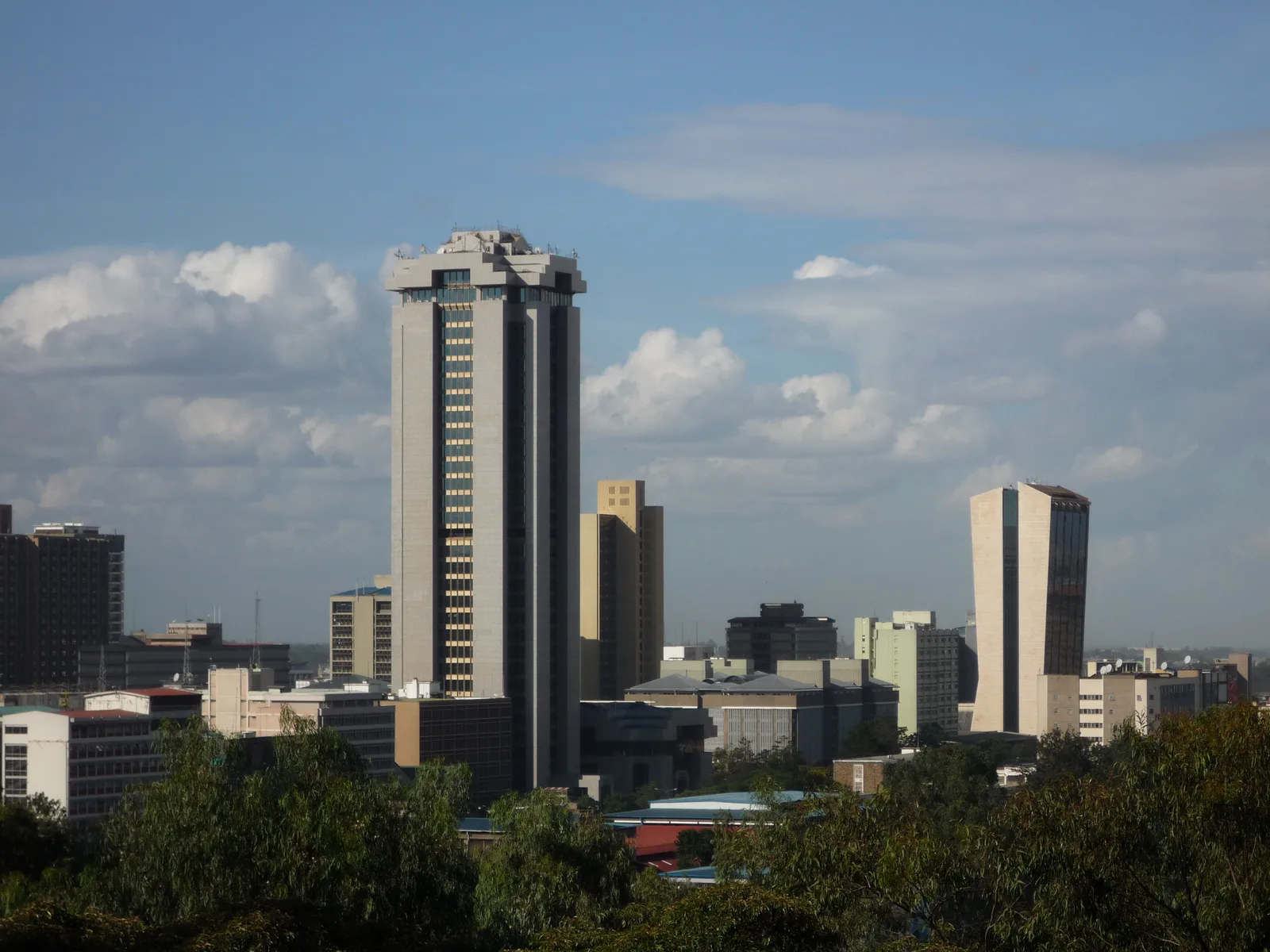

Nairobi deserves more than a stop between the airport and a safari. Museums, art collections and natural spaces introduce different histories and landscapes, from the city centre to forests and places devoted to conservation. These ten visits combine culture and nature without presenting the city as a theme park or promising encounters with particular animals.
You do not need to complete the entire list. Use it to choose according to your interests, then organise outings by area: reservations, traffic and the time you want to spend in each place matter more than an attraction count. Around four days provides room for a broad selection. The suggested itinerary is an editorial planning framework to adapt to your own travel conditions.
Before you pack
- Focus
- Culture, forests and wildlife conservation
- Suggested pace
- Four days to select and combine visits
- Booking priority
- Sheldrick requires advance confirmation
- Planning
- Group by area and check digital payments
1. Nairobi National Park: make room for a proper wildlife outing
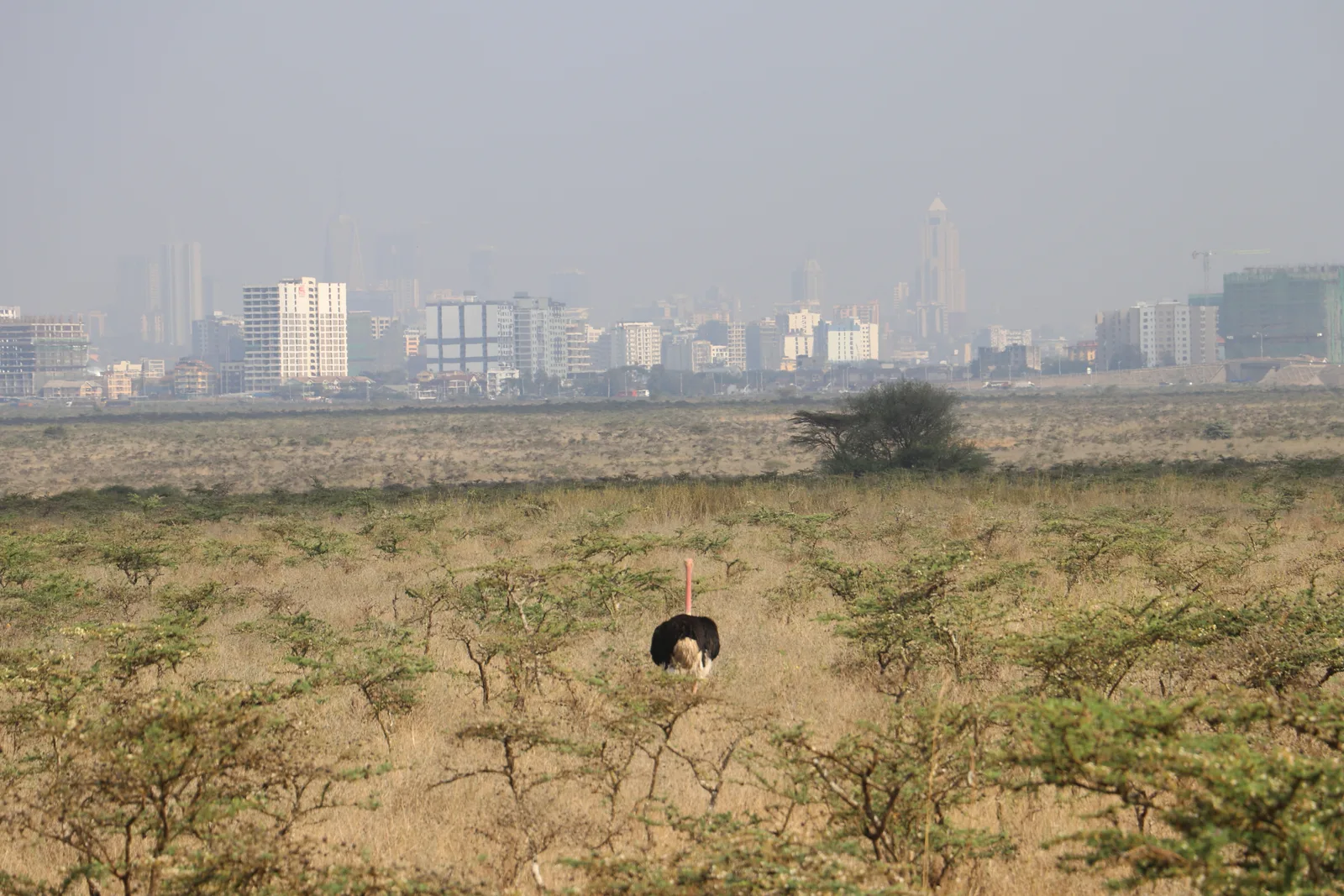
Nairobi National Park brings wildlife observation into a stay in the capital. Sheldrick Wildlife Trust, whose nursery is inside the park, lists rhinos, lions, leopards, buffaloes, giraffes and zebras among its animals. That describes the diversity of the park, rather than a guaranteed sightings list. Allow time to observe behaviour and landscape instead of turning the drive into a race to collect as many species as possible.
Arrange a suitable vehicle and a driver or guide familiar with current park rules, confirming the entrance, payments and planned route before leaving. A transfer to the Sheldrick nursery is not automatically a game drive: these are separate experiences even though they share the park. Follow staff instructions, keep your distance from wildlife and leave the vehicle only where doing so is explicitly permitted.

2. Sheldrick Nursery: understand rescue and rehabilitation
The Sheldrick nursery cares for orphaned elephants as part of a rehabilitation programme intended to return them to the wild. The public visit combines watching the animals being fed with explanations from their keepers. Come for that conservation work rather than expecting a petting experience: the organisation states that only keepers may feed the elephants or interact directly with them.
Advance booking is mandatory and you need an official confirmation issued by Sheldrick; same-day reservations are not accepted. There are two separate payments: KWS park admission and the nursery donation. Paying one does not cover the other. Official information identifies the entrance as Mbagathi, also called Workshop Gate, on Magadi Road. Review the current procedure and allow enough time to complete entrance checks before your visit.
3. Giraffe Centre: look beyond the photograph
Giraffe Centre describes a Rothschild giraffe conservation programme combining breeding, releases and environmental education. The experience becomes more rewarding when you connect the animals you see with that work. The centre also advertises lectures about Kenyan wildlife and birdwatching in its nature sanctuary, giving you reasons to spend time learning rather than treating the visit as a few minutes beside the giraffes.
Check opening notices and visitor conditions on the official website before arranging transport. If participating in an activity involving animals, follow staff instructions and never bring your own food to offer them. Avoid forced approaches or photographs that require disturbing wildlife. Consider combining this area with the Karen Blixen Museum only if transfers and your preferred pace allow you to give both visits adequate attention.
4. Karura Forest: choose your walk before setting out
Karura provides a green break with walking, running and cycling trails, alongside waterfalls and caves. Friends of Karura Forest, the community association involved in its management, lists marked routes of five, ten and fifteen kilometres. Choose according to your available time and fitness: an urban forest still calls for water, suitable shoes and a clear plan for finding your way back.
The main forest and the smaller Sigiria section are separated by Limuru Road. Give your driver a specific entrance rather than simply asking to be dropped at Karura. Gate A serves the main forest; Gate F is the principal Sigiria entrance. Consult the map and current payment instructions, as the visitor page lists M-Pesa through eCitizen. Arriving with cash alone may therefore leave you without a suitable payment method.
5. Nairobi National Museum: connect history, nature and society
Nairobi National Museum, at Museum Hill, is a useful early stop for adding context to the rest of your trip. Its permanent galleries cover human origins, mammals, Kenyan history, cycles of life and numismatics. Rather than moving through them mechanically, choose two or three subjects that interest you and read the interpretation: the connections between collections offer more than a succession of display cases.
The history gallery addresses communities, the colonial period and independence, while the human origins gallery includes Stone Age tools. Set aside an unhurried block of time, particularly when weather makes an indoor visit appealing. If you plan to add Snake Park, check how tickets are sold. Attractions occupying the same museum complex should not automatically be assumed to share a single admission arrangement.
6. Snake Park and Aquarium: a closer look at reptiles
Snake Park is in the National Museum complex but offers a different experience from its historical galleries. National Museums of Kenya describes it as a centre for reptile research and training, as well as a home for rescued and threatened animals. Its exhibits include snakes, crocodiles, tortoises, turtles and lizards, alongside an aquarium with freshwater and marine species.
Pairing it with the museum reduces transfers, although there is no need to add it if captive animal displays do not match your interests. Concentrate on educational interpretation and respect every barrier; do not tap glass or try to provoke movement for a photograph. Ask staff about rescue work and the needs of different species, rather than judging the visit by how many animals happen to be active.
7. Karen Blixen Museum: literature in its historical setting
The Karen Blixen Museum occupies the house associated with the author of Out of Africa and the agricultural estate she managed in Kenya. The collection includes furniture, farming tools and coffee processing equipment, with gardens and a nature trail extending the visit outdoors. These objects provide a way into the activities of the farm beyond recognising a familiar literary or cinematic image.
Use a guided visit to ask about the people and working relationships that supported the estate, and the colonial context in which it operated. The writer’s biography is an entry point, rather than the whole story of Kenya. Afterwards, take time in the garden and look at the labelled trees. Plan transport as an outing to the Karen area, not as a stop immediately beside the city centre.
8. Nairobi Gallery: art and the Murumbi collection
Nairobi Gallery, beside Nyayo House at the Kenyatta Avenue and Uhuru Highway junction, houses collections assembled by Joseph and Sheila Murumbi. Textiles, jewellery, art and postage stamps offer different ways to explore African cultural production. The scale of a gallery rewards attention to detail: choose a few objects and look for information about their origins, materials and the purposes for which they were made.
The building deserves attention too. It served colonial administrative functions and contains the space known as Point Zero, associated with the measurement of distances. The institution also presents temporary art exhibitions, so check the programme if a particular artist interests you. Group it with a KICC visit if that suits your plans, leaving enough time to go inside rather than merely photographing the facade.
9. KICC: architecture and a reference point in the city
The Kenyatta International Convention Centre on Harambee Avenue is a landmark of the capital and a meetings venue dating to the 1970s. Its official website lists the tower and helipad as a visitor service. If access is available during your stay, it can help you get your bearings in the central city and identify the arrangement of its buildings and avenues.
Confirm access conditions and the official payment channel before travelling there. This is a working convention venue, so viewing access should not simply be taken for granted. Avoid building the entire day around a promise of clear views. If you require step-free access or another adjustment, ask about the complete route to the viewing area: lifts somewhere in a building do not establish accessibility throughout the visit.
10. Nairobi Arboretum: trees, birds and time to slow down
Nairobi Arboretum offers another kind of green outing, focused on trees, birdwatching and a break outdoors without the expectations of a safari. Its visitor information distinguishes the main gate near Kenya Girl Guide Headquarters from the lower entrance in Kileleshwa. Choose your pickup point beforehand and pay attention to path junctions, as finding your bearings in a wooded setting takes a little care.
The rules ask visitors to stay on paths, avoid unnecessary noise, leave plants undisturbed and never feed wildlife. Bring water and binoculars if birds interest you. Visitor information lists cashless payments, so check which option you can use before arriving. Read the dates on notices as well: an old announcement about a one-day closure does not automatically describe conditions for the day of your trip.
Plan transfers, reservations and responsible visits
Arrange your itinerary by area and confirm transfers with your accommodation or an identifiable operator. Central Nairobi, Museum Hill, Karen and Karura involve different journeys; a short distance on a map does not guarantee a quick arrival. For any timed activity, agree on the exact entrance and leave a margin. Avoid a chain of consecutive reservations that depends on crossing the city without delays.
Download confirmations, keep documents secure and review official travel advice before departure. This guide does not replace current security information, immigration requirements or individual medical advice. Check how each venue accepts payment, since some use digital systems. In natural areas, keep your distance from animals and listen to keepers or park staff: wildlife welfare matters more than obtaining a particular photograph.
A route to get you started
- Day 1: start with the National Museum and decide whether to add Snake Park in the same complex. Keep the afternoon available for a break or the Arboretum if weather, energy and transfers make that comfortable. Every part of the day does not need to become a fixed reservation.
- Day 2: give Nairobi Gallery and the central city proper attention, adding KICC if you have confirmed access. This pairs art and architecture without also requiring an outing across the city. Choose your route and transfers using current advice from your accommodation.
- Day 3: organise Sheldrick around your confirmed reservation. If you also want a game drive in Nairobi National Park, agree on the combination with your operator beforehand and check admission conditions. Resist adding several more venues afterwards: the park deserves a generous block of time and transfers need a margin.
- Day 4: choose between a substantial Karura walk and a Karen-area day combining Giraffe Centre with the Karen Blixen Museum. These are alternatives rather than a compulsory circuit to squeeze into one day. If both matter to you, add a day or reduce earlier visits.
Good to know
Can I visit Sheldrick without a reservation?
No. Official information requires an advance reservation confirmed by Sheldrick and does not allow same-day bookings. If you book transport or a tour, request the official nursery confirmation. A receipt from an intermediary does not by itself replace that document.
Does Sheldrick admission include the national park?
The nursery donation and KWS park admission are separate payments. Sheldrick states that park admission is required even when you visit only the nursery. Check current amounts, visitor categories and payment procedures before confirming your transport.
Can I walk between all ten places?
Not as a single walking circuit. There are walks within museums, gardens and forests, but this selection covers different areas and a park outing requiring specific arrangements. Coordinate transfers and avoid planning your timetable solely from straight-line distances on a map.
How many days should I spend in Nairobi?
That depends on your priorities. Four days allows a varied selection without trying to link every visit. The suggested final day presents alternatives; if you want both Karura and the Karen-area attractions at an unhurried pace, allow more time or remove another activity.
Nairobi is more rewarding when you combine cultural context, time outdoors and realistic planning. Choose the visits that interest you, confirm reservations and admissions, and leave room to listen to the stories of each place. The aim is to leave with a broader understanding of Kenya’s capital, rather than ten boxes ticked.
Sources consulted
- Sheldrick Wildlife Trust — visiting the Nairobi Nursery —
- Giraffe Centre — conservation and visiting —
- Friends of Karura Forest — activities and management —
- Friends of Karura Forest — essential visitor information —
- National Museums of Kenya — Nairobi National Museum —
- National Museums of Kenya — Karen Blixen Museum —
- National Museums of Kenya — Nairobi Gallery —
- National Museums of Kenya — Nairobi Snake Park and Aquarium —
- Nairobi Arboretum — visitor information —
- Kenyatta International Convention Centre — official visitor services —