

Cape Town requires planning at different scales. A morning in central museums works differently from a trip to Robben Island or the peninsula. Mountains, ocean and neighbourhoods offer distinct perspectives, and bringing them together is more rewarding than concentrating solely on viewpoints. These ten places combine scenery, conservation, contemporary art and historical memory.
This selection includes urban visits and places beyond the centre. Group destinations by area: dedicate a day to the harbour, another to neighbourhoods and museums, and a substantial outing to the peninsula. Keep Table Mountain flexible and arrange transfers around your accommodation. Robben Island reservations and other activities with specific departures can provide fixed points in the itinerary.
Before you pack
- Planning approach
- Separate central districts, Waterfront, mountain and peninsula
- Suggested time
- Four or five days for this selection, depending on pace
- Booking priorities
- Check Robben Island and any specific activities you select
1. Table Mountain: understand the city through its landscape
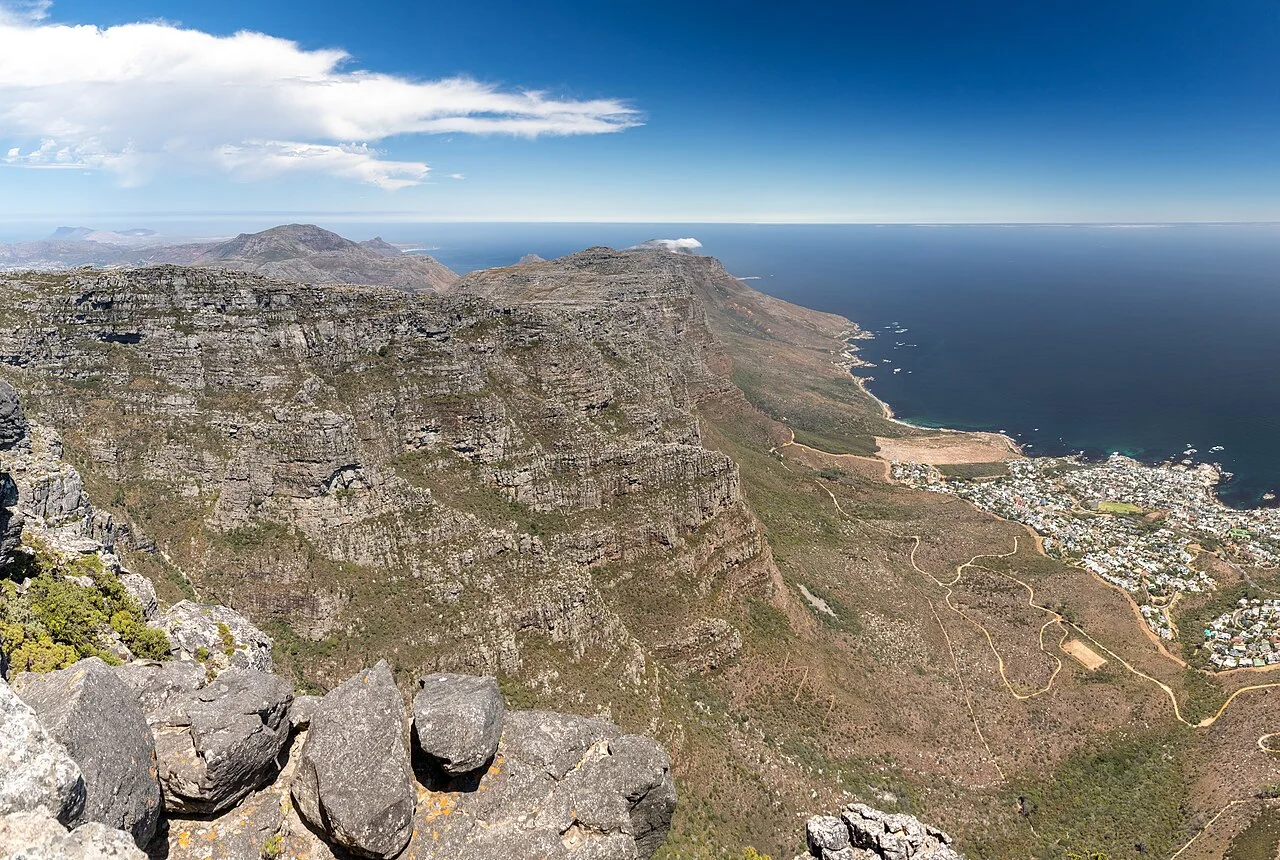
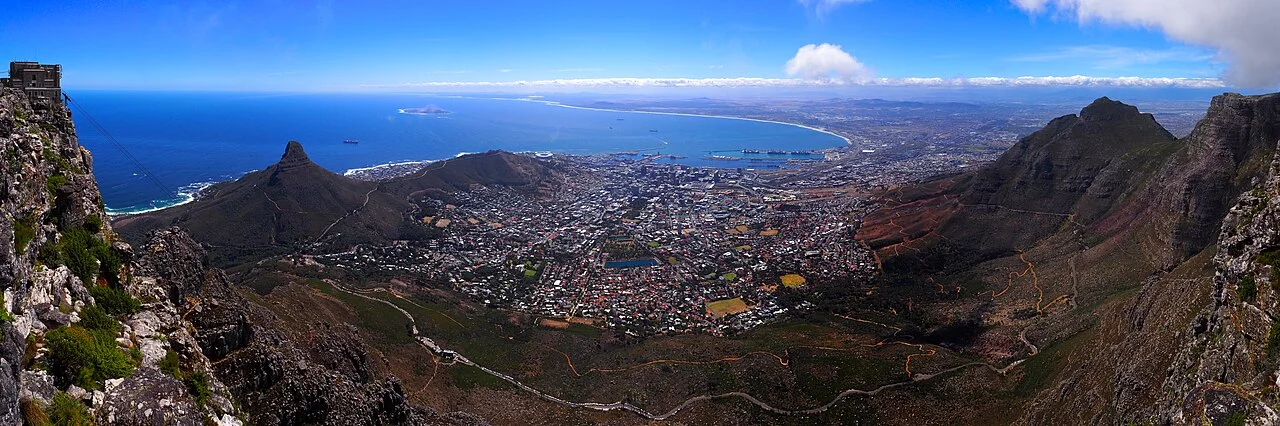
Table Mountain is not simply a viewpoint detached from Cape Town: it belongs to a national park combining mountain and coastal landscapes. Looking across the terrain helps explain how the city and shoreline fit together. Before choosing a visit, distinguish a hiking outing from arrival using a visitor service, because the preparation and commitment are not equivalent.
Consult current park information and the operator of any service you intend to use. For walking, select a route suited to your experience and review official guidance, rather than interpreting a short line on a map as an easy excursion. If conditions are unsuitable, rearrange the itinerary and use that day for museums. The mountain does not need an inflexible appointment.

2. Robben Island: make space for a visit about memory
Robben Island Museum presents a place of memory and an institution responsible for conserving and interpreting its heritage. Approach it with an interest in human stories and exclusion, rather than seeing the boat journey as the whole attraction. The museum website offers prisoner accounts, educational programmes and resources that can inform the visit and support further reading afterwards.
The museum states that ferries depart from the Nelson Mandela Gateway at the V&A Waterfront. Book through the official channel and confirm the reporting point, requested documents and service conditions. Allocate a substantial part of the day and avoid committing to another major booking immediately after returning. This is an experience that deserves attention without a constant eye on the next appointment.
3. V&A Waterfront: get your bearings beside the water
The V&A Waterfront brings walking areas, shops, restaurants and visitor services together in one district. It can provide an orientation point early in your trip, particularly if you plan to depart for Robben Island. Its usefulness lies in choosing a suitable combination of waterfront time and an activity, rather than attempting to visit every venue in the precinct.
Consult the district map to locate the departure point, somewhere to eat and any attraction you have booked. Agree on a precise meeting place when travelling with others, because meeting somewhere at the Waterfront can be surprisingly vague. Zeitz MOCAA fits geographically into this area, but give the museum its own visiting time rather than treating it as a quick extra.
4. Kirstenbosch: look more closely at the Cape's vegetation
Kirstenbosch National Botanical Garden sits against the eastern slopes of Table Mountain. SANBI, which manages it, provides maps, tours, plant information and options for exploring the garden. It is a useful change of scale after broad mountain views: here you can pay attention to individual forms, collections and the relationship between plants and their setting.
Use the garden map to choose a route and decide whether the tree canopy walkway belongs in your visit. Do not confuse a garden stroll with an extended mountain hike beyond it. Organise arrival and departure from your accommodation, bring what you need for time outdoors and plan pauses. Appreciating a botanical garden does not require covering every path it contains.
5. Bo-Kaap: see a living neighbourhood beyond its colours
Bo-Kaap deserves more than a stop to photograph colourful houses. Interpretation at the Iziko museum explores community life, family businesses, trades and the social role of streets. This perspective makes it easier to understand the facades as part of a lived neighbourhood, rather than as a collection of decorative backgrounds with no connection to the people who use them.
Use the Bo-Kaap Museum on Wale Street as an orientation point and then take a considerate walk nearby. Ask permission before photographing people or private activities and avoid obstructing entrances. Check the museum's current visiting information: its website contains notices from different dates, so an old announcement alone cannot establish the arrangements that will apply when you arrive.
6. District Six Museum: listen to the histories of displacement
District Six Museum works with memories of communities affected by forced removals, alongside restitution and cultural reconstruction. The visit is about understanding experiences and relationships with place, not collecting a tally of objects seen. Give yourself time for testimony and interpretation, especially if this is your first substantial introduction to Cape Town's social history and its continuing consequences.
The institution distinguishes its museum from the Homecoming Centre, both on Buitenkant Street. Confirm which venue corresponds to the visit or activity you have chosen before travelling there. A quieter block of time is preferable to rushing between several institutions without reflection. If a particular subject interests you, use the museum's resources and publications to explore it further afterwards.
7. Zeitz MOCAA: bring contemporary art into the itinerary
Zeitz MOCAA adds contemporary art to a trip that may already contain significant historical visits. Located in the Silo District at the V&A Waterfront, it publishes exhibitions and educational programmes. Choose it for more than its building: look at the artists and questions addressed by the current programme before deciding which part of the museum deserves your attention.
Exhibitions have their own dates, so verify what will be showing during your trip. Pick one or two priorities and leave room to encounter unfamiliar work. Afterwards, resume exploring the Waterfront without a major transfer. This makes a practical combination when you want to reduce travel and balance indoor activities with time outside, rather than adding another distant appointment.
8. Boulders: observe penguins without intruding
The Boulders colony at Simon's Town forms part of Table Mountain National Park. SANParks explains that the boardwalks allow visitors to observe African penguins while reducing disturbance. The value of the experience is watching their behaviour within a protected setting, not moving ever closer in pursuit of a different photograph or treating the animals as available for interaction.
Follow signs in the viewing area and do not touch or feed the penguins. Organise Boulders as a peninsula outing, rather than imagining it as a stop beside central Cape Town. Check current park admission information and notices before setting out. Beaches, coastal areas and designated viewing spaces may have different access arrangements, and should not be assumed to be interchangeable.
9. Cape Point and the Cape of Good Hope: allow the peninsula enough time
Cape Point and the Cape of Good Hope belong to a peninsula visit within the national park. The experience combines landscape, observation points and walking options. Identify the places you actually want to see on the map: this is not one single spot where a photograph automatically replaces an encounter with the wider setting and its different features.
Decide how you will travel within the area and which services, such as the funicular, genuinely interest you. Check park conditions separately from those of individual operators. If combining the outing with Boulders, allocate a substantial day and resist adding too many extra stops. Leave enough margin to appreciate the landscape and return without relying on an excessively tight schedule.
10. Signal Hill: another perspective on the harbour and city
Signal Hill offers views of Cape Town and the harbour from the northern end of the national park's terrestrial area. SANParks distinguishes it from neighbouring Lion's Head, a peak associated with a hiking route. The difference matters: wanting to see the city from above does not automatically mean choosing a mountain ascent with a different level of commitment.
Use official information to define your access and the kind of outing you want, and decide how you will return before leaving. If hiking rather than visiting a viewpoint, assess the route on its own terms. Signal Hill can remain a flexible part of the itinerary: a good opportunity to contemplate the city matters more than completing another destination regardless of conditions.
Choose a season and keep alternatives
SANParks describes a Mediterranean-type climate on the peninsula, with cool, wet winters and warm, dry summers. If gardens, mountain scenery and the coast are your priorities, summer may appeal because of that broad pattern. In winter, alternate museums and neighbourhoods with outdoor outings, using suitable days to appreciate the landscape.
Wind matters as much as rainfall: park information identifies periods of strong winds in both seasons. A summer date cannot guarantee that a service will operate or that conditions will suit a walk. Check forecasts and notices before setting out, and retain the option of swapping a mountain day with a museum day without losing important reservations.
A route to get you started
- An urban day: make Bo-Kaap and District Six the focus of a day exploring communities and memory. Add only what your pace allows. Although both belong to the central-city part of the trip, each institution deserves attention and should not become a brief stop made simply on the way somewhere else.
- A harbour day: organise Robben Island around the official reservation, keeping the remainder of the Waterfront day flexible. Put Zeitz MOCAA in a separate block of time or another day. Separating these priorities prevents a change to the boat service from disrupting every museum booking in your itinerary.
- Landscape days: allocate a substantial outing to Boulders and Cape Point, with another day for selected activities at Table Mountain or Kirstenbosch. Signal Hill can remain a flexible option. Adjust the order to actual conditions and the transport you have arranged, rather than promising yourself that every combination will fit into an identical day.
Good to know
Can all these places be visited on foot?
No. The selection combines urban districts, an island and peninsula destinations. You can walk within individual areas, but you must arrange transfers between them and the official service to Robben Island. Review the overall geography before choosing accommodation and reservations, not only when starting each morning's route.
Should every attraction be booked in advance?
There is no single rule. First identify experiences with specific departures or capacity, such as Robben Island, and consult their official booking conditions. Keep flexibility where possible. For museums and parks, check current notices and authorised ticket channels before paying an intermediary or making assumptions about availability.
How should I choose days for outdoor visits?
Plan mountain and coastal outings around forecasts and notices from the park or operator. No season or particular day is presented here as a guarantee of good weather. Keeping indoor alternatives and avoiding tightly linked bookings makes it easier to adapt without losing the experiences that matter most to you.
A balanced first visit to Cape Town needs both landscape and context. Museums explain human experiences that viewpoints cannot show, while the garden and national park help you understand the setting surrounding the city. Group destinations by area, reserve your priorities and give each place the opportunity to contribute something different to the trip.
Sources consulted
- Table Mountain National Park – SANParks —
- Home - Robben Island Museum —
- V&A Waterfront Cape Town | Shopping, Dining & Attractions —
- Kirstenbosch - SANBI —
- Bo-Kaap Museum – Iziko Museums —
- District Six | Museum —
- Zeitz MOCAA - Museum of Contemporary Art - Zeitz MOCAA —
- Boulders Penguin Colony – Table Mountain National Park – SANParks —
- Cape of Good Hope & Cape Point – Table Mountain National Park – SANParks —
- Lion’s Head & Signal Hill – Table Mountain National Park – SANParks —
- Climate – Table Mountain National Park – SANParks —