
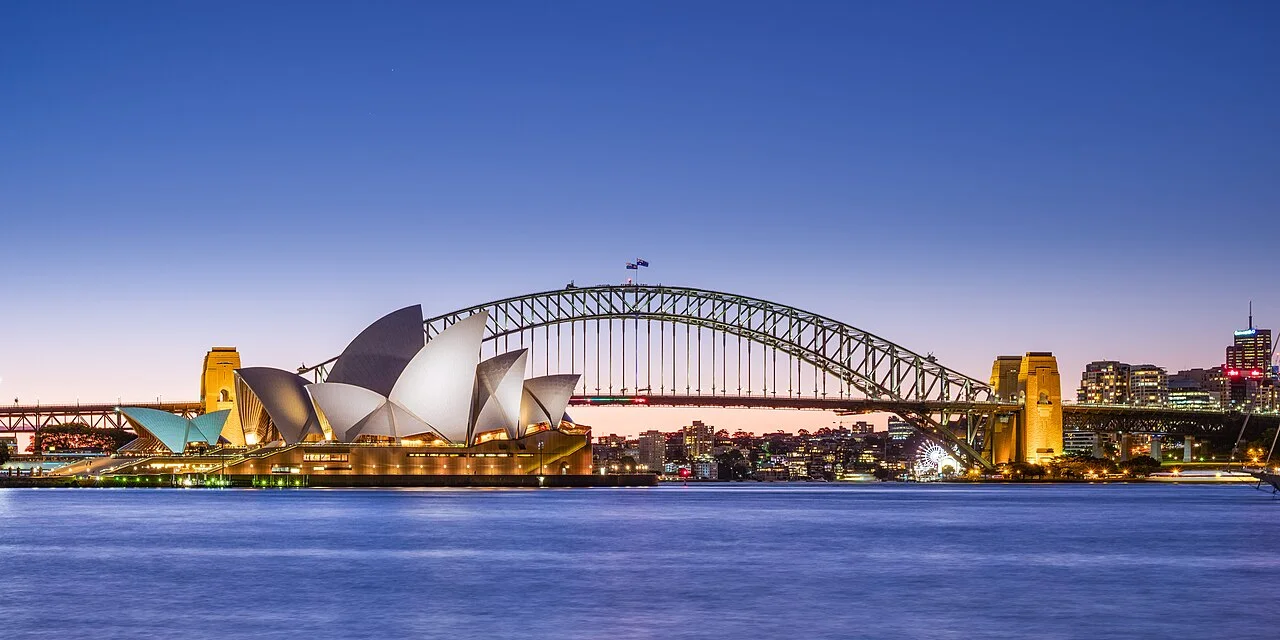

The most useful way to understand Sydney is to let the harbour organise your visit. Circular Quay brings several major landmarks together, but the city changes when you cross the water to Manly or head towards the ocean at Bondi. These ten places combine architecture, art, neighbourhoods and coastal scenery without treating the whole city as one familiar postcard.
Spread these visits across three or four days according to the exhibitions, walks and activities you choose. Group the Opera House, gardens and The Rocks around Circular Quay, and leave more time for Manly or Bondi. Before buying admission or selecting a ferry, check the route and conditions that apply to that particular outing.
Before you pack
- Starting point
- Circular Quay for planning harbour visits
- Suggested pace
- Three or four days, adapted to your interests
- Getting around
- Combine walking, public transport and ferries
1. Sydney Opera House: appreciate the setting and choose an experience
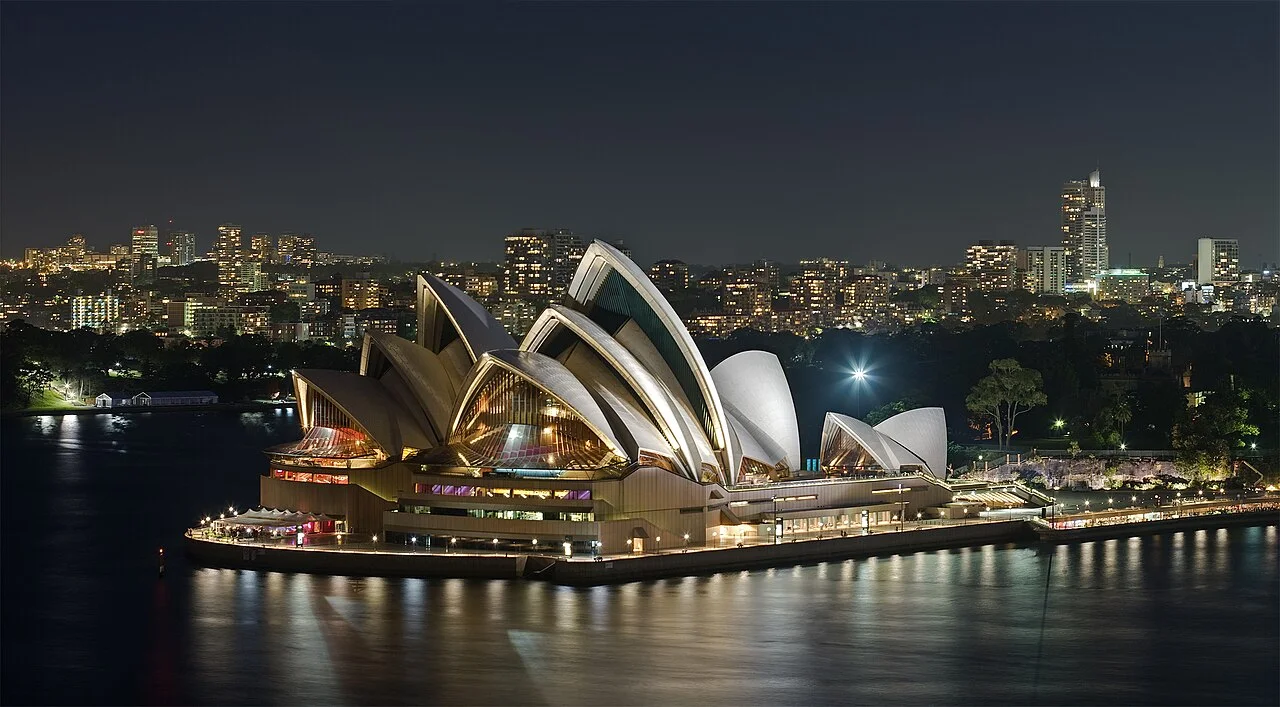
At Bennelong Point, the Opera House offers two different kinds of visit. Walk around the exterior to see how its shapes relate to the water, or choose a guided tour or performance to explore its cultural role. A theatre ticket, an interior tour and an outdoor stroll should not be treated as interchangeable experiences.
Approach from Circular Quay and allow yourself several viewpoints rather than stopping only at the steps. If the interior matters to you, select the available tour format and language first. A performance can shape an entire afternoon or evening; it does not have to become one more rushed booking between unrelated attractions elsewhere in the city.

2. Harbour Bridge: choose between a crossing and a climb
The bridge is part of everyday harbour life, as well as a way to change your perspective on Sydney. Official visitor information distinguishes the pedestrian crossing from the commercial BridgeClimb experience. They are different activities with different requirements, so decide whether your priority is a walk, the structure itself or a guided adventure above the harbour.
Combine the southern approach with The Rocks and Circular Quay to reduce unnecessary travel. Before crossing, decide where your walk will finish and how you will return. This makes the far side a planned part of the visit rather than a logistical surprise. For a climb, check participation requirements, weather arrangements and cancellation terms directly with the operator.
3. The Rocks: give the neighbourhood time to tell its story
The Rocks brings streets, lanes and harbour history together in a compact part of central Sydney. Museums, galleries and guided walks provide context for its buildings. Exploring on foot helps you notice details that disappear when the neighbourhood is used simply as a shortcut towards the bridge or a place to collect a quick photograph.
Start with a few streets and choose one institution or interpretive walk, rather than trying to enter every shop. If markets are important to your visit, check their actual schedule before planning around them. You can continue towards Walsh Bay, or save that waterfront stretch for another walk if the day's pace and your energy suggest a shorter route.
4. Royal Botanic Garden: make room for the harbour landscape
The Royal Botanic Garden combines plant collections, paths and water views beside the Opera House. It gives a central-city visit a different rhythm: instead of moving from one building to another, you can pay attention to vegetation and landscape. Official information also describes interpretation of Aboriginal connections with the land, offering more than a scenic background.
Use the garden map to choose entrances and exits that suit your wider route. If you want to continue to Mrs Macquarie's Chair, make that a deliberate extension rather than assuming every viewpoint is immediately adjacent. Bring what you need for time outdoors and check the conditions of any guided activity you wish to join before arriving.
5. Art Gallery of New South Wales: plan around what interests you
The Art Gallery of New South Wales brings Australian and international art into an itinerary that might otherwise revolve around scenery. The official guide highlights its collections and Aboriginal and Torres Strait Islander art. You will gain more by choosing a subject or exhibition to explore than by attempting to see the entire institution in one sweep.
Check the exhibitions and buildings that matter to you, including Naala Badu where relevant to your plans. Distinguish collection access from exhibitions with separate conditions. Give yourself time to read, look and pause; a museum is not automatically a brief gap between outdoor attractions. If you plan to continue towards Woolloomooloo, leave enough flexibility for that additional walk.
6. Taronga Zoo: organise the whole visit, including the journey
Taronga combines an animal institution with a location facing Sydney Harbour. Travelling from Circular Quay is part of the outing, but the visit does not end when you step off the ferry. Identify the areas that interest you and look at educational programmes beforehand, especially when travelling with children who may need a manageable route and regular breaks.
Check access from the wharf and the arrival options described by the operator. Do not assume that a transport ticket automatically includes admission. Build in rest stops and a realistic return plan. If you want to add the Bradleys Head walk, assess its time and effort separately; it is an optional extension, not a requirement for enjoying the zoo.
7. Chinatown: use a meal to explore a different side of Sydney
Chinatown shifts attention from waterfront monuments to shops, markets and restaurants. Sussex and Dixon streets are among the routes highlighted by the tourism office. Rather than searching for a single restaurant that supposedly represents the entire neighbourhood, use a meal to explore different choices and appreciate the variety found within this part of the city.
Read current menus and prices before ordering, and ask about ingredients if you have specific dietary requirements. Celebrations and markets follow their own calendars: verify them rather than assuming they happen every day. The Chinese Garden of Friendship can be combined with the neighbourhood when its visiting arrangements fit, but avoid turning a relaxed meal into another tightly timed stop.
8. Museum of Contemporary Art: another perspective at Circular Quay
The Museum of Contemporary Art Australia stands at Circular Quay, making it straightforward to include in a harbour day. Its focus is contemporary art, so it is not simply a duplicate of the Art Gallery of New South Wales. Compare their programmes and choose according to your interests if your available time only allows one major gallery visit.
Check what is currently being shown before deciding how long to spend inside. Approach the works through their artists and contexts, rather than treating the building solely as another harbour viewpoint. Afterwards, you can continue into The Rocks without adding a long transfer. This combination is particularly useful when you want a slower day with fewer transport decisions.
9. Manly: cross the harbour and leave room to explore
The ferry from Circular Quay makes the journey to Manly an important part of the outing. Once you arrive, The Corso connects the wharf area with the ocean beach. The contrast between sheltered harbour, shopping street and open coastline deserves a visit of its own, rather than a hurried return trip made only for photographs from the boat.
Confirm the service, departure terminal and ticket conditions you intend to use. In Manly, choose between staying near the beach, walking towards Shelly Beach or following another route described in official visitor information. If you swim, follow local signs and conditions. Attractive scenery does not tell you whether the water is suitable for your experience or for that day's weather.
10. Bondi Beach: treat the coast as a proper outing
Bondi provides a different coastal experience from Manly and deserves its own place in your planning. The tourism office recommends public transport and highlights coastal walking opportunities. You can focus on the promenade and neighbourhood atmosphere without feeling obliged to surf, enter an ocean pool or complete a lengthy walk to justify coming here.
If you want to follow the coastal route towards Coogee, check the path's condition and decide where you will reconnect with transport. Do not automatically add it to an already full day. Choose any water activity according to your experience and follow local instructions. Even an apparently simple beach visit needs room for food, rest and the return journey.
When to visit Sydney
Autumn, from March to May, is a useful choice when coastal walks are a priority: Tourism Australia highlights mild conditions and reduced humidity. Spring, from September to November, also brings warmer days with less humidity than summer. Choose between them according to your available dates and the specific activities you want to experience.
Summer falls in December, January and February, while winter runs from June to August. For a beach-focused visit, check water conditions as well as the forecast. In winter, give museums and cultural events a larger place in the itinerary, keeping harbour walks flexible around the weather. Tourism Australia reports that June is generally the wettest month.
A route to get you started
- Day one: begin at Circular Quay, explore the Opera House exterior and select a manageable part of the Royal Botanic Garden. Add The Rocks if your energy allows. Your priority is to understand the harbour and its connections, rather than completing every major attraction immediately after arrival.
- Day two: choose between a substantial Taronga visit and an outing to Manly. If both matter to you, put them on separate days or reduce other activities. Let the actual transport timetable and the time spent at your destination shape the return journey.
- Day three: reserve time for the Art Gallery or MCA and another part of the day for Chinatown. Give Bondi an additional day, or a substantial part of one. These are planning suggestions, not a promise that every traveller can comfortably fit all ten places into an identical schedule.
Good to know
Do I need to hire a car for these places?
A car is not a requirement for this selection. Organise the visits around walking and public transport, using ferries for appropriate outings. Check individual connections from your accommodation and consider accessibility needs. Being near a useful station or wharf may matter more than staying beside a single attraction.
Can I visit the Opera House without attending a performance?
Yes. The official guide describes outdoor visits and guided tours as options distinct from attending a show. Access to interior spaces depends on the activity selected. Check the programme and the operator's conditions before assuming that a particular ticket or visit includes every part of the building.
When should I book the main activities?
Book when your dates and the conditions of the particular experience are clear, especially if a performance or guided activity is a priority. Keep outdoor walks more flexible and review the weather forecast. There is no single ideal booking date that applies to every traveller and every Sydney attraction.
Sydney becomes easier to enjoy when harbour visits, museums and beaches have their own space. Choose the places that matter to you, group nearby stops and allow a ferry trip or coastal walk to count as a complete experience. This list is a tool for making decisions, not a demand to collect ten sights during an impossibly short stay.