

San Pedro de Atacama is a base for very different landscapes, but its excursions do not all require the same effort or reach the same altitude. This guide selects Moon Valley, Laguna Chaxa and El Tatio geysers: stone and salt formations, a salt flat wetland and a high altitude geothermal field. Their variety creates a coherent trip without adding journeys merely to complete a long checklist.
We suggest three flexible days, placing El Tatio last if conditions and your health allow. October is spring in the Southern Hemisphere, but that does not remove cold mornings or sharp temperature differences. The photographs are real; flamingo sightings, visible steam and sunset colour vary. No image guarantees that you will encounter precisely the same scene.
Before you pack
- Suggested time
- Three days, adjusted to your pace
- Places in this route
- Three selected places
- Destination
- San Pedro de Atacama
Moon Valley: understand a landscape of stone, salt and dunes
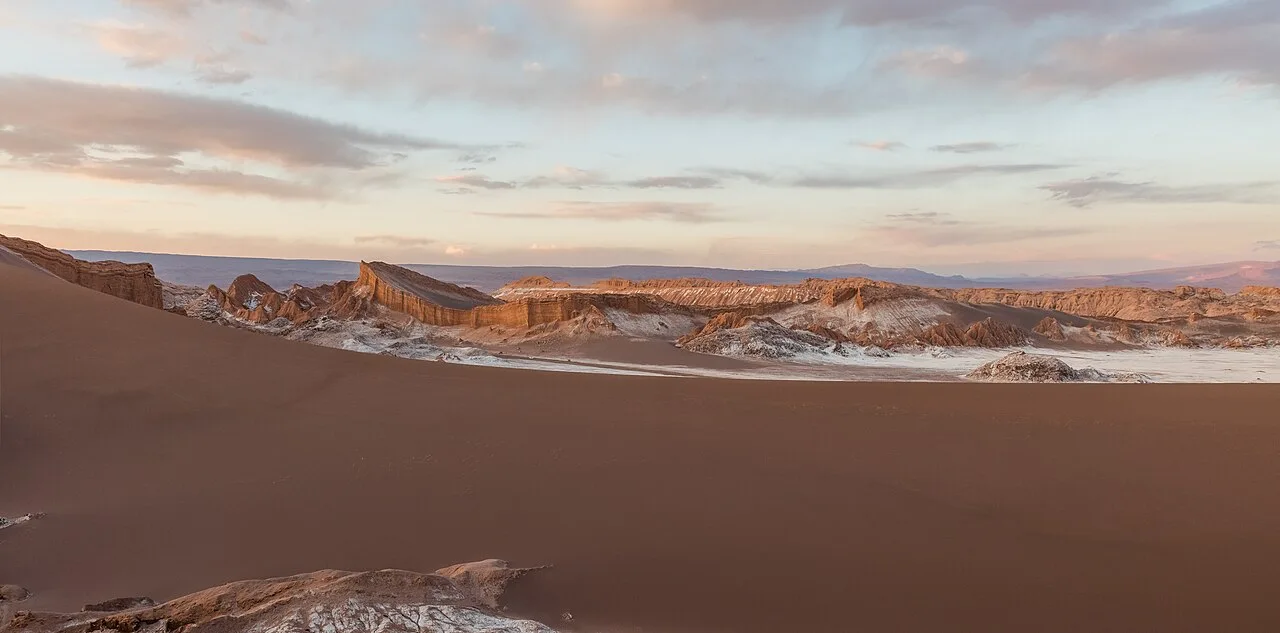
Chile Travel describes Moon Valley as a landscape shaped by wind and time, with stone and salt formations, dunes and ridges. Its interest lies in recognising those shapes and the way light changes their colours. Visiting does not mean walking freely over every dune. Use authorised routes and viewpoints, following instructions at the entrance and from staff.
Sunset can be appealing, but organise it as a proper visit rather than a last minute arrival. Confirm admission, the available circuit and closing or last entry arrangements. Sunset time does not replace the rules of the site. If booking an excursion, check whether entry is included and which walks are planned.
Allow time to observe the terrain from several permitted positions. One broad photograph can explain the relationship between dunes and mountains better than many images taken without context. Avoid leaving the route to find an empty angle, and do not remove rocks or fragments of salt. The landscape’s fragility is not always apparent in a panoramic image.
Chile Travel places the valley close to San Pedro, but proximity does not make water, sun protection and suitable shoes unnecessary. If you are tired after arrival, consider postponing the visit. The programme should respond to available energy, especially on the first day, rather than treating every unoccupied hour as an obligation to take another excursion.
Laguna Chaxa: observe a wetland without disturbing it
Laguna Chaxa belongs to the Soncor system within Los Flamencos National Reserve. CONAF identifies this sector and explains that operations can change because of weather or activities of the community involved in its management. Current access needs checking. Do not assume that every area of the reserve shares one ticket, timetable or reservation system.
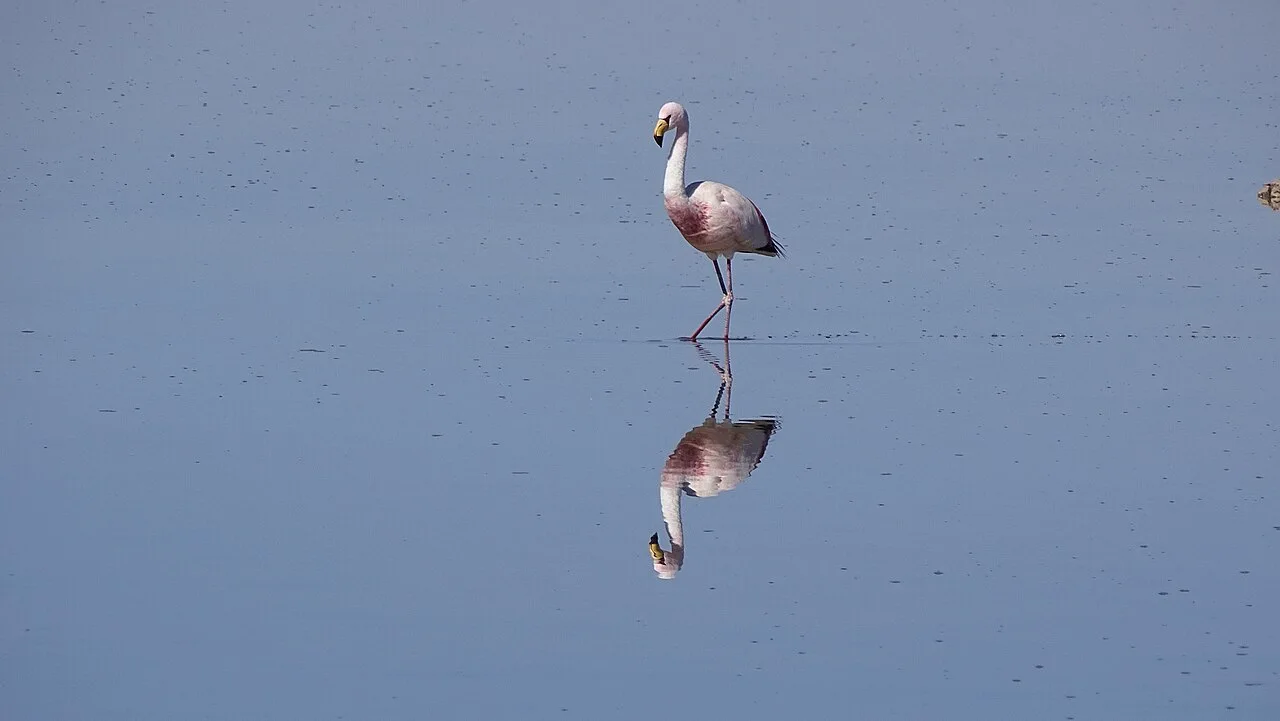
The visit focuses on the salt flat landscape and wildlife observation from permitted areas. This section’s photograph shows a flamingo at Chaxa, but it does not guarantee the presence, number or proximity of birds during your visit. Binoculars allow observation from a distance and are more useful than approaching the water to recreate an image.
Keep your distance, avoid noise and never feed wildlife. The wetland is not a bathing area or a place to walk freely across the salt crust. Follow designated paths and walkways. Flat-looking ground can conceal ecological fragility and conditions that are not obvious to a visitor.
Before leaving, consult the sales or booking system linked by the managing authority and check what your transport service includes. Agree on time to observe rather than only stopping beside a sign before returning to the vehicle. This day introduces a quieter pace than the valley’s rock formations and helps explain that the desert also supports ecosystems dependent on water.

El Tatio geysers: altitude changes the planning
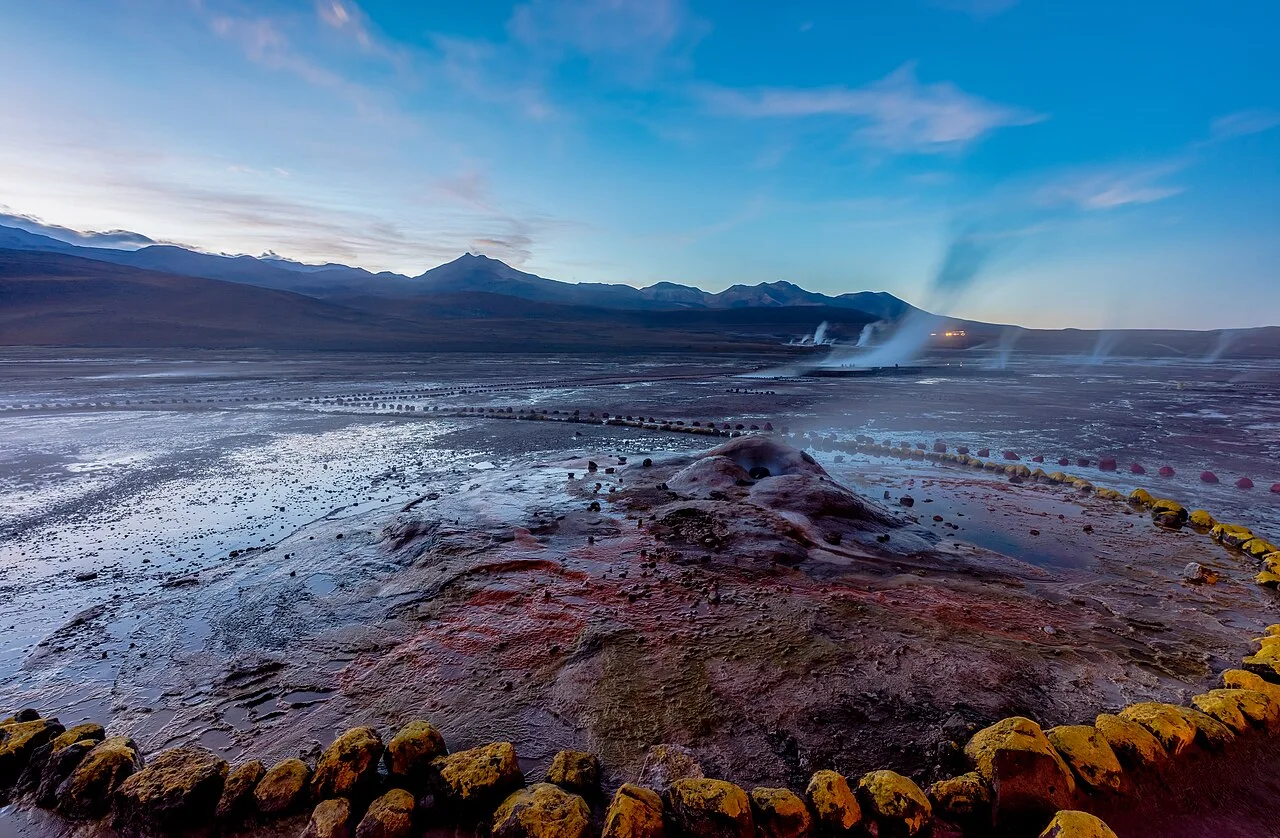
El Tatio geysers lie above 4,300 metres, according to Chile Travel. That is a decisive planning detail: this is not simply another walk at the same elevation as San Pedro. The tourism authority describes a geothermal field where cold morning air makes steam more visible. The experience combines underground activity, low temperatures and exposure to substantial altitude.
Do not automatically schedule El Tatio for the first dawn after arrival. Allow time to adapt and assess how you feel, without treating one or two nights as a guarantee of altitude tolerance. If you have relevant health concerns or uncertainty, consult a qualified professional before travelling. If symptoms develop during your stay, do not continue ascending merely to protect a reservation.
Confirm departure time, required equipment and transport conditions with the operator. An early departure needs meaningful warm clothing, not just a light jacket chosen for a midday walk around town. Prepare layers, protection for hands and head, water and appropriate footwear. San Pedro’s forecast alone does not describe the environment you will encounter higher up.
At the geothermal field, remain on authorised routes and away from hot water or ground. Do not approach an opening to test its temperature or leave the path for a steam photograph. If terrain conditions change access, accept the revised route. El Tatio remains an optional part of the trip when altitude or weather makes another decision more appropriate.

Bookings, arrival from Calama and choosing excursions
Chile Travel identifies Calama Airport as a usual arrival gateway for San Pedro de Atacama, followed by a road transfer. Arrange that section around your actual landing time and possible delays. Avoid buying an excursion that depends on reaching your accommodation and leaving again immediately, without any room to eat, rest or get oriented.
Compare excursions by inclusions: transport, admission, guiding, meals and group size. An advertised price does not always cover entry to the site. Confirm collection points and cancellation conditions when an activity depends on weather, access or altitude. Do not assume a single reservation covers every sector of a natural reserve.
For October, pack around contrasts: daytime sun protection and warm clothing for colder hours. If you intend to drive, investigate current road conditions. Tourism information explains distances and landscape characteristics but cannot certify a route’s condition on your travel date. A well organised itinerary retains the option to reduce activities when your body, the weather or local operations require it.
A route to get you started
- Day one: arrive in San Pedro, rest and assess your energy. If timing and conditions allow, visit Moon Valley with admission confirmed; otherwise move it to another afternoon. Do not turn arrival day into an endurance exercise after flights and the road transfer.
- Day two: take an excursion to Laguna Chaxa, confirming sector access and the time available for observation. Keep the remaining hours moderate. Use the day to check the forecast and discuss the next morning’s El Tatio arrangements with your operator.
- Day three: visit El Tatio only if your condition, local circumstances and the advice you have received support doing so. Leave the afternoon for recovery and organising departure. If the high altitude excursion must be omitted, the other landscapes still make a worthwhile trip; do not force the ascent.
Good to know
Can all three excursions fit into one day?
That is not the recommendation here. El Tatio involves substantial altitude and an early departure, while the other sectors need transfers and visiting time. Combining them removes rest and can turn the experience into a sequence of vehicles and entrance points.
Does October mean El Tatio will not be cold?
No. Southern spring does not remove high altitude conditions or cold before sunrise. Prepare clothing using the operator’s advice and a relevant forecast rather than relying only on the temperature in town at midday.
Will I see flamingos at Laguna Chaxa?
It is a wildlife observation setting, but bird presence and proximity cannot be guaranteed. The image is documentary rather than a promise. Use binoculars, keep your distance and appreciate the wetland landscape and interpretation as well as any sightings.
Do all excursions include admission?
Not necessarily. Read the inclusions and confirm each site, especially where a protected area has sectors with their own management and booking arrangements. Compare the total cost instead of only the advertised transport price.
Moon Valley, Laguna Chaxa and El Tatio reveal three dimensions of Atacama: desert forms, wetland life and geothermal activity. Building the trip around actual access, rest and altitude makes those contrasts easier to appreciate. The strongest itinerary is one you can enjoy attentively and flexibly, rather than the one containing the most excursions.