

Salvador cannot be reduced to colourful façades or a photograph beside the sea. Its heritage brings together colonial history, the memory of enslavement, living religious traditions and a deep relationship with the Atlantic. For a first stay, this guide selects three places with distinct perspectives: Pelourinho, the Basilica of Senhor do Bonfim and Barra Lighthouse. Spreading them across three days makes room to observe and listen rather than accumulate stops without context.
The route is for travellers deciding what to visit and how to understand each place. It does not present ceremonies, music or celebrations as guaranteed entertainment. Activities and opening arrangements need checking for your actual dates; the value of these spaces does not depend on finding an event staged for visitors.
Before you pack
- Suggested time
- Three days, adjusted to your pace
- Places in this route
- Three selected places
- Destination
- Salvador
Pelourinho: explore the historic centre with context
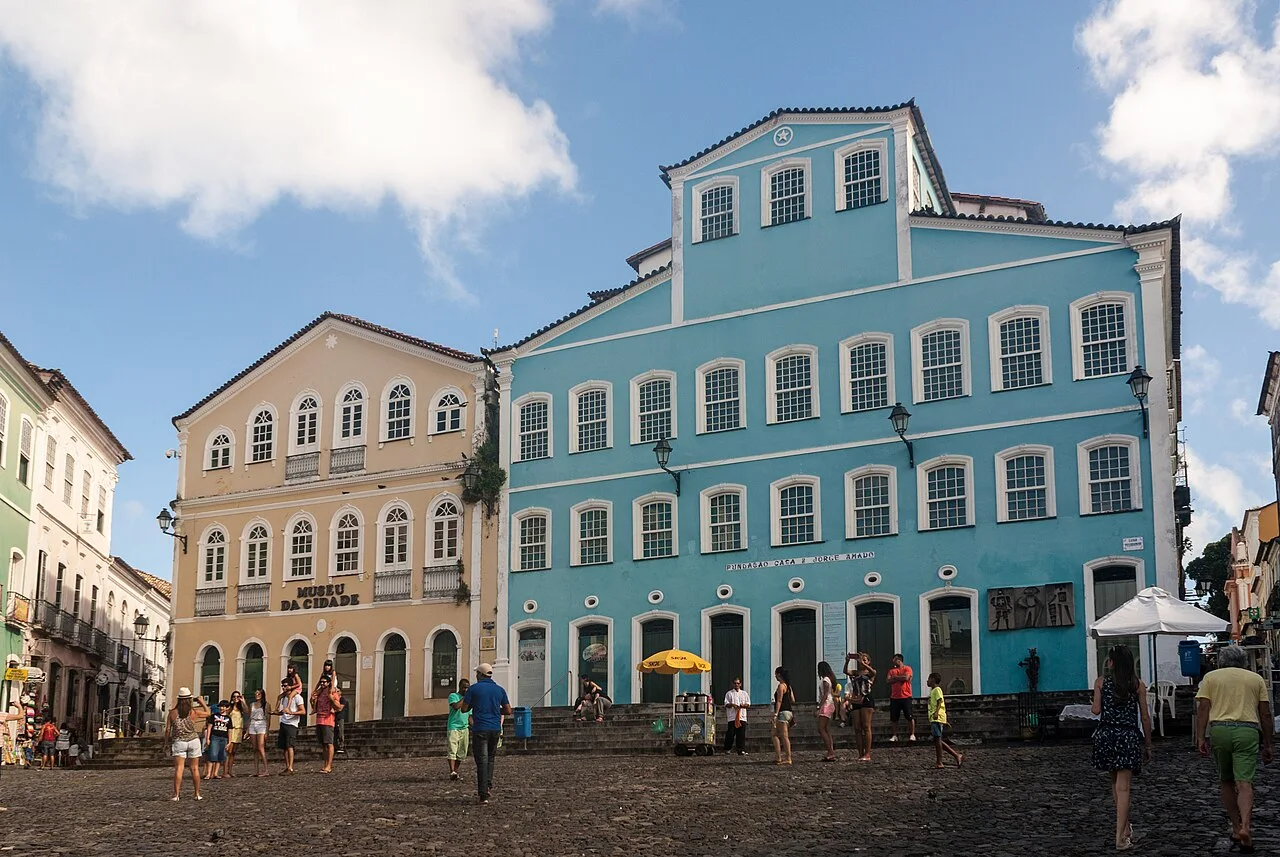
Salvador’s historic centre is recognised by UNESCO, which highlights its buildings and colourful houses as well as its role as Brazil’s first capital. That history was closely connected to colonial exploitation and slavery. Remembering this prevents Pelourinho from becoming merely a cheerful backdrop: architectural beauty exists alongside a history that deserves careful explanation.
Begin with a manageable walk through public spaces and notice the relationship between squares, streets and façades. Gradients and paving matter when deciding how much to cover. You do not need to enter every building or purchase a tour impulsively. If you want a guide, check accreditation, agree on language and duration, and ask which subjects the walk addresses beyond the best-known photography points.
This is a living urban neighbourhood. Ask before photographing people, performers or religious practices, and establish conditions when somebody offers a professional activity. Music in a photograph or video does not mean a performance takes place every day. Leave room to discover what is actually happening during your visit rather than requiring the city to reproduce a promotional image.
Seek current advice from your accommodation or tourist information about approaches and transport. Select arrival and return points, carry what you need and avoid assuming all nearby streets have identical conditions. Plan a meal and rest break. A well-explained walk of manageable length is usually more rewarding than attempting every corner while the group becomes tired and stops paying attention.
Senhor do Bonfim: visit a place of devotion
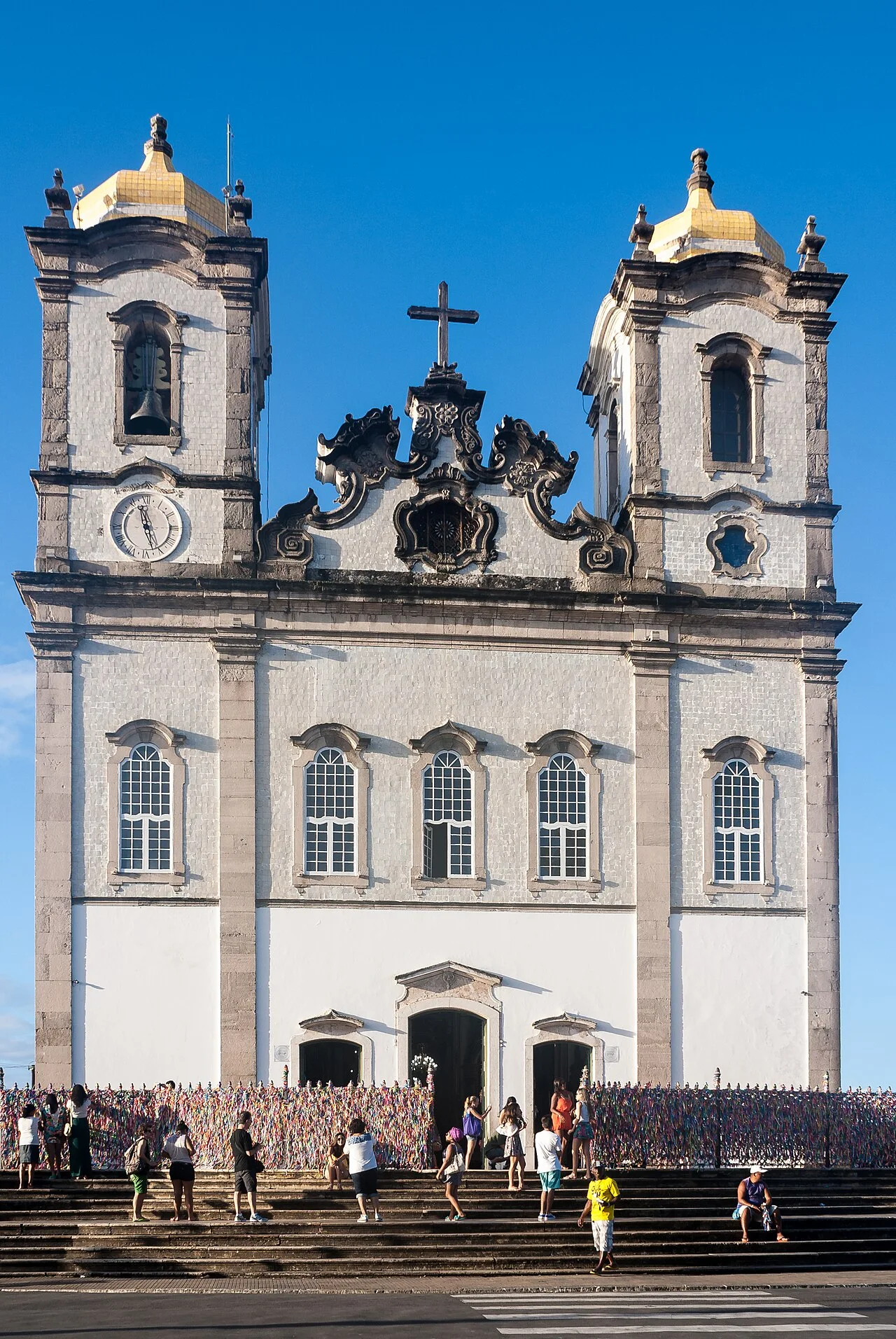
The Basilica of Senhor do Bonfim is a place where Salvador’s religious dimension becomes particularly visible. Its familiar ribbons belong to traditions and beliefs described by the city’s tourism information through their history and cultural connections. They are not simply colourful photography props: for many people they express devotion, promises or the memory of a visit.
Approach with respect for the way the site is used. During a celebration, observe without obstructing entrances or treating prayer as a tourist performance. Ask when interior visits are permitted and which areas are available. A public ceremony is not automatic permission to photograph every participant. A respectful conversation with someone responsible for the site can be more informative than copying gestures from a sightseeing checklist.
The ribbons provide a starting point for learning about connections between Catholic and Afro-Brazilian traditions discussed in Salvador’s tourism material. That does not mean everybody shares identical beliefs or interprets colours in the same way. Describe explanations as cultural traditions rather than guarantees that a wish will come true. Participation in a ritual is not required for an attentive and respectful visit.
If buying a souvenir, establish the price first and choose deliberately what to take home. Do not remove ribbons or other objects from the surroundings. Treat Bonfim as its own itinerary block, with realistic travel time from your accommodation and back. Combining it hurriedly with Pelourinho and Barra may leave only minutes at each, precisely where time to pause would be valuable.

Barra Lighthouse: connect the sea with navigation history
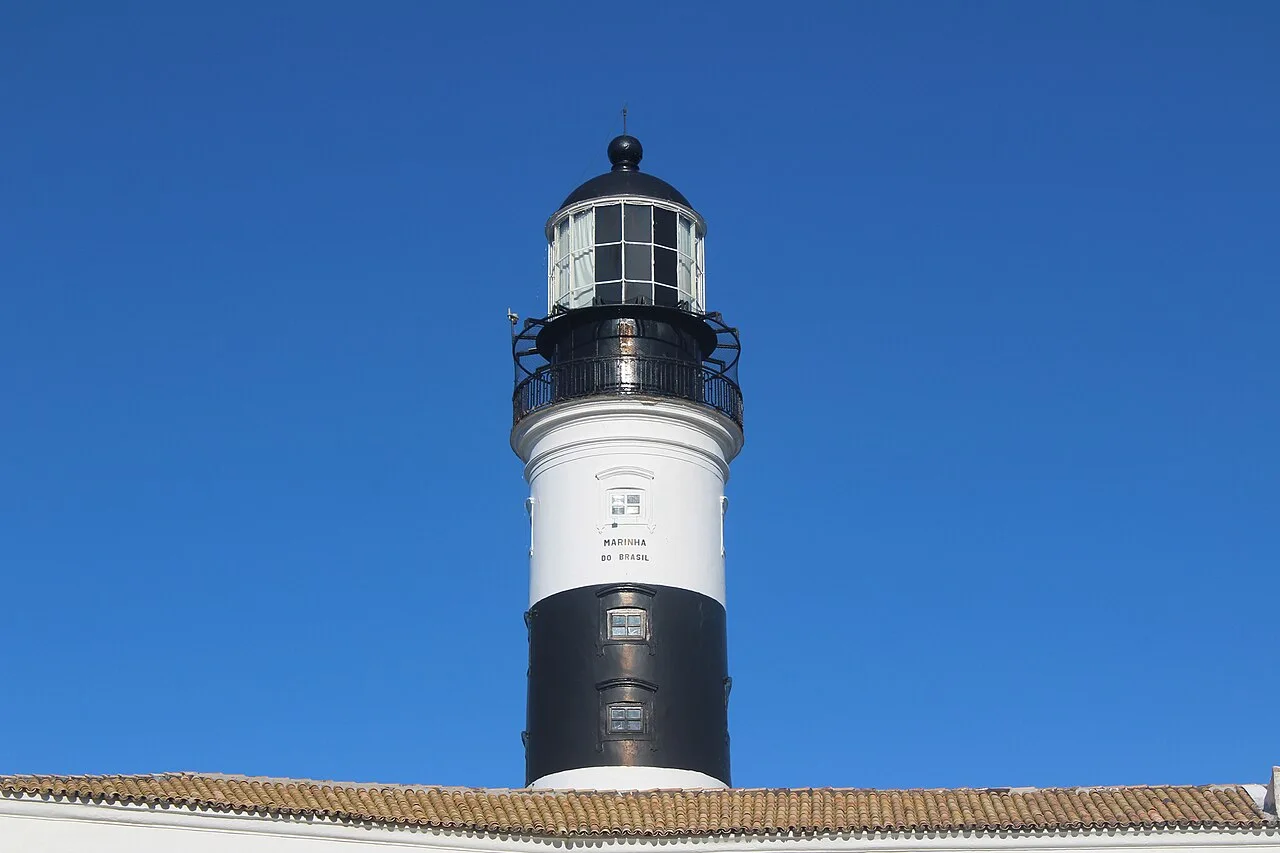
Barra Lighthouse forms part of the Forte de Santo Antônio da Barra. The local tourism description explains that Bahia’s Nautical Museum occupies the fort and displays underwater archaeological finds, navigation instruments and models of vessels. This suggests two related experiences: observing the ensemble from outside and entering the museum if maritime history interests you.
Before paying, check what current admission includes and whether any section has separate conditions. A museum ticket should not be assumed to provide access to every part of the lighthouse. Inside, consider how instruments helped people navigate and what recovered objects reveal about trade, seafaring and daily life. The relationship with the bay provides context for the landscape you have just seen outside.
The exterior is worth time even if you skip the collection. Change viewpoints to understand the fort’s shape and its position beside the water, remaining in permitted areas. Sunset can be appealing, but depends on the sky and need not be the only reason to visit. Architecture and maritime views can be enjoyed under different light without making the entire day depend on one precise moment.
With children, combine a focused museum visit with a break outside instead of expecting equal attention at every display case. Check specific routes and accessibility before buying admission if anyone has mobility difficulties. This guide develops the lighthouse and museum rather than recommending a swimming location: sea conditions require a separate assessment and up-to-date local advice.

Arrange the stay by area rather than by photograph
Pelourinho, Bonfim and Barra do not form one compact walking circuit. Give each day a principal area and compare the actual journey from your accommodation. With hired transport, clarify the meeting point, waiting arrangements and return trip. With only two days you can combine visits, but first calculate how much meaningful time remains at each after travelling.
Include breaks and protection appropriate to the forecast. Comfortable walking, access to water and a straightforward return plan matter more than achieving a fixed number of pictures. Check official programmes and specific conditions for cultural or religious activities; do not reuse dates from an old celebration. The photographs in this guide document real places but are not advertisements for currently scheduled events.
A route to get you started
- Day 1: explore Pelourinho with a historical focus, observing public spaces and façades. If hiring a guide, ask for an explanation that includes colonial and Afro-Brazilian history. Keep time for food and return using an approach you have already considered rather than improvising when tired.
- Day 2: give Bonfim a dedicated block and learn about the context of its traditions. Confirm interior access and adapt to religious activity. Leave the afternoon flexible for rest instead of turning the basilica into a hurried stop between several distant places.
- Day 3: see Barra Lighthouse from outside and decide whether to enter the Nautical Museum. Allow time to relate the collection to its maritime setting. If travelling onwards, do not depend on sunset to complete the day or reach an important transport connection.
Good to know
How do Pelourinho and Bonfim differ?
Pelourinho introduces the historic centre and its urban fabric; Bonfim focuses on a place of devotion and the traditions connected with it. They complement one another rather than offering the same experience twice. Separate visit blocks make it easier to appreciate the context and purpose of each.
Do I need to participate in ribbon traditions?
No. You can observe and learn without performing religious gestures or buying souvenirs. If participation interests you, ask respectfully and understand the practice as a cultural belief, not a sightseeing obligation or a promise of a particular result. Different people may relate to the tradition differently.
Is Barra Lighthouse worthwhile without entering the museum?
Yes. The exterior allows appreciation of the architecture and its relationship with the sea. The museum adds context about navigation and maritime heritage. Choose according to your interest, available time and access conditions; neither choice makes the other compulsory for every visitor.
Can all three places be visited in one day?
Some excursions may combine them, but transfers leave less time for understanding and pauses. This guide proposes three days for a more attentive experience. With less time, choose priorities and calculate the real journeys before committing to several activities in quick succession.
Salvador becomes more rewarding when architecture, historical memory and everyday life are considered together. Pelourinho, Bonfim and Barra open three different conversations about the city. Time to listen, respect for places of devotion and sensible transport arrangements make the visit richer than a collection of postcards.