

Porto becomes easier to understand when you stop treating it as a collection of viewpoints. The river explains one part of its story, while art and green space reveal another. This two-day route brings together Dom Luís I Bridge, part of the historic landscape recognised by UNESCO, and Serralves, a cultural estate with a museum, park and other spaces. Giving each its own day leaves room to look closely, rest and change plans when the weather turns.
The guide is designed for a short first stay, particularly if you have seen photographs of Porto but still need to work out the practical shape of your visit. It does not attempt to cover the whole city. Two clear anchors make space for hills, unhurried meals and the actual journey between places. Suggested durations are editorial estimates; check the linked sources for current exhibitions, access arrangements and ticket options before travelling.
Before you pack
- Suggested time
- Two days, adjusted to your pace
- Places in this route
- Two selected places
- Destination
- Porto
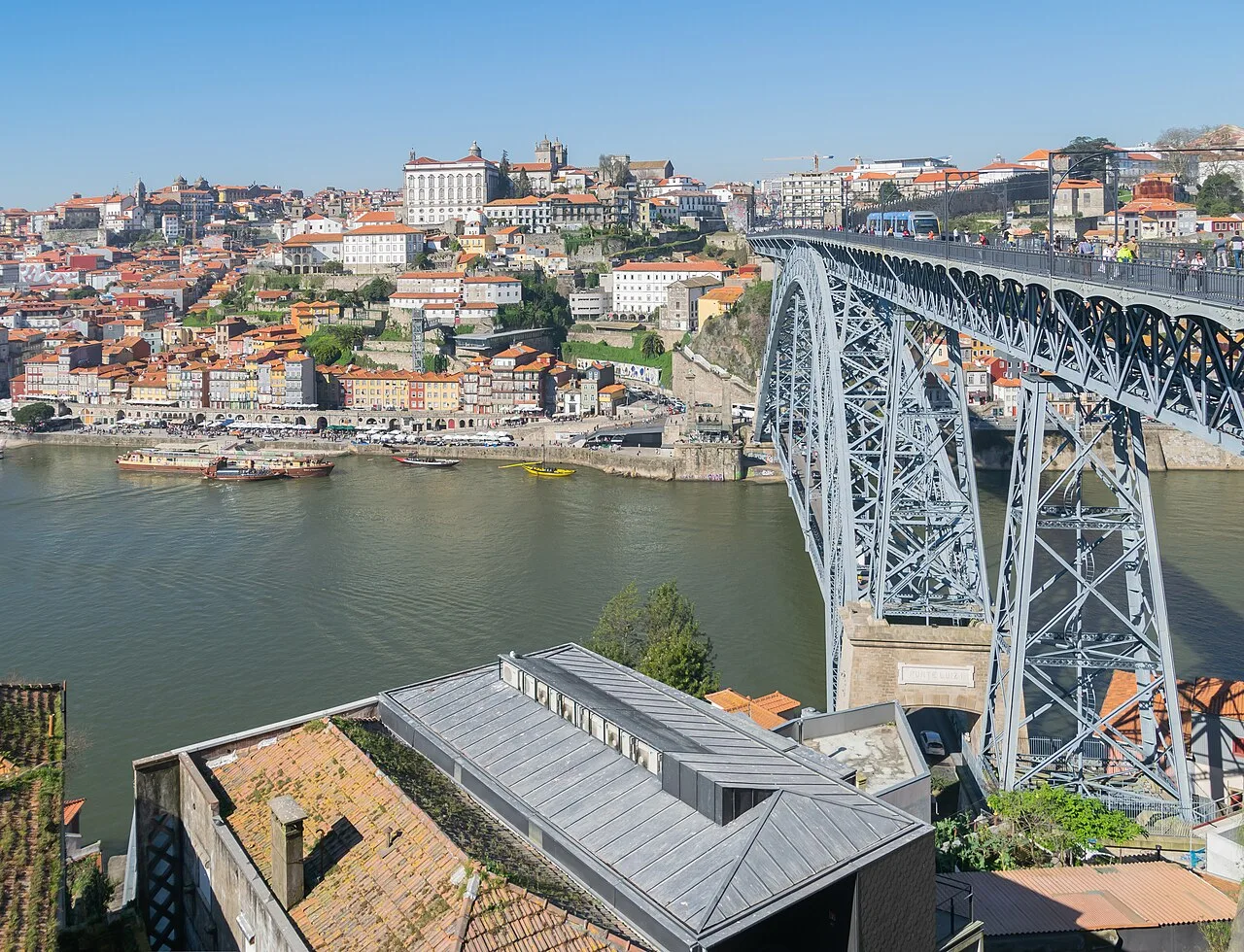
Dom Luís I Bridge: read the city through the river
UNESCO explicitly includes Dom Luís I Bridge in the Historic Centre of Oporto property. The structure is more than a convenient photographic subject: it connects your understanding of the river, steep changes in elevation and tightly packed buildings. The World Heritage description explains a city shaped by trade and connections with the sea. Looking at the bridge as part of that urban landscape is more rewarding than trying to reproduce a single familiar postcard image.
Before leaving your accommodation, identify your approach and the level at which you want to cross. The bridge has two decks at different heights, so two nearby points on a phone map may require a substantial climb or descent. If you have luggage, a pushchair or difficulty with steps, investigate the actual route and transport alternatives rather than relying on the horizontal distance. A shorter line on a map is not necessarily an easier walk in Porto.
For a first visit, allow a generous morning or afternoon block for the bridge and its immediate surroundings. Pause before crossing to see how the iron arch frames the scene, then look back from the opposite side. Changing direction helps make sense of the relationship between Porto and Vila Nova de Gaia. Follow the marked pedestrian areas, and move clear of circulation routes before stopping with a camera. The experience should not depend on finding an empty bridge.
Light varies with the season, clouds and the direction of your view. There is no need to build the entire day around sunset: a clear morning can make the waterfront buildings and river easier to study. In strong wind or rain, shorten the walk and avoid improvised shortcuts on slippery slopes. Keep children close near the crossing and resist stepping into traffic space to fit more of the structure into a photograph.
This part of the itinerary can also help contain spending. Enjoying the architecture and landscape does not automatically require a cruise, tasting or commercial package. If one of those experiences appeals, compare the precise meeting point, inclusions and duration before adding it. Our walking plan does not depend on a booking. With children, a simple observation game —spotting the two decks and identifying the riverbanks— can be more engaging than waiting through a long photography session.
Serralves: choose a balance of art and outdoor time
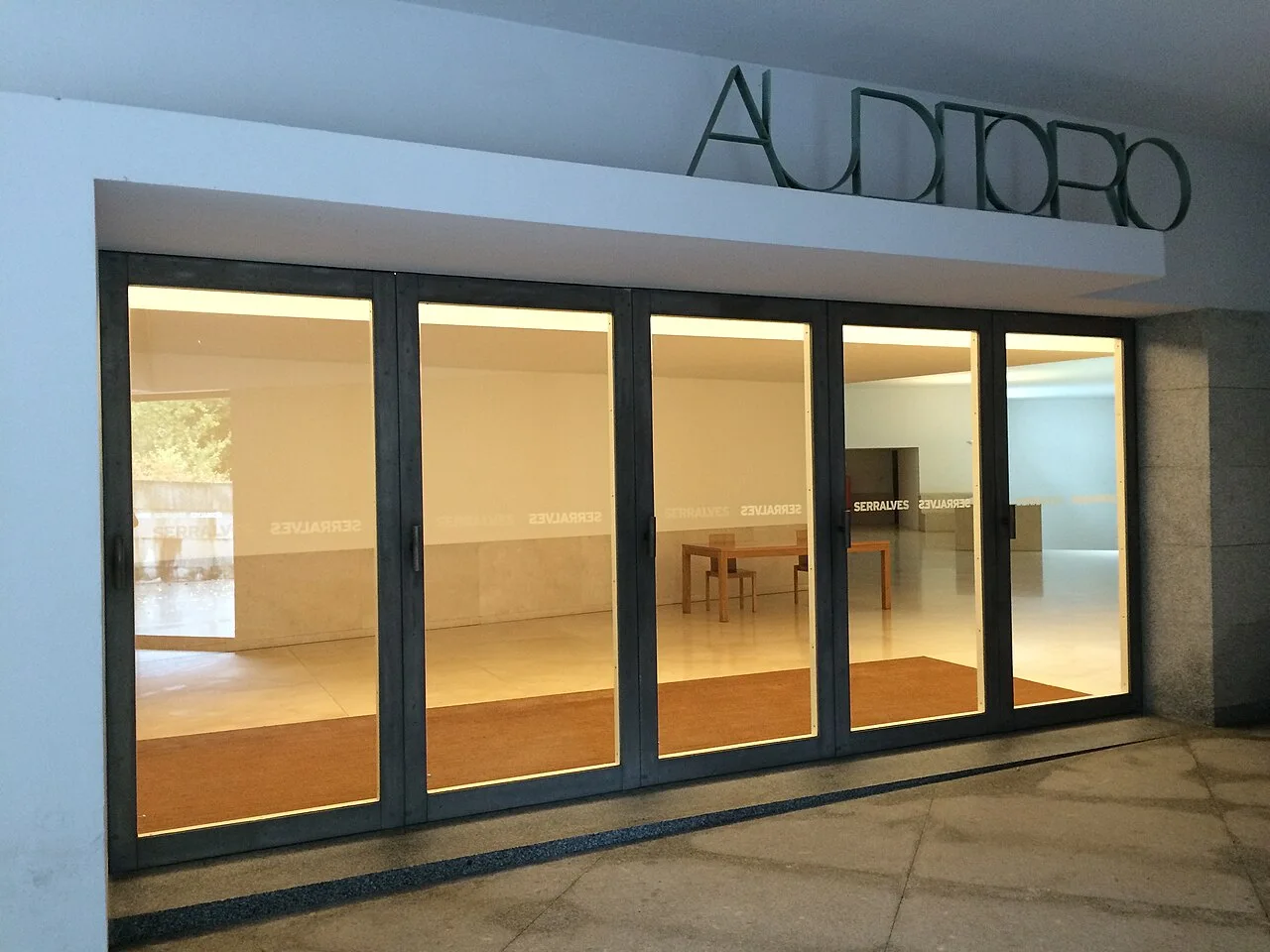
Serralves offers a useful change of pace after the riverfront. Its own website distinguishes the museum, park, villa and House of Cinema. That range is a reason to plan, rather than assume that every ticket covers every space or event. Read the current options and exhibition programme before buying. Decide whether contemporary art, outdoor time or a combination of both is the main reason for your visit, then choose the appropriate admission.
Make Serralves the centre of the second day instead of treating it as a brief stop between other appointments. Select an exhibition or part of the museum that interests you, with a separate block for the park if conditions suit and your ticket includes it. You do not need specialist knowledge to engage with contemporary art. Start with the materials, the way a work changes the room and the questions it raises; labels and gallery information can then supply the context.
Outside, use the estate map to choose a route that matches your energy and available time. The official programme lists activities and works across different spaces, but an event appearing on the calendar does not establish that it is included in your admission. Check special events individually. Equally, a photograph from a previous exhibition is not a promise that the same work remains on display. Temporary programmes are part of the appeal, and part of the planning responsibility.
For families, alternate short periods of looking with breaks outside the galleries, and see whether the date offers suitable activities for the children's ages. Visitors with mobility requirements should ask about their intended route, not just general building accessibility. Access to a museum entrance does not necessarily describe every path in a park. Comfortable footwear remains useful even on an art-focused day, while staff guidance will clarify where coats or larger bags should be left.
Several hours is a sensible allowance if you want to enjoy both art and landscape; it is a pacing suggestion rather than an official visit length. Work out the outward journey from central Porto and the return to your accommodation before departing. Booking a meal or train immediately after the museum can remove the most enjoyable part of the afternoon: time to revisit a room, take an additional short walk or sit quietly after looking at art.

Practical planning: hills, weather and the real cost
Separating the bridge and Serralves gives each experience the time it needs. The first day is shaped largely by walking and outdoor conditions; the second depends on cultural opening arrangements and the admission you select. Swap the order if the forecast changes and the museum's availability allows it. A timed booking should anchor the day, while an outdoor walk can usually be arranged more flexibly around it.
When choosing accommodation, check the real approach from the station or stop you expect to use. The word central does not tell you how much climbing is involved when you return tired. Save an offline map, your accommodation address and ticket confirmations. If you plan to use public transport, confirm current fares, validation rules and connections with the operator. Nothing in this itinerary requires you to buy a particular tourist pass.
Budget for accommodation, food, the journey to Serralves and the admission you actually want. Add some flexibility for a different transport choice if it rains or someone needs a shorter walking day. Before buying a package, total only the activities you genuinely intend to use. A long list of discounts can look impressive without saving money on this specific route. The photographs show real locations, but do not establish current construction conditions, exhibition availability or the weather you will encounter.
A route to get you started
- Day 1: spend the first part of the day at Dom Luís I Bridge, looking at the structure and the landscape from both sides. Decide on your access level beforehand, take a proper meal break and leave the afternoon flexible. There is no need to repeat the crossing for a photograph if visibility has deteriorated.
- Day 2: arrive at Serralves for the time on your ticket, begin with the exhibition that most interests you and allow outdoor time if the park is included. Leave enough margin to collect luggage or continue your journey without turning the final hour into a rush.
Good to know
Is two days enough for a first visit to Porto?
Two days works for the two main experiences described here, provided you do not try to add the entire city around them. Allow extra nights if you want a much broader museum programme or excursions. This is a manageable introduction, not a claim that Porto can be completed in a weekend.
Should I book Serralves before travelling?
Check the official ticket shop for your intended date and compare the different inclusions. Programmes and ticket types can vary. Confirm whether your chosen admission specifies a time, what spaces it covers and whether changes are possible if your wider travel plans move.
Is this a suitable itinerary for reduced mobility?
It needs individual adaptation. Porto's river setting involves changes in elevation, and Serralves offers several possible indoor and outdoor routes. Ask about specific entrances, surfaces and transport alternatives. A short walking distance alone does not establish whether a route will work for you.
What should I do if the weather is wet?
Give priority to the available indoor parts of Serralves and shorten the bridge walk when conditions are uncomfortable. Check local guidance as well as the forecast. Do not assume that your ticket includes every covered space on the cultural estate or guarantees access to a special event.
A rewarding short visit to Porto changes scale: the broad Douro landscape first, followed by the slower attention of Serralves. Two well-paced days, an appropriate museum ticket and realistic routes give you contrasting views of the city without making every hour an appointment. Leave enough room to notice what draws your attention once you arrive.