

Two complementary experiences offer a useful introduction to Ottawa: the engineering and landscape of the Rideau Canal, and the art held by the National Gallery of Canada. This two-day route gives both proper attention without confusing an urban view of the canal with unrestricted access to all its facilities. Seasonality changes the experience substantially, making outdoor access conditions as important as choosing a museum ticket.
When this guide was prepared on 31 October 2026, Parks Canada reported that lockstations had closed for the season and that the historic site was not maintained during its closure period. If you are travelling now, read the notices and use only urban areas confirmed to be open and maintained. We do not recommend entering closed facilities. The gallery forms the second cultural anchor, subject to its current programme and admission arrangements.
Before you pack
- Suggested time
- Two days, adjusted to your pace
- Places in this route
- Two selected places
- Destination
- Ottawa
Rideau Canal: understand the history and the seasonal limits
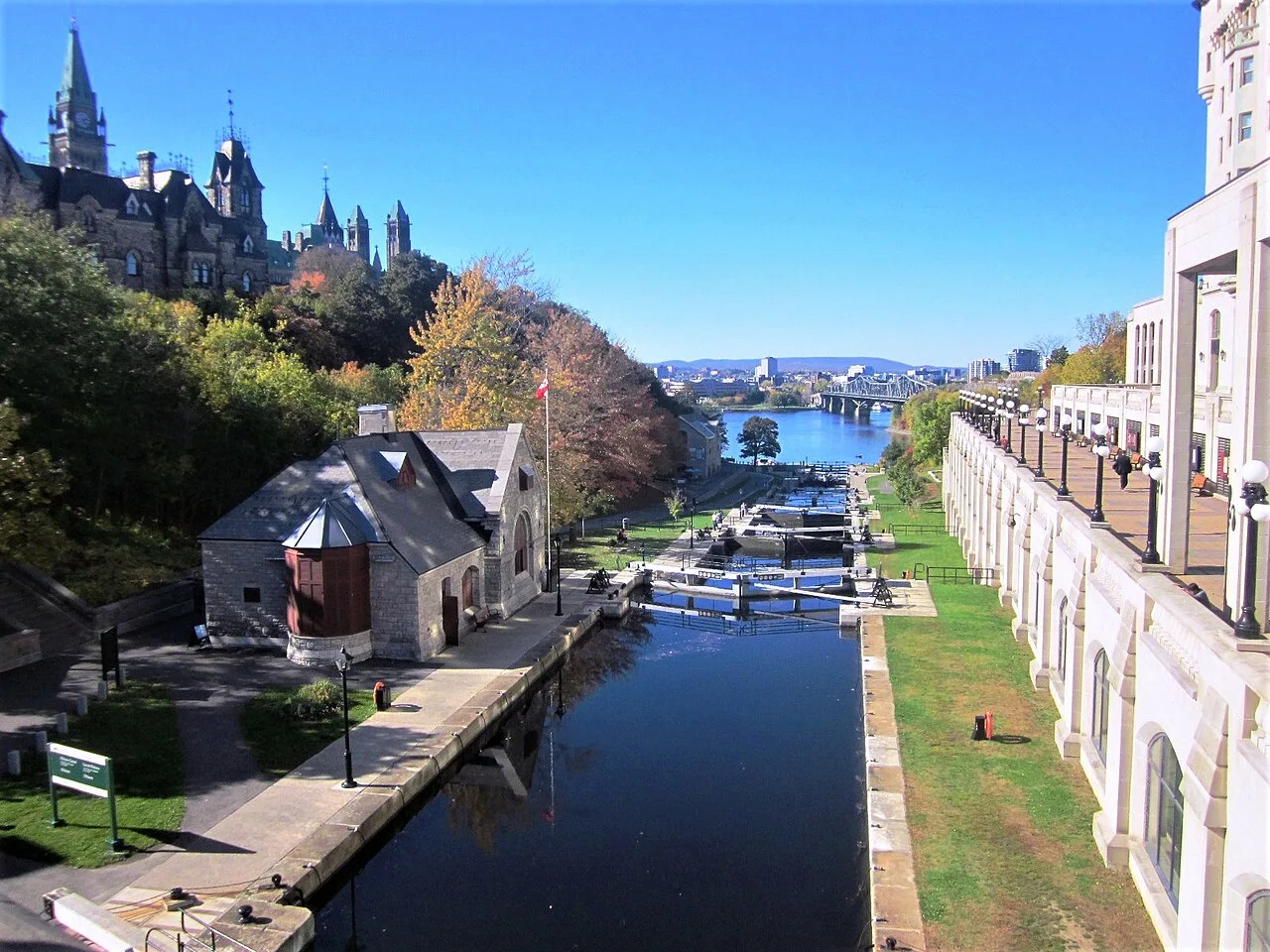
The Rideau Canal follows a 202-kilometre route between Ottawa and Kingston, according to Parks Canada. The agency describes a historic canal that retains much of its original infrastructure and continues along its original alignment. That scale matters: the part visible in Ottawa is an introduction to a much larger system, rather than the whole of a short attraction you can completely explore in an hour.
For a first visit to the capital, focus on how the canal relates to the city and how locks overcome differences in level. During the operating season, watching the system work can add context, but that depends on the calendar and actual activity. A photograph with water and boats does not establish that navigation will be possible during your trip. Check lockstation status and construction notices before leaving your accommodation rather than relying on a general description.
The official notice consulted for this guide states that the historic site is closed from Thanksgiving to Victoria Day, approximately mid-October to mid-May, and is not maintained during that period. It also warns about wet leaves, ice, snow and potentially unmarked hazards. If you visit during closure, do not descend into closed facilities or interpret the absence of a barrier as permission. Plan any observation from urban spaces whose opening and maintenance have been confirmed locally.
Winter requires a further distinction. Seeing ice on the canal does not mean it is open for walking or skating. Its appearance cannot establish load-bearing strength, and a photograph from another season is not authorisation. If skating is your reason for travelling, check the official opening status of the relevant area and follow its instructions. This guide neither promises a skating season nor recommends trying an unopened section independently.
When conditions allow a walk, choose a short section and a clear turning point. Wear footwear appropriate to the surface and avoid looking continuously at a screen near drops or the water. With children, observing gates from a permitted position can help explain how boats change level without requiring a long technical tour. If access is limited, a brief look at the landscape and the official interpretation is better than forcing a route through spaces not prepared to receive visitors.
National Gallery of Canada: follow a theme through the collection
The National Gallery of Canada shifts attention from infrastructure and landscape to ways of representing the country. Ottawa Tourism highlights Canadian art, including works by the Group of Seven, alongside Indigenous, Asian and international collections and photography. This does not mean that every work belonging to a collection is on display simultaneously. Check the programme and what is actually available during your visit before planning around a particular artwork.
Use the gallery's own website for current opening arrangements, admission, exhibitions and accessibility. Tourism information helps explain the kind of institution you will encounter, while a real booking should depend on the operator's present conditions. We do not repeat a summer promotion as though it remains valid in autumn. If you find a special rate, examine its dates, age requirements, documentation and whether a temporary exhibition is included.
A productive approach is to choose a thread: landscape, portraiture, photography or one exhibition that catches your attention. Use the floor plan and staff advice to locate it, then spend time with a manageable number of works. Look first, read the label and look again. That simple change of pace usually provides more than moving through every room without remembering an individual piece. You can add another section if energy and interest remain.
With work by Indigenous artists, pay attention to the named artist, community and context provided by the institution rather than reducing distinct traditions to one decorative category. Landscape images also invite questions: what is shown, what lies outside the frame and whose perspective shaped the view? Those questions can turn an attractive scene into a conversation about place. You do not have to arrive with expert answers to make the visit thoughtful or enjoyable.
For children, select a few works and alternate looking with breaks. The tourism office mentions creative activities, but their general existence does not guarantee a session at your preferred hour or on your travel date. Check the calendar and participation arrangements. Deal with coats, bags and food according to current gallery rules before beginning, so that the visit is not interrupted immediately by practical needs that could have been anticipated.
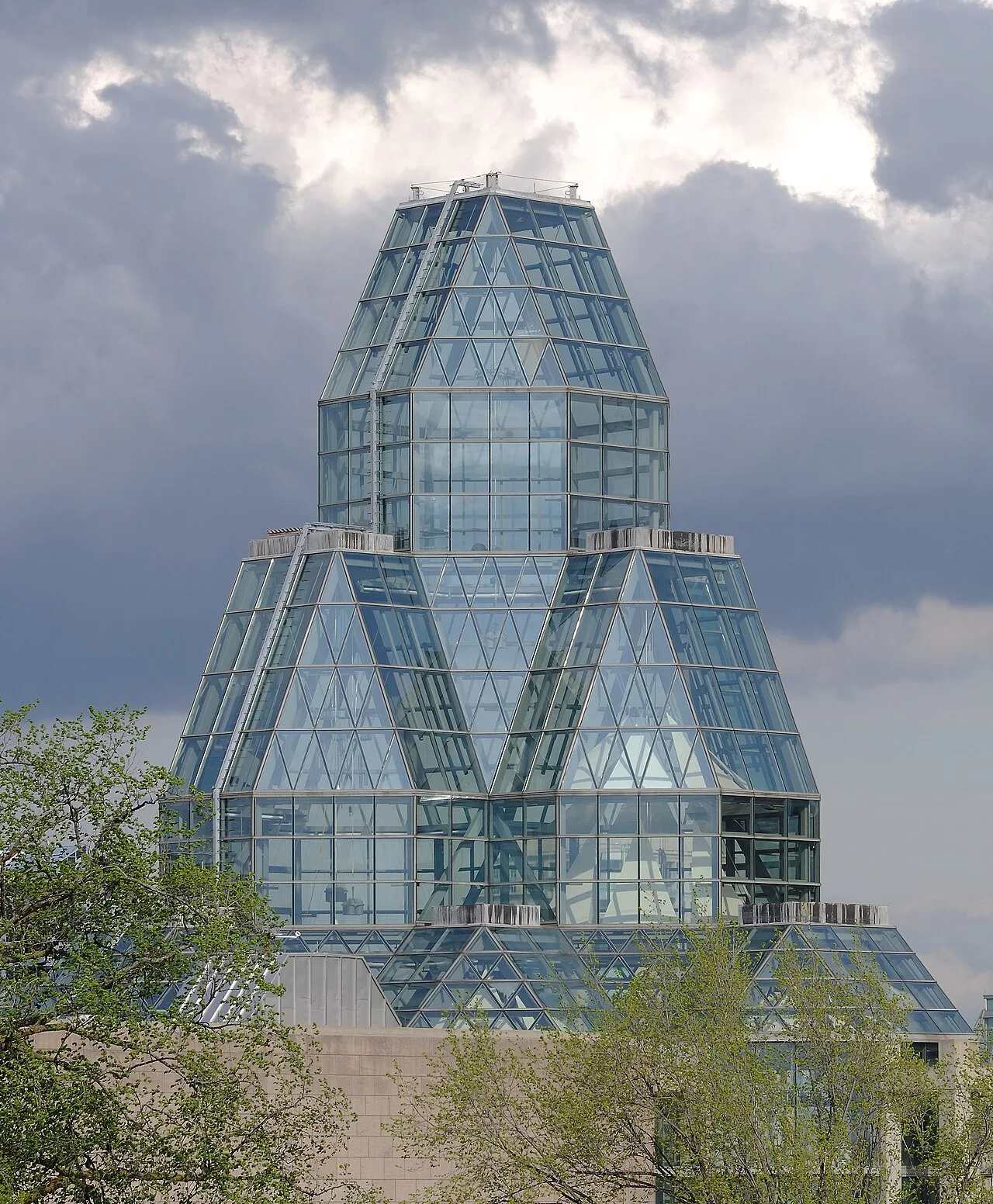
Allow several hours if art is a priority and keep some time to return to a room. That is a pacing recommendation rather than an official duration. The photograph in this guide depicts a detail of the building's glazed exterior structures; it does not show an exhibition or establish access to a particular gallery. Architecture and collections can both be rewarding, but they are different aspects of the visit and should be planned as such.

Let actual conditions determine the order of the weekend
The season should influence how you divide the two days. If the canal has closures or uncomfortable conditions, shorten the outdoor block and give the gallery more attention, provided its opening arrangements and your admission permit it. Do not reserve an indoor activity on the assumption that it can be moved without checking. The aim is a comfortable cultural visit, not completing a walking distance simply because it appeared in an initial plan.
When choosing accommodation, compare connections to the gallery and the permitted urban canal viewpoints as well as your arrival point. A property described as near the water may still be inconvenient for the access you will actually use. Save precise addresses and check transport, fares and service changes before setting out. If step-free mobility matters, ask about specific routes both within the museum and in the outdoor environment rather than relying on a broad accessibility label.
Build your budget in Canadian dollars and leave room for an alternative transfer if conditions change. When comparing prices, review the final total and purchase terms. An attraction bundle is not required for this proposal. A well-chosen admission, straightforward journey and suitable clothing may provide more comfort than adding activities that oblige you to move around when the weather makes that unpleasant. A shorter outdoor experience can still be worthwhile when it is planned realistically.
A route to get you started
- Day 1: begin by checking Rideau Canal notices. If suitable urban sections are open, take a short walk to understand the canal's relationship with the city while respecting historic-site closures. If conditions are unsuitable, do not force the route or step onto ice that has not been officially opened for use.
- Day 2: give the main block to the National Gallery of Canada. Choose a theme or exhibition, look carefully at selected works and arrange breaks. Keep the end of the day flexible for rest or your return journey rather than adding a booking that forces a hurried exit from the collection.
Good to know
Can boats use the Rideau Canal in every month?
No. Parks Canada publishes a navigation season and operational notices. At the late-October 2026 research check, the lockstations had already closed for the season. Consult information for your year and intended section before planning any activity on the water or expecting to watch boats pass through locks.
Is the canal always available for winter skating?
No. Visible ice does not establish that an area is open or safe. Skating requires checking the relevant official opening status and following local instructions. Never enter closed sections or treat a tourism photograph as evidence of present ice conditions.
What can I see at the National Gallery of Canada?
Its holdings include Canadian, Indigenous and international art and photography, among other collections. What is displayed changes. Check the programme to identify the rooms or exhibitions that interest you and establish whether they require different admission from the ticket you are comparing.
Does this itinerary work for a bad-weather weekend?
It can be adapted, depending on gallery opening and the conditions affecting each outdoor route. Reduce outdoor time when appropriate and do not interpret two days as a requirement to split them evenly. Confirming access is more important than preserving the original order of the plan.
The Rideau Canal and National Gallery introduce Ottawa through landscape, engineering and art. The best decision changes with the season: respect closures, choose the interiors that interest you and leave room to adapt the walk. That flexibility turns two days into an informed, enjoyable cultural visit rather than a fixed programme that ignores conditions on the ground.