

Nara can be a day trip from another Japanese city or a stay with more time of its own. Either way, a first route becomes clearer when it concentrates on Todaiji, Kasugataisha and the park linking their surroundings. The point is not to work out how many temples fit before the return train. It is to distinguish a major Buddhist complex, a Shinto shrine and a public landscape that is also home to wild animals.
We suggest a flexible day without implying that every interior is included or that the walking is equally suitable for everyone. Official tourism information and the temple’s own access guidance help you understand the places and prepare the arrival. Check notices for your actual date and choose admissions that interest you. If a slower pace would suit your group, spreading the route out or staying overnight in Nara is also a reasonable choice.
Before you pack
- Route
- One day · three places
- Country
- Japan
- Focus
- A first visit at your own pace
Todaiji: understand the scale before approaching the Great Buddha
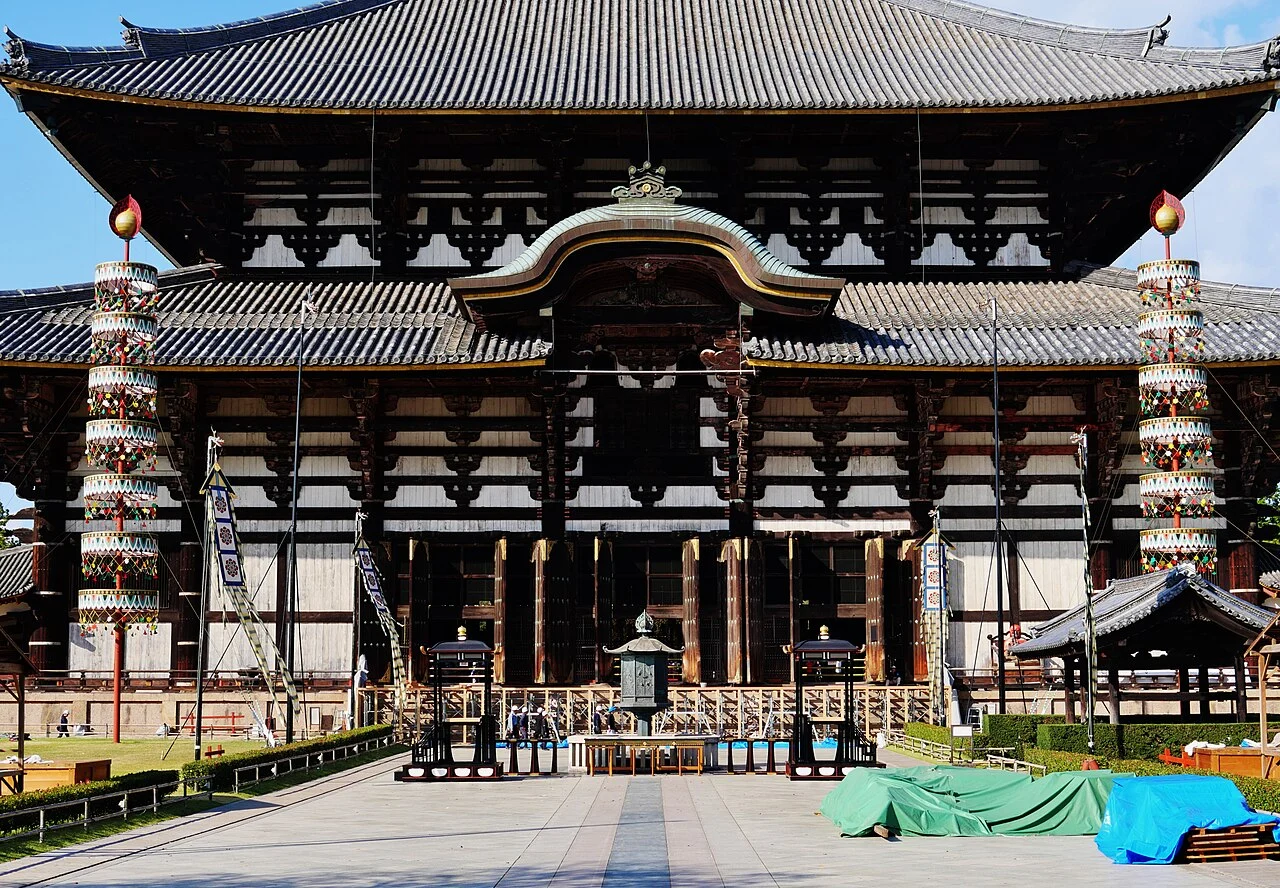
Todaiji is a Buddhist temple whose origins official information places in the Nara period, associated with Emperor Shomu. The approach through Nandaimon, the Great Southern Gate, introduces the scale of the complex before you reach the Daibutsuden, or Great Buddha Hall. Notice the approach and the gate’s guardian figures rather than rushing past as though they merely mark the beginning of a queue. These parts help prepare your understanding of the space beyond.
The bronze Great Buddha is the focus of the hall visit, but it should not erase the architecture around it. Nara’s official guide also points out the octagonal bronze lantern in front of the building and models that help explain the complex. Use those elements to compare dimensions and understand the arrangement of spaces. A temple’s original foundation story does not mean every visible structure has retained precisely the same appearance ever since that early period.
Todaiji’s own access information distinguishes JR Nara from Kintetsu Nara and describes bus approaches, including stops such as Todaiji Daibutsuden / Kasuga Taisha-mae. Save the station and stop you will actually use: these are not interchangeable references. Check the whole journey and current transport information, especially if you intend to return to another city afterwards and want to avoid a needlessly tight connection. Planning the return belongs at the beginning of the day, not just its end.
The grounds offer more possibilities than one glance can cover. The tourism office mentions Nigatsudo and the path continuing towards Kasugataisha, but adding every dependency takes time and can involve changes of level. This guide’s main proposal is the Great Buddha sector and an understanding of the overall complex. Choose additions according to your energy and confirmed access conditions. A shorter route observed carefully can be more rewarding than moving between buildings without stopping to understand them.
Kasugataisha: forest paths, lanterns and a different tradition
Kasugataisha is not another name for a Todaiji temple: it is a Shinto shrine with its own history and character. The tourism office describes an approach through trees accompanied by stone lanterns. That transition is part of the experience, rather than dead time before the main building. Look at the route and at changes between vegetation and architecture instead of judging the entire place solely by the most familiar photograph of its principal structures.
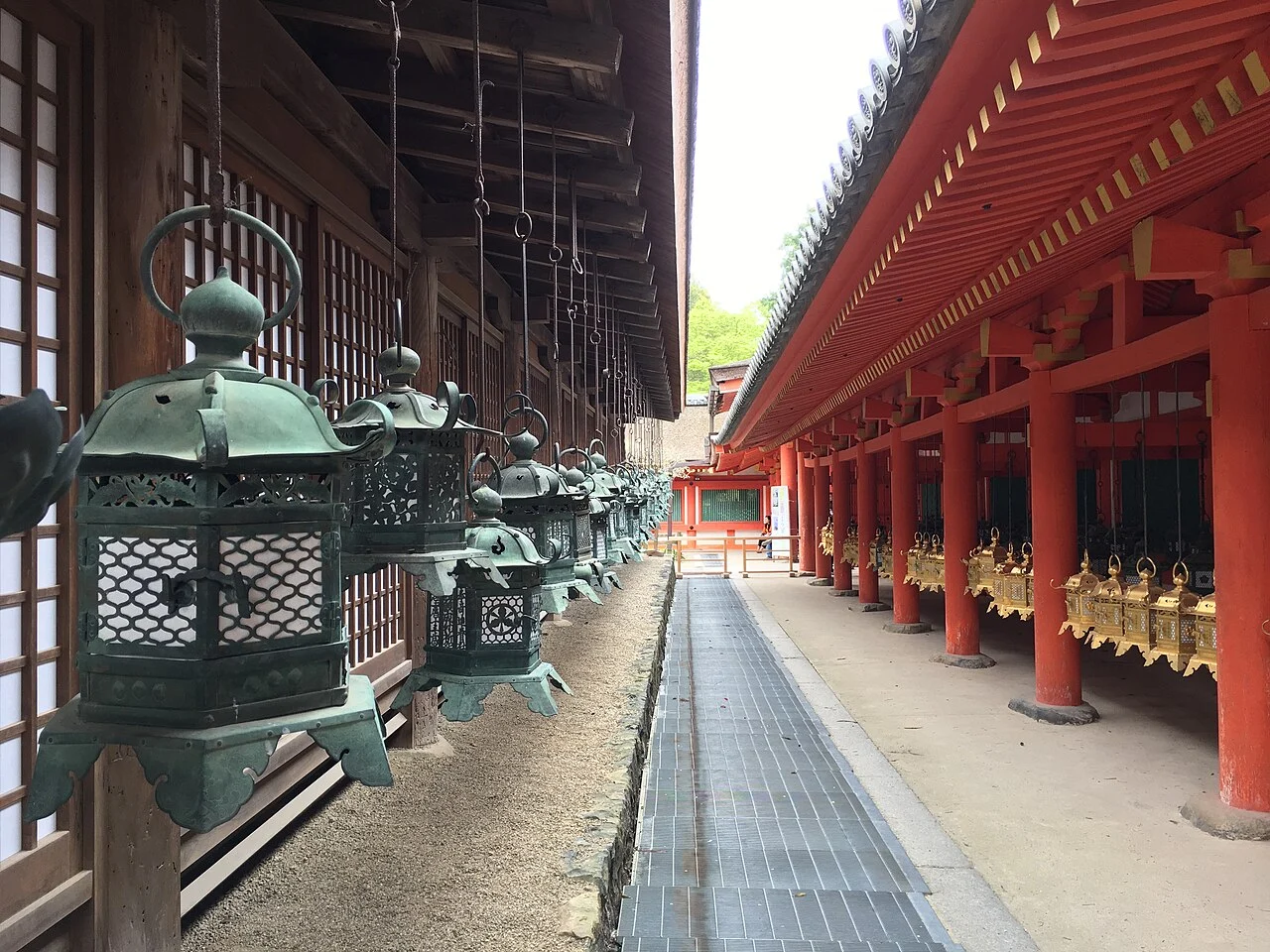
Vermilion columns, pale surfaces and corridors hung with bronze lanterns distinguish the shrine. The official source associates it with the Fujiwara family and dates its establishment to 768. Those points are enough to place a first visit in context without memorising an entire genealogy. Notice the contrast of materials and the way the lanterns organise the corridor. A close architectural detail can explain as much as a sweeping view when you give it time.
Do not assume that every lantern stays illuminated or that every part of the shrine belongs to general access. The official guide describes areas with their own arrangements and particular celebrations that do not happen every day. Check the scope of the visit you select. A festival photograph does not promise the same atmosphere on an ordinary afternoon, and this route does not announce lighting dates for a specific year without further verification from the responsible organisation.
This section’s photograph shows a real lantern-lined corridor rather than a reconstruction of a ceremony. In religious spaces, follow the instructions on movement and photography and avoid blocking other people while repeating a shot. Todaiji and Kasugataisha belong to different traditions; a practice you encounter at one should not automatically become a universal rule for the next. Read the information communicated by each site and ask when something about the visit is unclear.

Nara Park: walking through a shared landscape with wild animals
The park is both a connection and a visit in its own right, rather than simply the gap between two buildings. Official information places it east of Kintetsu Nara and also describes the approach from JR Nara through the Sanjo-dori area. Locate the point where you arrived and the one you will use for leaving. This area contains different paths and precincts, so it should not be imagined as one completely uniform walking surface.
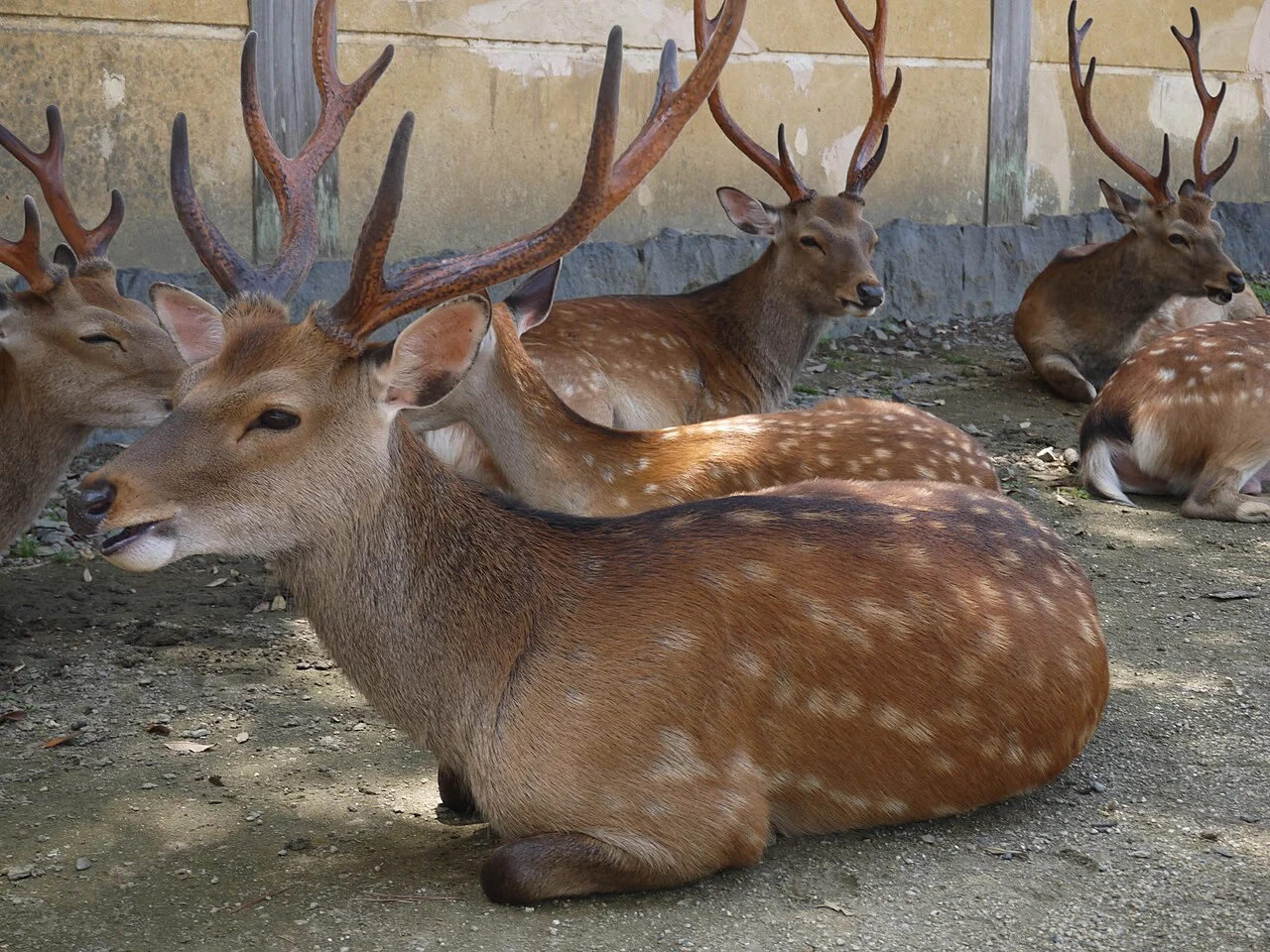
Nara’s deer are protected wild animals even when they are accustomed to people nearby. The tourism office identifies the special shika senbei crackers as the permitted food for visitors who choose to feed them and asks that other products are not offered. Feeding is not required for observing them. A pause at a distance, without chasing an animal or drawing it into position for a photograph, is another way to enjoy the encounter and the surrounding landscape.
The same source warns that some deer can approach insistently and that small children may feel overwhelmed. Do not tease them or try to hold them, and avoid turning the encounter into a competition for the closest picture. Keep maps, bags and human food under control and follow notices displayed in the park. When travelling with children, agree how to observe beforehand rather than improvising instructions when animals are already surrounding the group.
You do not need to locate a particular number of animals or recreate the exact scene in this guide’s photograph. Population figures change, and a picture documents one moment rather than a guaranteed distribution of wildlife. Separate observation time from the time needed to walk towards your next entrance. Having a margin lets you step away from the busiest movement without leaving authorised paths or entering spaces that serve a different purpose.

Prepare the arrival and leave room for the return
Before setting out, establish whether you will arrive at JR Nara or Kintetsu Nara and save the route to your first place. Todaiji’s official website publishes transport options, while the tourism office explains the park’s relationship with both stations. Avoid treating a single journey screenshot as a guaranteed door-to-door time: connections, waiting and the precise point where you start walking can change the result. Select a workable return connection rather than simply the last one available.
Choose at least one proper break that does not depend on buying another admission. Distribute the day among the Great Buddha, the approach to Kasugataisha and the park, keeping a clear margin for the correct station. A saved route helps, but signs and current notices take priority over an old map image. Ask separately about the accessibility of each interior. Being able to follow part of the park does not establish that every building provides the same type of entrance.
A route to get you started
- Opening block: arrive at your chosen station and organise the approach to Todaiji. Explore the Nandaimon sector and take the Great Buddha visit you have confirmed, without immediately chaining it to another fixed reservation.
- Middle block: have a break, then continue towards Kasugataisha by a route that suits your circumstances. Distinguish walking paths and generally accessible spaces from any interior visit with separate arrangements.
- Final block: allow time for the park and deer observation without forcing an interaction. Begin the return before using every spare minute; the exit should match the station and service you actually intend to take.
Good to know
Are JR Nara and Kintetsu Nara the same station?
No. Official sources distinguish them and explain different approaches. Check which one matches your ticket and return journey, rather than assuming two services with Nara in their names arrive at the same place.
Do I have to feed the deer?
No. You can watch them without offering food. If you decide to feed them, official guidance specifies special shika senbei crackers and asks visitors not to tease or grab the animals.
Are Kasugataisha’s lanterns always illuminated?
Do not expect a festival scene on every ordinary day. The shrine has areas and celebrations with specific arrangements. Consult its current visitor information for the kind of experience you want to organise.
Is this route automatically suitable for reduced mobility?
Only a specific assessment of the paths and entrances can establish suitability. Park routes and building interiors are not a uniform experience; ask each site and organise transport and breaks around the group’s actual needs.
A day in Nara can connect architecture, history and landscape without becoming a race. The essential decisions are to distinguish the places, identify the arrival station and treat the deer as wild animals. With those points clear, Todaiji, Kasugataisha and the park provide a coherent first understanding of the city and enough interest to justify returning with more time.