

Choosing between the Argentine and Brazilian sides of Iguazú is not simply choosing two identical excursions. The parks protect one great landscape of water and forest from different perspectives, with separate entrances and admission systems. Three days allow a day for each side and another for Parque das Aves or unexpected changes. That margin is particularly valuable when the trip involves an international border, rain or altered walking routes.
This guide addresses a practical question: how to combine the visits without spending more time watching the clock than the waterfalls. UNESCO highlights the shared landscape and the lush vegetation supported by waterfall spray. No particular water level or complete set of open trails is promised; natural conditions belong in the planning rather than being treated as an inconvenience afterwards.
Before you pack
- Suggested time
- Three days, adjusted to your pace
- Places in this route
- Three selected places
- Destination
- Iguazú Falls
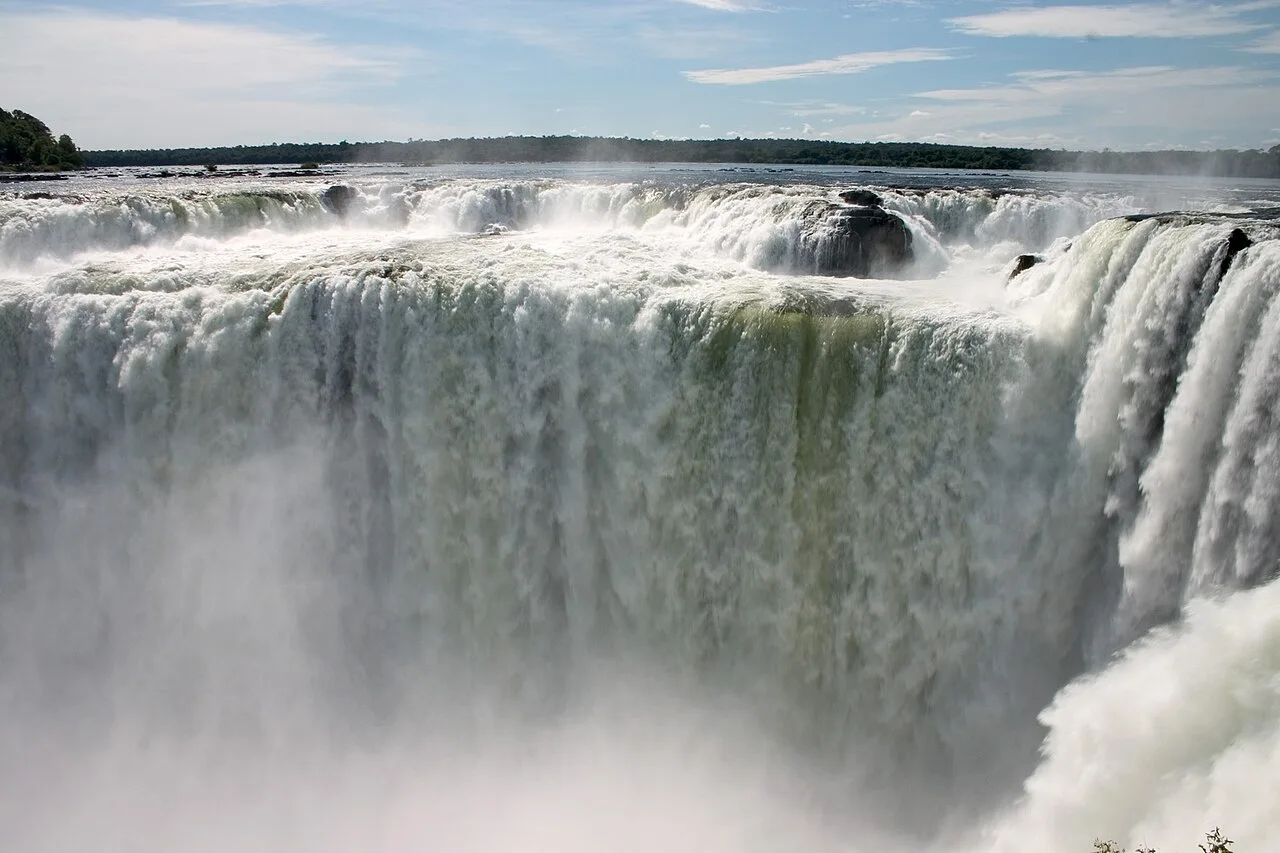
Argentine side: give Iguazú National Park a full day
Iguazú National Park lies in Misiones and protects Paraná forest as well as the waterfalls. The national parks authority describes an area much larger than its viewpoints. Giving it a full day allows attention to the forest, interpretation and the routes actually available. The goal should not be to hurry over every walkway simply to claim that you completed them all.
Consult the official map and visitor notices before choosing a sequence. A photograph of the Devil’s Throat or a particular walkway does not establish that access will be open during your stay. Closures associated with river conditions, maintenance or safety must be respected. On arrival, ask staff which options are operating and which suit your group’s mobility, stamina and interests.
The park authority asks visitors to respect the arrival time selected on their ticket. Purchase through the official link and check the correct category for each traveller before paying. Add time for checks and orientation inside the protected area to your transfer allowance. If companions walk at different speeds, agree on a rest point and avoid relying on the last possible service home as your only return plan.
Bring shoes with grip, rain protection and water, following the park’s recommendations. Protect documents and phones from moisture without becoming distracted while walking. Wildlife is another reason to notice the forest, but not a reason to approach, feed animals or lure them towards a camera. Maintain distance, keep belongings organised and use authorised rest areas for food rather than stopping on a narrow walkway.
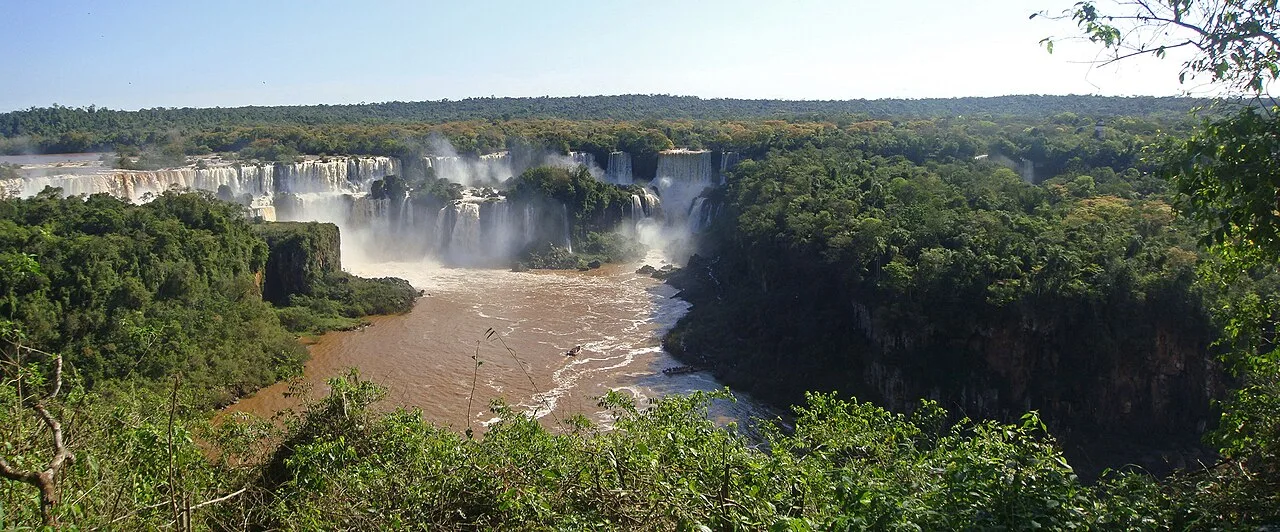
Brazilian side: read the same landscape differently
Brazil’s Iguaçu National Park shares a waterfall system with the Argentine park that UNESCO describes as exceptionally impressive. Visiting both sides allows comparison without treating either as merely a substitute. Plan the Brazilian visit as an opportunity to observe the broader arrangement of falls, river and vegetation, taking time to understand how the views connect.
Do not confuse Argentine admission with a Brazilian park ticket. Confirm the official sales channel for the side you intend to visit, the entry arrangement and services included. If a company sells transport or a combined excursion, request a written breakdown: transfers, admission and additional activities can be separate items. An apparently inexpensive offer may cover only one part of the day you imagined.
The international crossing requires checking current documentation and entry rules for your nationality, including permission to return to the country where you are staying. Use immigration or consular authorities rather than relying solely on a travel article. Travelling with children or a rental vehicle may require additional checks. This guide does not replace that process or claim that one document works for every visitor.
Leave a generous margin for the border and return journey. Even if an application shows a short distance between bases, it cannot guarantee processing time. Avoid scheduling a flight immediately after visiting the other country. Offline confirmations and clarity about who collects you, where and when are more useful than trying to arrange every movement to the minute.

Parque das Aves: make room for Atlantic Forest conservation
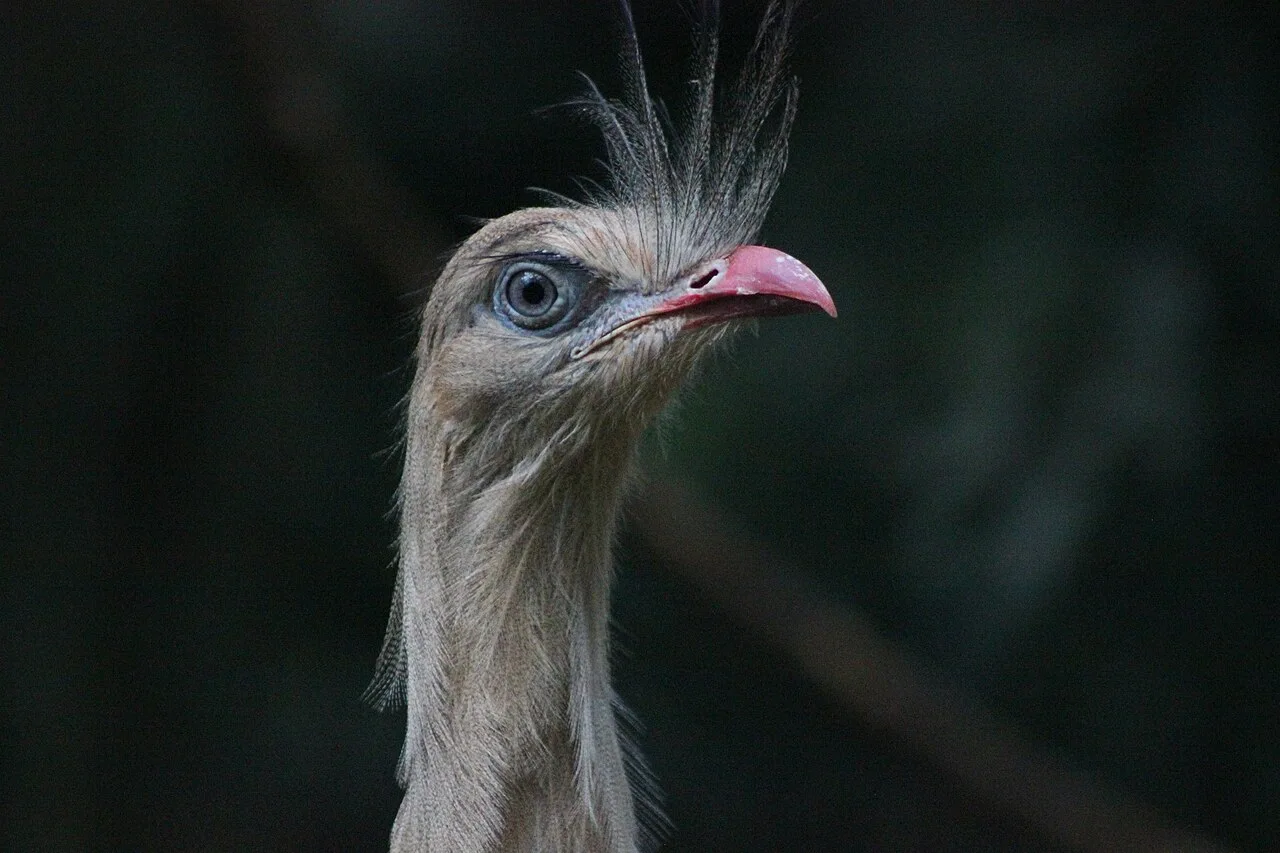
Parque das Aves describes itself as an institution focused on conserving Atlantic Forest species. Located beside Iguaçu National Park, it offers a different experience from the waterfall viewpoints. Visitors can observe birds and learn about their habitats, but this should not be confused with guaranteed wild-animal sightings inside the national park itself.
The institution confirms that its visit can be combined with the Brazilian falls on the same day. That is a logistical possibility rather than an obligation. If you are arriving across the border, travelling with children or want to read interpretation carefully, a separate third day provides a more comfortable pace. Compare your realistic arrival time with current opening arrangements before buying a combination that leaves too little time.
Follow staff instructions and the rules of each enclosure. Do not knock on barriers or use food to provoke an encounter. A documentary photograph shows a real place but does not promise that a particular bird will be in the same position during your visit. Watching undisturbed behaviour and understanding conservation can be more rewarding than pursuing one predetermined image.
The park says it normally operates in rain, although visible bird behaviour can change with conditions. Still check the day’s notices: routine operation does not imply that every weather event is irrelevant. Bring practical rain protection and take sheltered breaks where appropriate. Confirm admission and food arrangements separately if you intend to spend a substantial portion of the day there.

Choose a base and pack for the actual conditions
Puerto Iguazú and Foz do Iguaçu are bases in different countries. Choose according to flights, accommodation, documentation and visit plans rather than assuming that changing hotels nightly saves time. Staying in one place can simplify baggage and leave the border crossing for an excursion, provided you meet entry and re-entry requirements.
Argentina’s national parks authority describes a humid subtropical climate and notes busier periods around Argentine holidays and long weekends. Consult the actual forecast before departure. Pack water, insect repellent, sun protection and a way to keep documents and devices dry. Damp clothing and tiredness are usually easier to manage with a flexible return than by adding another paid activity at the end of a long day.
A route to get you started
- Day 1: spend the day in the Argentine park, respecting the booked admission time and choosing operating routes suited to your group. Take breaks and return with room to spare. If one access is closed, use authorised alternatives rather than trying to complete a checklist created under different conditions.
- Day 2: visit the Brazilian park after completing the crossing and required checks. Observe the landscape from this side and retain enough time to return. Add Parque das Aves only if your actual arrival and its opening arrangements leave a sensible amount of time.
- Day 3: give Parque das Aves an unhurried visit if you did not combine it with day two, or use this margin to reorganise weather-affected plans. Remember that itinerary flexibility does not guarantee ticket changes: read the conditions attached to each purchase.
Good to know
Which side of Iguazú should I visit first?
There is no universal order. Choose according to your base, available admission and the forecast. This plan begins in Argentina and continues in Brazil, but it can be reversed. Avoiding unnecessary crossings and preserving enough time for formalities and the return journey are the priorities.
Can one ticket be used in both countries?
Do not assume so. These are parks with independent entry arrangements and admission systems. Read exactly what a ticket or package includes. An international transfer does not automatically cover every admission or activity shown in a seller’s photographs or promotional description.
Can Parque das Aves fit on the Brazilian falls day?
The institution confirms that combining them is possible because they are close together. Whether it suits you depends on arrival time, transfers, energy and how long you want in each place. A third day helps if you prefer to read, observe and pause without rushing.
Can I visit Iguazú in the rain?
Rain alone does not mean every visit is cancelled, but official notices and local conditions determine what is possible. Routes may change. Bring suitable footwear and rain protection, and check the park’s status before leaving rather than treating a purchased ticket as a guarantee that every access is open.
Three days at Iguazú provide time to see one extraordinary landscape from two countries and learn about Atlantic Forest conservation. Clear admission arrangements, checked documents and room for changing weather make the trip less dependent on perfect connections and more focused on the places available to enjoy.