

Hoi An rewards slow walking, but a first stay can become a sequence of shopping stops and photographs without a clear idea of what you want to understand. This guide connects three experiences: the Ancient Town as a trading city, the Japanese Covered Bridge as part of that cultural exchange, and My Son as an excursion into Cham heritage. Three days give them context without confusing an urban walk with a journey outside town.
UNESCO recognises both Hoi An and My Son for different reasons. One preserves the fabric of a trading port; the other contains tower-temple remains linked to the Champa Kingdom. They are not interchangeable backgrounds for the same picture. Keep the urban walking flexible and give the excursion its own substantial block.
Before you pack
- Suggested time
- Three days, adjusted to your pace
- Places in this route
- Three selected places
- Destination
- Hoi An
Ancient Town: read a city shaped by its river
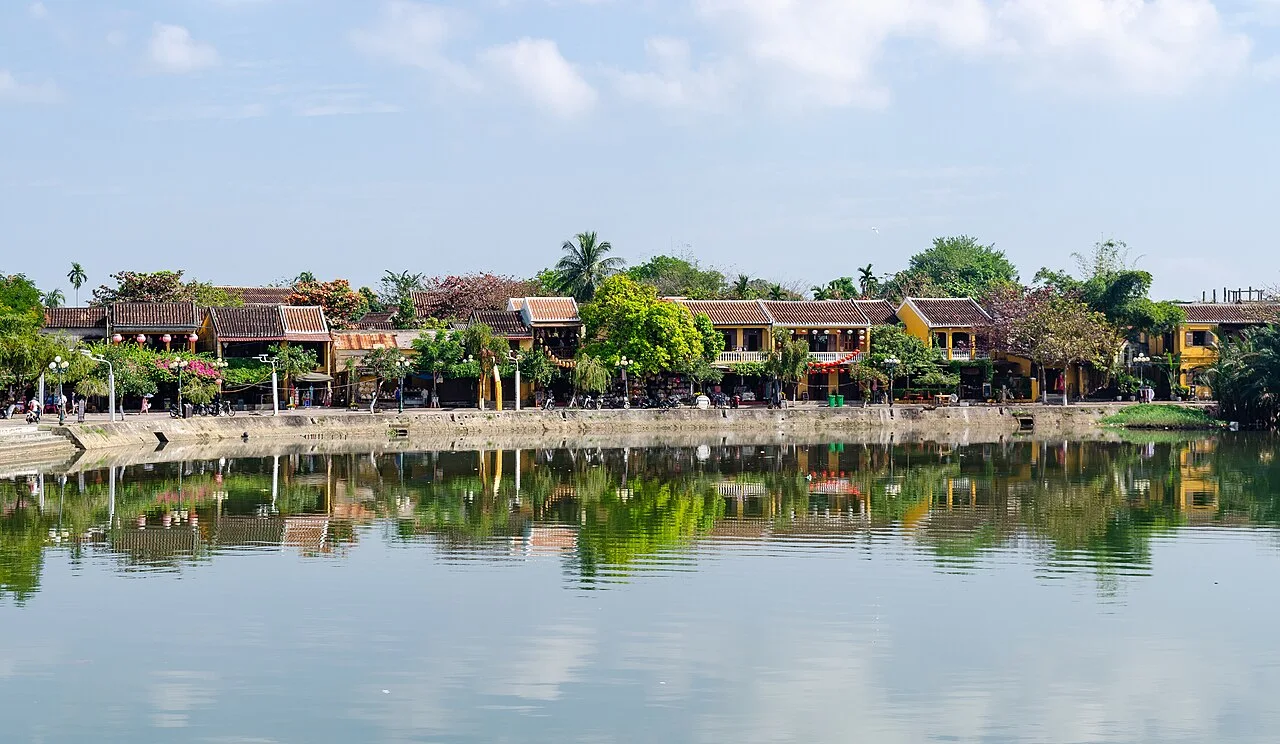
Hoi An was an active trading port between the fifteenth and nineteenth centuries. UNESCO describes local and foreign influences reflected in its buildings and streets. An especially useful detail is the relationship between houses, commerce and the Thu Bon River: buildings faced the street while their rear sections enabled exchanges from the water. Walking with that connection in mind reveals more than attractive façades.
Begin by recognising the layout: streets parallel to the river and cross-connections forming a network that can be explored in sections. Notice timber structures, roofs and shops without assuming every building admits visitors. If you want to enter a historic house or heritage space, check the current ticket system and inclusions. Walking outside does not automatically grant permission to explore interiors.
Alternate an initial orientation walk with a second pass focused on details. Compare doorways and galleries or look at the relationship between living and trading space. You do not need to buy something at every stop or accept an activity because it appears in numerous photographs. For any booked experience, establish its duration, meeting point and how much of the day it actually occupies.
Leave time to see the river setting under different light without making sunset compulsory. Streets remain places of work and everyday life: ask before taking portraits and keep entrances clear. During heavy rain or local warnings, change the plan and avoid affected areas. Archive photographs cannot be used to assess water levels or access conditions on the date of your visit.
Japanese Covered Bridge: a building as well as a crossing
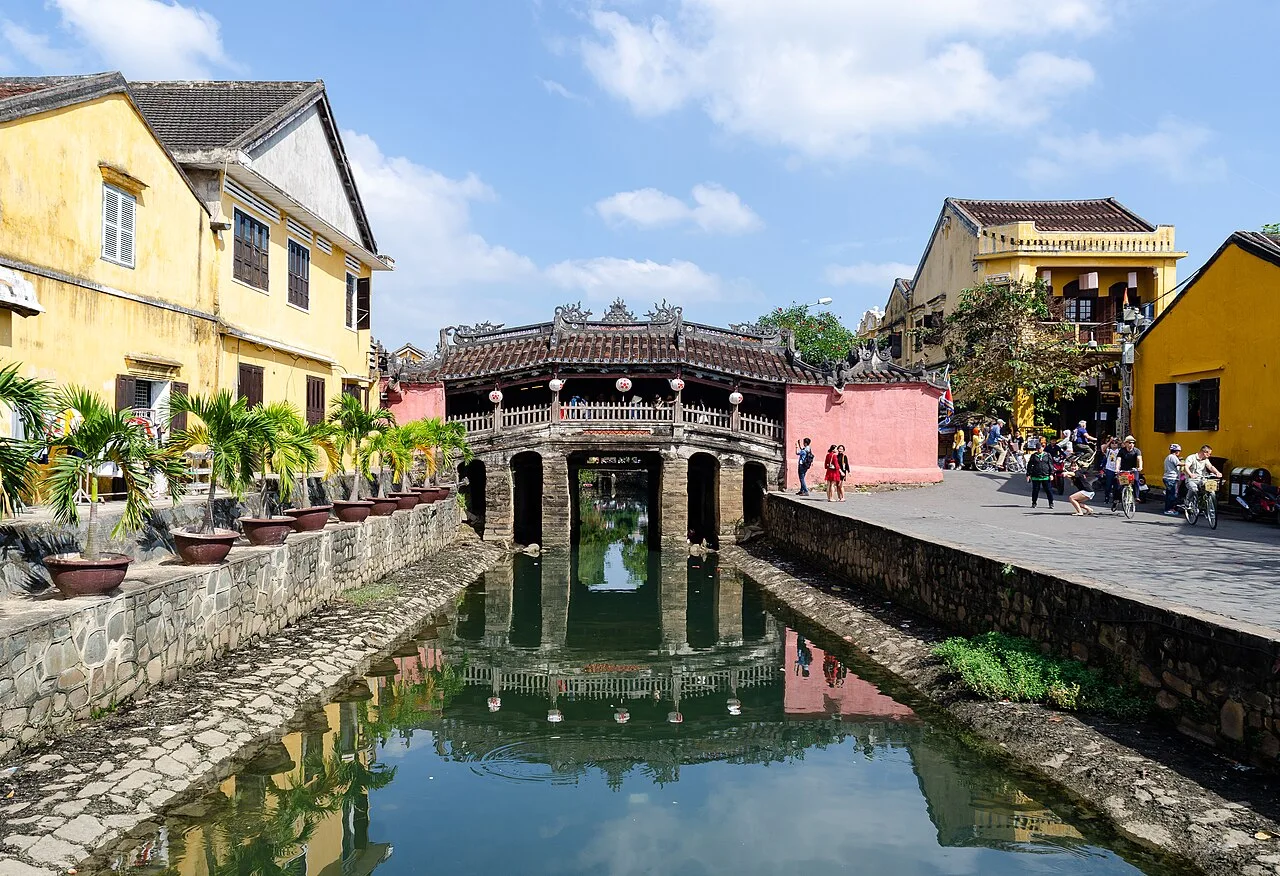
The Japanese Covered Bridge belongs to Hoi An’s urban ensemble and reflects the cultural exchanges associated with the port. UNESCO describes a wooden bridge with a pagoda. Its interest lies in the combination of crossing and constructed space: it is not simply a position for a panoramic photograph but a piece of architecture worth examining in its own right.
Approach from outside first to understand its relationship with surrounding streets and water. Then establish whether interior access is available and which conditions apply. Conservation work and visitor management can change routes, and an older image does not guarantee the exact current appearance or opening arrangements. If access is restricted, the exterior still helps explain the building’s form and position.
Notice details connecting structure with function: roof, supports, entrance and the canal setting. Avoid touching decorative elements or holding up others while repeating photographs. For families, comparing an open bridge with a covered one creates straightforward questions about climate, circulation and use without requiring a lengthy historical lecture at a busy crossing.
Include the bridge within the Ancient Town walk but give it a specific moment of attention. It does not require an entirely separate day or automatically justify private transport from accommodation close to the centre. A three-day stay offers the possibility of returning if it is crowded, rather than forcing an uncomfortable visit because the itinerary allows only a few minutes at every stop.

My Son: an excursion into Cham heritage
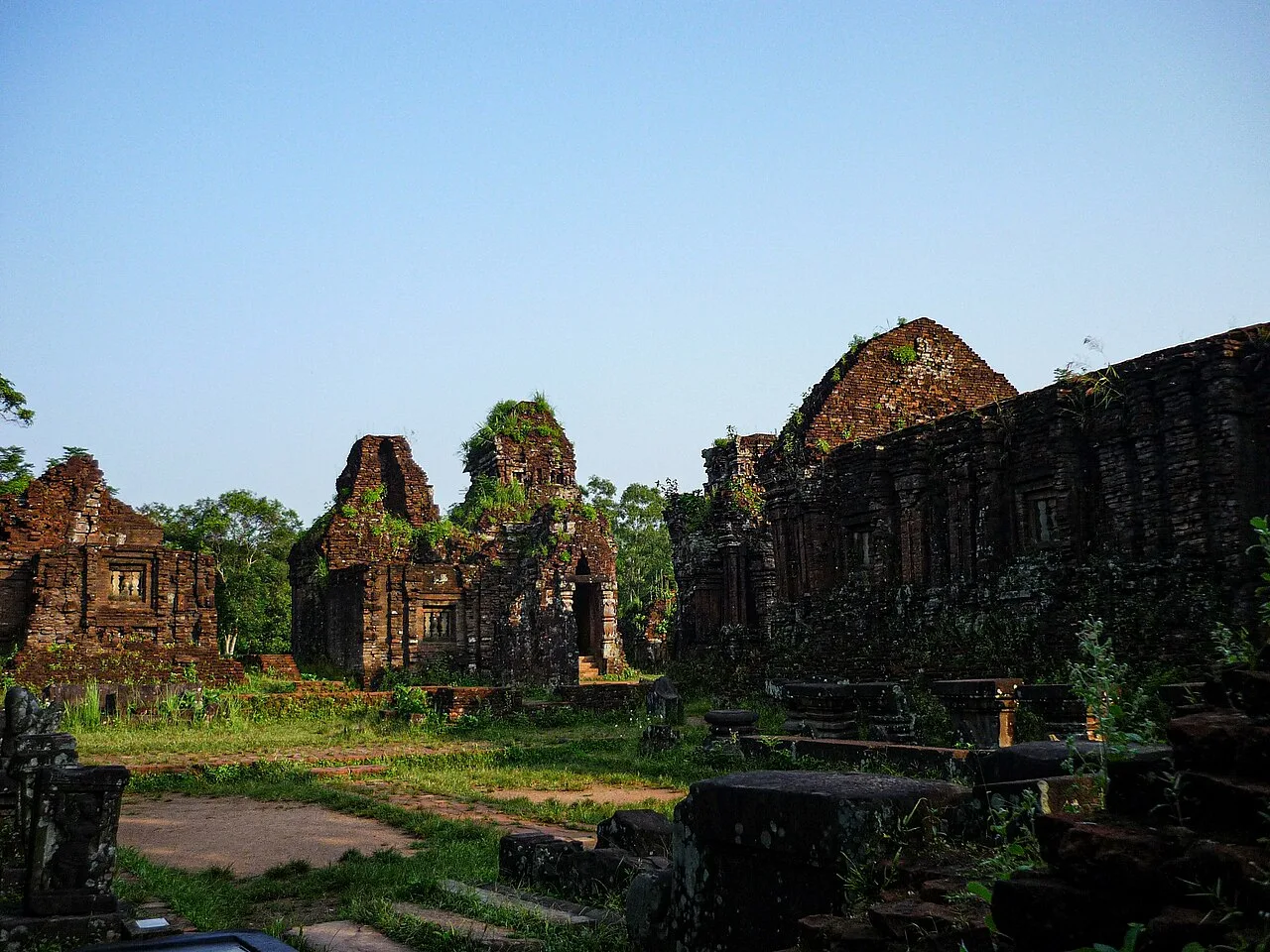
My Son is a sanctuary distinct from Hoi An’s commercial city. UNESCO connects it with the Champa Kingdom and a spiritual tradition rooted in Hinduism that developed between the fourth and thirteenth centuries. Surviving towers and temples provide access to that history, but they do not form an untouched complex or a replica of another famous Southeast Asian monument.
Organise the excursion as its own block, with return transport and a realistic amount of time on site. If booking a tour, ask how long is spent exploring the heritage area compared with driving and additional stops. Confirm the guide’s language, whether admission is included, the pickup location and return arrangements. An excursion price without these details is not enough to compare two offers meaningfully.
Historical explanation and interpretation signs help distinguish phases and areas within the site. Do not climb remains or leave the route in search of a closer viewpoint. Pay attention to materials and relationships between towers, respecting any areas closed for conservation. The visit remains valuable if certain sections are unavailable; exploring ruins does not require access to every corner.
Prepare suitable shoes and protection for the forecast, allowing breaks when heat or humidity feels demanding. Travellers with reduced mobility should ask both the operator and site about actual surfaces and the intended route before paying. Avoid linking the return to a flight or train with a minimal margin: a road excursion requires more flexibility than a walk near your accommodation.

Reaching the area and planning around rain
Vietnam’s tourism information identifies Da Nang airport as an access point for the region. Before arranging transport, confirm your precise Hoi An destination, baggage arrangements and pickup conditions. Arriving in Da Nang is not equivalent to being settled in the Ancient Town. Add the onward transfer and leave the first walk free of an overly tight appointment.
The tourism portal notes a rainy season. Check the actual forecast and local notices for your dates, particularly for an imminent trip; a general calendar cannot predict a specific day. You can swap the city and excursion order when booking conditions allow. Choose accommodation with arrival, rest and local advice about surrounding conditions in mind rather than relying entirely on a picturesque riverside photograph.
A route to get you started
- Day 1: orient yourself in the Ancient Town and observe how streets, houses and river relate to one another. Check admission before selecting interiors and leave time for a meal. The first walk establishes distances and helps you decide what deserves closer attention.
- Day 2: focus on the Japanese Covered Bridge and revisit a section of town that interested you. Use the flexible schedule to avoid uncomfortable weather or crowded periods. Filling every remaining hour with a commercial activity is unnecessary for a rewarding day.
- Day 3: visit My Son with transport and inclusions confirmed. Listen to the historical context, follow permitted paths and return with time to spare. If weather warnings or operational changes arise, follow local directions and discuss alternatives with the provider.
Good to know
How long should I allow for Hoi An and My Son?
Three days separate the city and excursion without compressing the stay too much. With two days, combine the Ancient Town and bridge on one and My Son on the other, provided arrival and departure do not consume most of the time you thought was available.
Is the Japanese Bridge far from the Ancient Town?
It forms part of Hoi An’s urban ensemble and fits into a central walk. The exact distance depends on your accommodation and chosen route. Look at the map and current access arrangements before paying for transport that may not be necessary for your location.
Is My Son the same as Angkor?
No. They are sites in different countries with different histories. My Son relates to Vietnam’s Champa Kingdom and has its own architectural and religious context. Do not arrive expecting a smaller version of Angkor; good interpretation helps reveal the specific qualities of the site.
What should I do during heavy rain?
Check official notices and local recommendations before leaving. Adapt walks and excursions to real conditions rather than assuming a reservation requires completing any route regardless. Avoid flooded areas for photography and arrange changes directly with your provider where appropriate. A flexible itinerary still depends on each booking’s conditions.
Hoi An and My Son offer two distinct ways into central Vietnam’s heritage: a city shaped by trade and a sanctuary connected with Cham history. Attentive walking, clear admission choices and enough time for the excursion allow both to become meaningful visits rather than a sequence of interchangeable settings.