

Angkor is much more than a sunrise photograph of one temple. UNESCO describes an extensive archaeological landscape containing monuments, water systems and communities that still live within it. For a first trip from Siem Reap, this guide selects three distinct complexes: Angkor Wat, Bayon and Ta Prohm. The aim is to recognise their differences without trying to cross dozens of temples off a list in a single day.
We suggest three travel days with visits and breaks distributed sensibly, not three days of continuous walking. October requires flexibility for rain and ground conditions, so check forecasts and access close to your date. Clear sunrises, open upper levels and empty viewpoints are never guaranteed. Each place has a real archive photograph rather than a promise of its exact appearance during your stay.
Before you pack
- Suggested time
- Three days, adjusted to your pace
- Places in this route
- Three selected places
- Destination
- Siem Reap and Angkor
Angkor Wat: give the complex more than a sunrise photograph
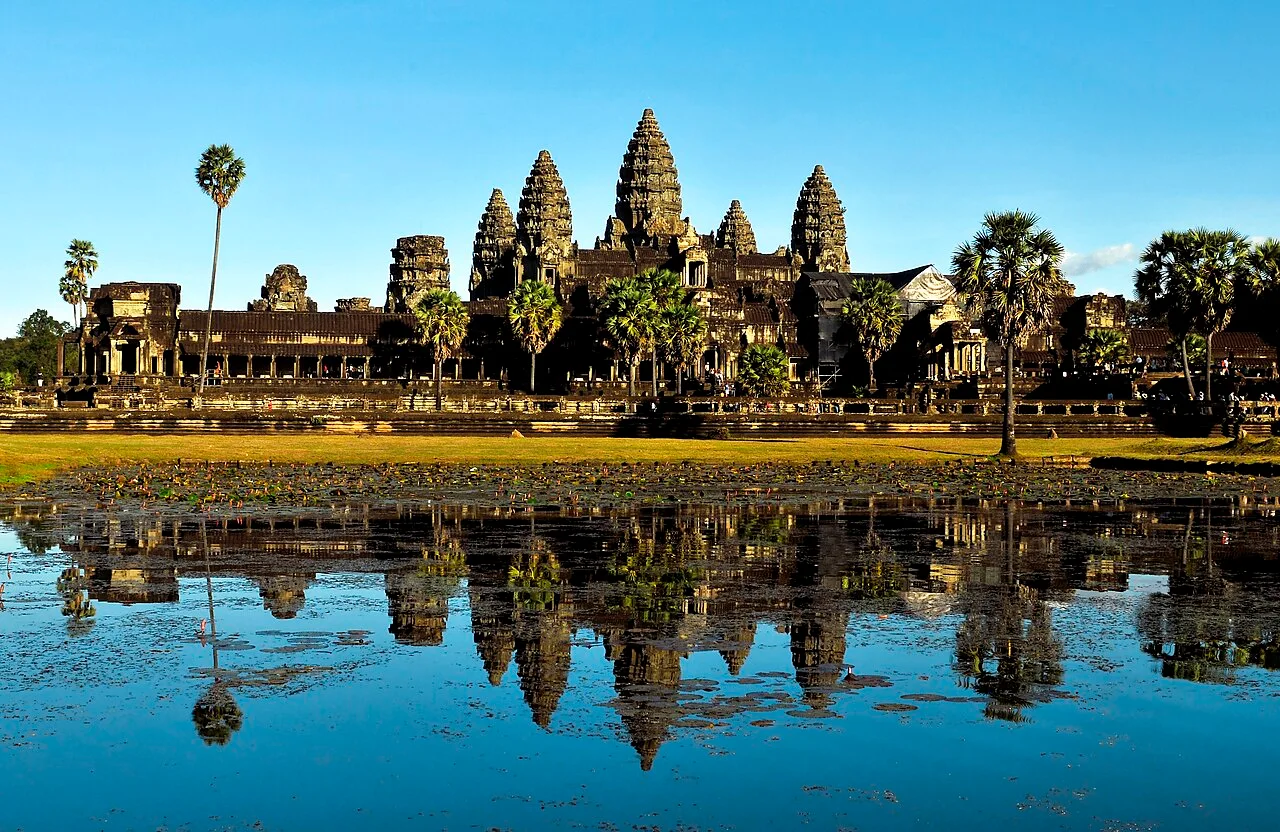
Angkor Wat is one of the major examples of Khmer architecture recognised by UNESCO within the wider Angkor property. Its relationship with water, approaches and architectural volumes explains why it deserves more than the familiar reflection of its towers. Before concentrating on a composition, look at a plan and understand the permitted visitor route.
Sunrise is a choice, not a requirement for appreciating the place. It involves an early start, coordinated transport and admission under current arrangements. If you choose it, organise the journey and pass in advance. Do not sacrifice all your rest for a photograph whose light depends on weather. An attentive visit with enough energy can also work in another permitted period.
After taking in the exterior, spend time with accessible corridors and reliefs. Avoid touching carved surfaces and respect closed sections. Conservation can change a familiar route or prevent an ascent; an older photograph does not establish that the same access remains available. If hiring a guide, explain that you want context rather than only quick movement between photographic positions.
Carry water and shoes suitable for uneven ground. Clothing should comply with the current rules for sacred sites. Keep a proper break after this first visit: the scale of the complex and outdoor conditions mean that its duration cannot be calculated simply from kilometres walked. The goal is to leave with an understanding of the setting, not merely a record of arrival.
Bayon: observe the faces and the spaces around them
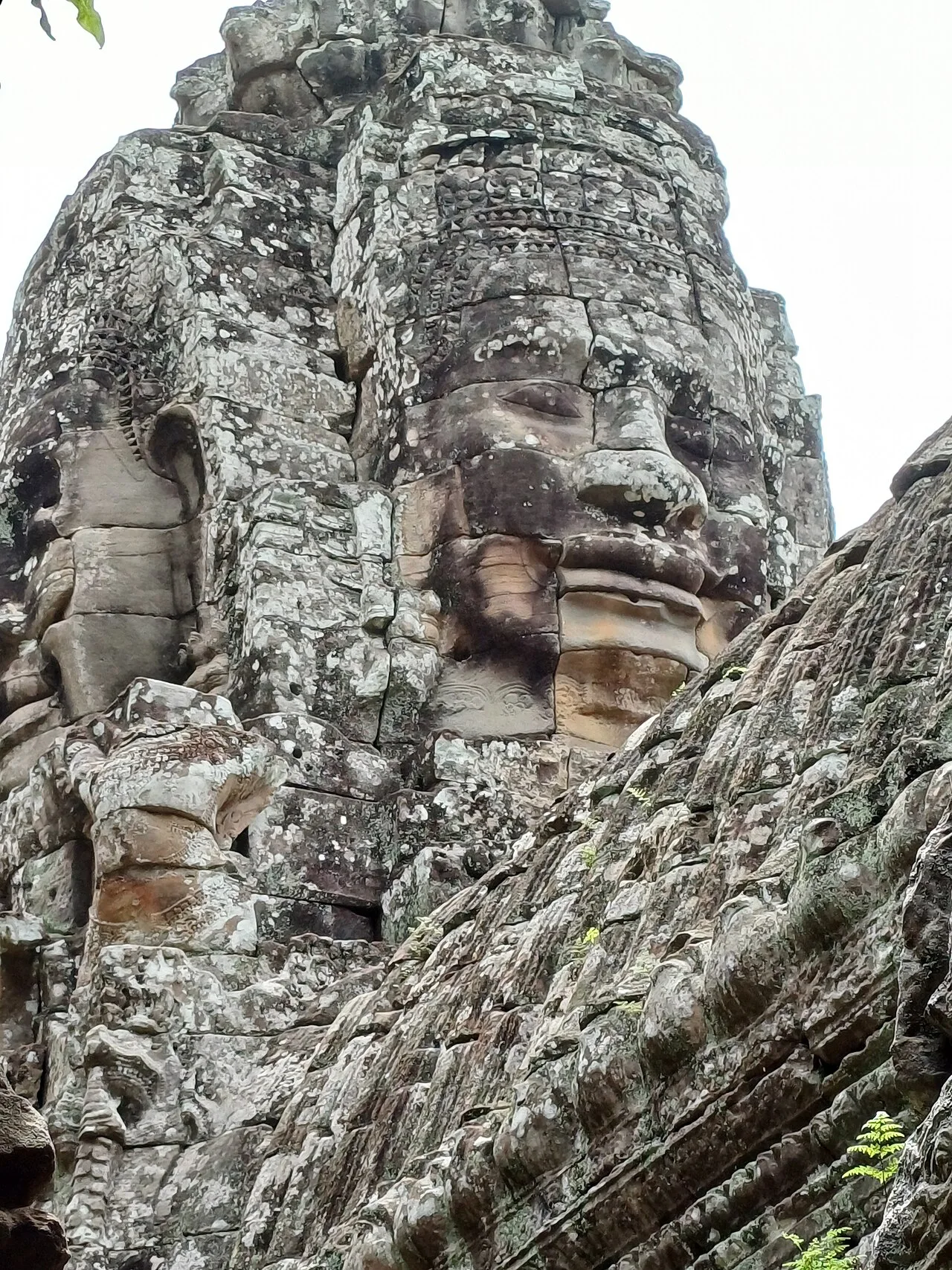
Bayon creates a different experience from Angkor Wat. Towers bearing carved faces produce a closer scale and a distinctive relationship between architecture, orientation and observation. UNESCO includes it among outstanding examples of Khmer art. On a first visit, recognising that contrast is more useful than treating both temples as versions of the same photograph.
Begin by understanding the overall structure and the route open to visitors. Different faces become clearer from different positions, so move attentively without blocking narrow passages. You do not need to climb every level to appreciate the ensemble. If conservation closes an area, respect the restriction and explore the permitted spaces rather than looking for an alternative way in.
Reliefs and smaller details reward close looking but never contact with the stone. Specialist interpretation can help distinguish scenes and ideas. Without a guide, prefer reliable information and site panels to improvised stories circulating online. This guide does not assign one unquestioned identity to every face or present debated interpretations as settled facts.
Arrange transport between temples before leaving Siem Reap. Bayon belongs within Angkor Thom, but here it is the second principal visit rather than a five minute addition. Agree with your driver where you will meet again and leave time to walk, rest and understand the site without racing towards the next temple on an inflexible schedule.

Ta Prohm: roots, architecture and conservation
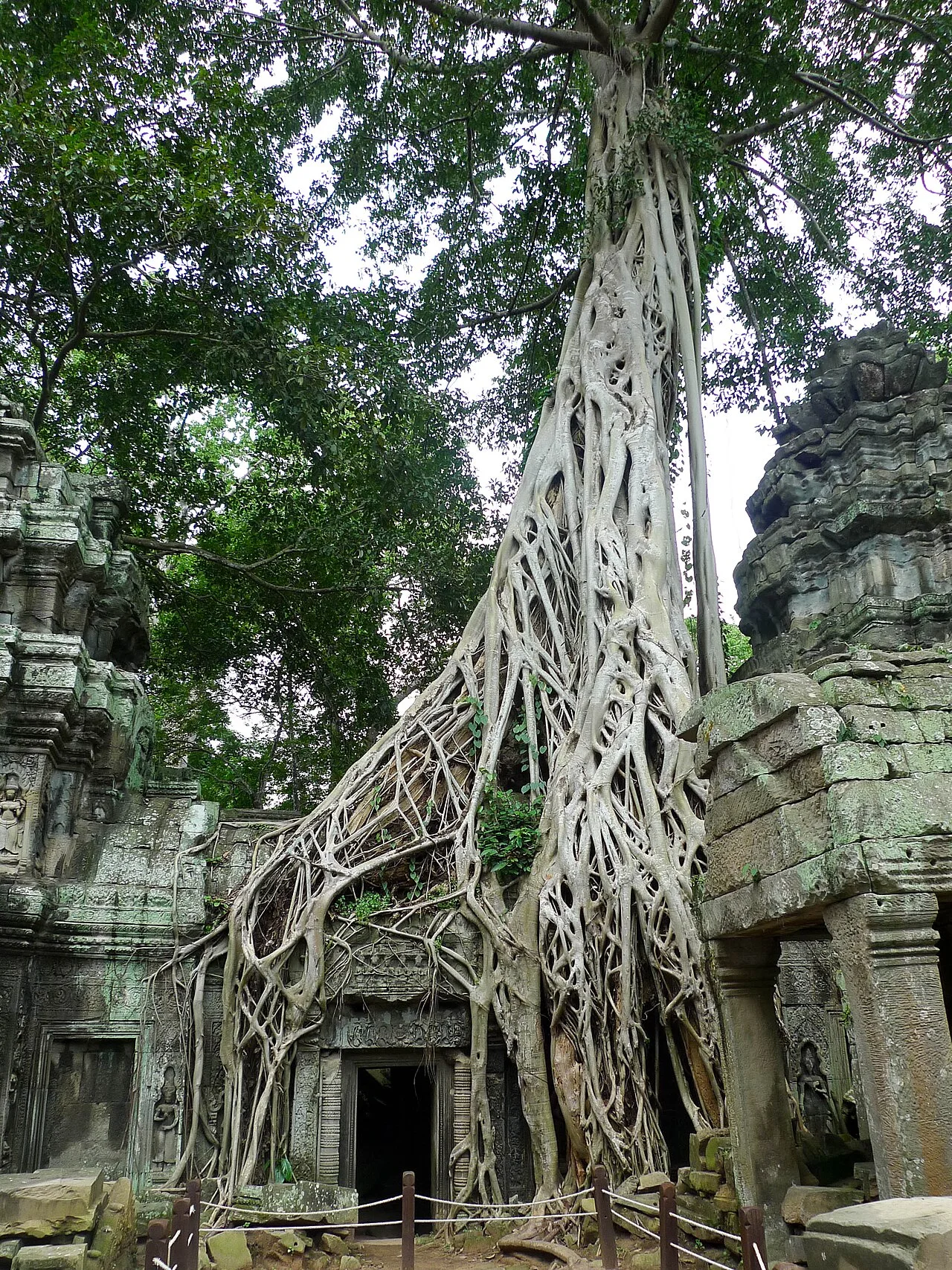
Ta Prohm is associated with the visible relationship between trees and stone structures. UNESCO names it among temples expressing Khmer architecture and its connection to the surrounding setting. That image should not be interpreted as an abandoned place where anything is permitted. You are visiting managed heritage with routes, conservation work and areas that may remain closed to the public.
Explore by observing changes in scale and space between walls, roots and courtyards. Do not pull on roots, climb over stonework or cross barriers to copy a photograph. Established routes protect both visitors and the monument. After rain, pay particular attention to footing and keep equipment stored while moving over uneven sections.
A familiar photographic position may attract a queue. Wait without obstructing circulation or choose another perspective within the permitted route. The visit does not lose its value because a famous view is occupied. Comparing a tree’s shape with the geometry of the building can be more rewarding than reproducing an image you saw before travelling.
To finish the itinerary, consider the contrast with the previous stops: Angkor Wat’s monumental scale, Bayon’s faces and Ta Prohm’s relationship between vegetation and architecture. That comparison turns three visits into a coherent reading of the landscape. You do not need to add temples simply to justify a pass when you are already tired or no longer have time to understand them.

Passes and transport: what to confirm before departure
Angkor Enterprise identifies itself as the official channel for purchasing admission to the archaeological park. Use it to check the pass type, validity and conditions that fit your actual visiting days. Do not confuse park admission with transport or a guide. Those are separate decisions, and any combined offer should explain the contribution of each component.
Arrange transport with a departure point, meeting time and clear agreement about waiting and the return journey. A park map can make places seem close even when moving between their entrances requires a transfer. If hiring a guide, confirm language, duration and scope. Suggesting three travel days distributes effort; it does not mean automatically purchasing the widest pass without comparing your calendar.
UNESCO notes that Angkor remains inhabited. Respect local communities and avoid photographing people as elements of a visitor backdrop. Carry what you need for rain and sun, take rubbish away and follow local instructions. If conservation or ground conditions change access, rearrange the day. The priority is a permitted visit that makes sense, not completing a checklist regardless of circumstances.
A route to get you started
- Day one: arrive in Siem Reap, confirm the pass you need and arrange transport and meeting points. If sufficient time and current access allow, make a first visit to Angkor Wat. Otherwise start the following day instead of forcing a late arrival into a substantial site.
- Day two: give the main period to Angkor Wat if still pending, and Bayon in a slot compatible with your energy and conditions. Take a substantial break between visits. If the first complex deserves longer, move the second to the next day rather than rushing.
- Day three: visit Ta Prohm and complete Bayon if you redistributed it. Avoid adding temples merely from habit. Keep time to return to Siem Reap, rest and prepare onward travel. Adjust this outline to the actual validity of your selected pass.
Good to know
Are Angkor and Angkor Wat the same thing?
No. Angkor is the wider archaeological and territorial complex; Angkor Wat is one temple within it. This distinction matters when choosing transport, admission and trip duration. This guide selects three places within that larger landscape.
Must I visit Angkor Wat at sunrise?
No. It is an option requiring an early start and coordinated access and transport. Light depends on weather and cannot be guaranteed. Choose a time that suits your interest and energy while preserving a proper visit beyond the photograph.
Does the pass include a guide and transport?
Do not assume so. Park admission, transfers and guiding services should be checked separately. For a package, read the inclusions, expected waiting arrangements and return conditions before confirming the booking.
Can visitors climb or walk on every structure?
No. Follow current routes and restrictions. Conservation and ground conditions can limit access. An earlier photograph or another visitor’s suggestion does not authorise crossing a barrier or climbing protected fabric.
Angkor Wat, Bayon and Ta Prohm provide a first introduction with clear differences between the visits. Choose admission around your actual days, agree on transport and leave space to rest. Understanding three complexes attentively offers more than seeing many without context or respect for their limits.