

Hanoi becomes easier to enjoy when you stop treating it as a checklist and start noticing the connections between its streets, courtyards and waterside spaces. For a first visit, the Old Quarter, Temple of Literature and Hoan Kiem Lake offer three complementary perspectives: everyday commerce, the history of education and a walk that slows the pace. This guide spreads them over three relaxed days, with an option to combine the route into two if your time is limited.
The plan suits visitors who want to understand the Vietnamese capital without spending most of the day arranging transfers. Separate flexible walks from the visit that requires admission, and leave room for meals, rest and rain. This is not a complete survey of Hanoi or a schedule of excursions outside the city. Its purpose is to give each place enough attention and let you return to a neighbourhood you enjoyed rather than rushing through a string of brief stops.
Before you pack
- Suggested time
- Three relaxed days, or two by combining the quarter and lake
- Places covered
- Old Quarter, Temple of Literature and Hoan Kiem Lake
- Planning approach
- Short walks and a separate transfer to the temple
The Old Quarter: give your walk a manageable focus
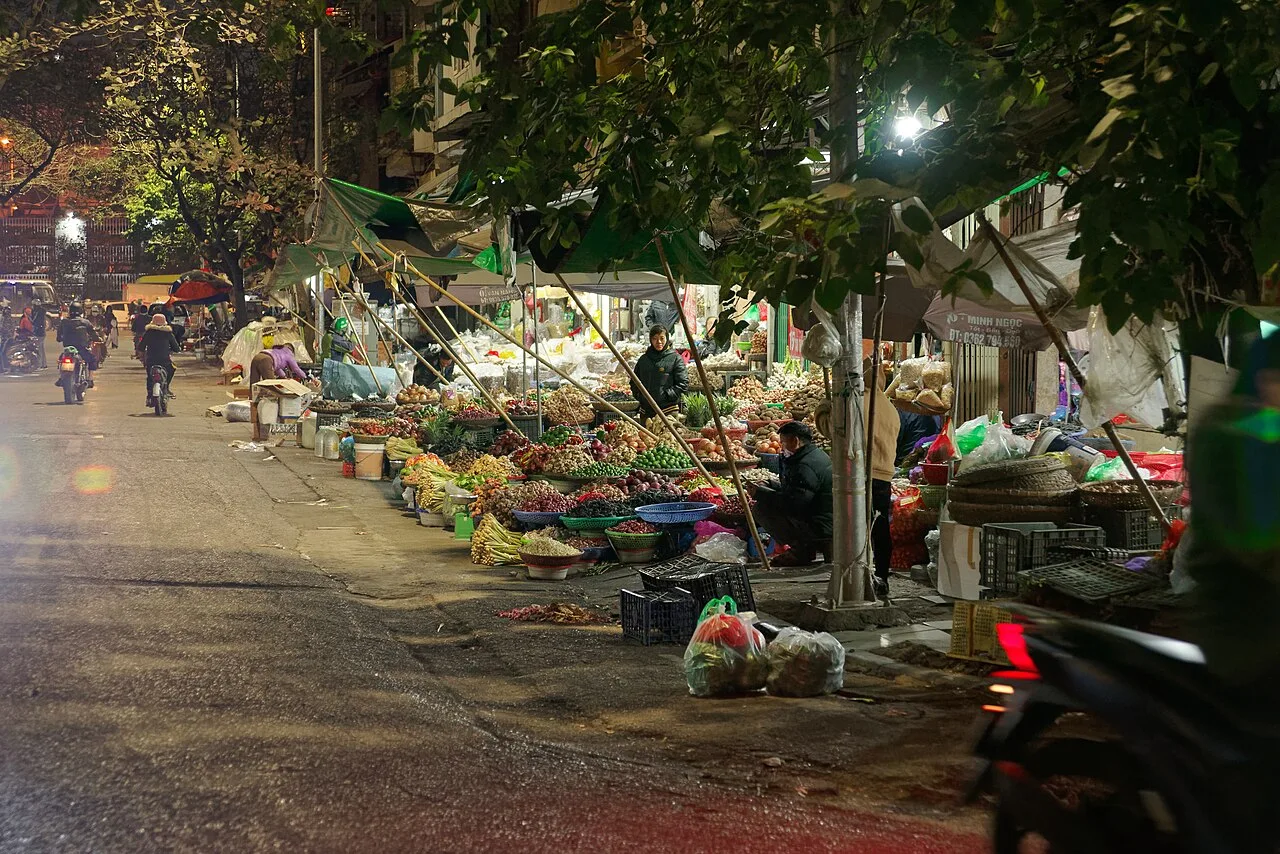
The Old Quarter brings together narrow shopping streets, deep buildings and everyday activity that changes through the day. Vietnam Tourism links it to the traditional thirty-six streets and the crafts and trades historically associated with them. That description helps explain the district; it does not require you to collect thirty-six stops. Look at street names, the goods on sale and the relationship between shops, homes and the pavement rather than concentrating only on a map.
Start by choosing a small walking area instead of following every turn for hours. The tourism authority’s route mentions streets such as Hang Gai and Hang Dao, useful reference points within the quarter. Pick a general direction and save a place to return to. The narrow, deep buildings often called tube houses are easier to appreciate when you alternate between what happens at street level and the upper parts of their facades.
Allow a break to become part of the visit. The national tourism guide includes egg coffee among Hanoi’s specialities; check ingredients if you have dietary restrictions and look at the price before ordering. For a meal, choose according to your preferences and the conditions you observe rather than assuming every establishment serves the same food. An accompanied food walk can add context, but you do not need to book one simply to find your way through the district.
This is a working neighbourhood, not a set built exclusively for visitors. Ask before taking close photographs of vendors or customers and leave entrances clear. Pay attention at crossings and follow designated crossing points and local directions. With children or anyone who tires easily, agree on breaks and a meeting point. A good walk is not necessarily the longest one: it is a route that leaves enough energy to notice the details around you.

Temple of Literature: follow the courtyards and the educational story
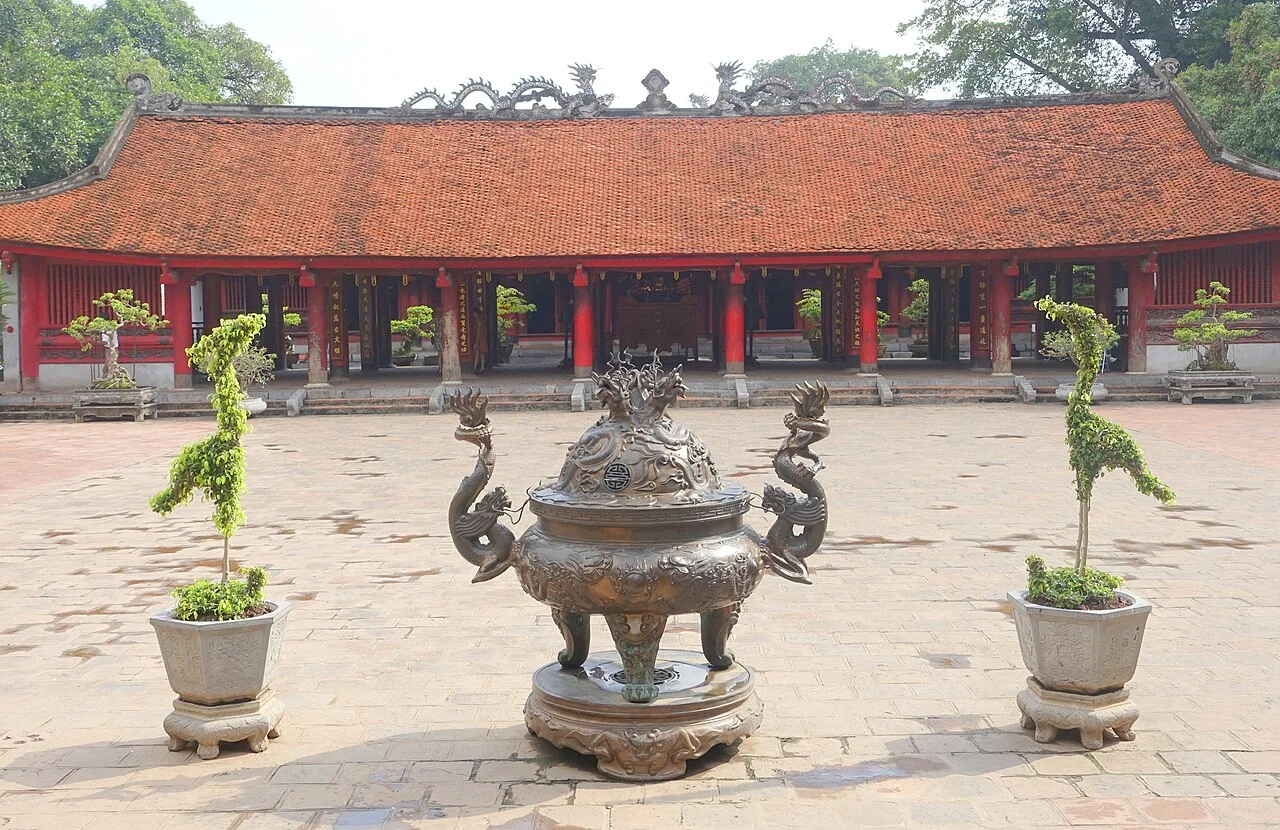
Van Mieu–Quoc Tu Giam, usually called the Temple of Literature, introduces visitors to Vietnam’s educational traditions. The operator’s historical timeline separates two milestones: the construction of Van Mieu in 1070 and the establishment of Quoc Tu Giam in 1076. Keeping those dates distinct avoids confusing the origins of the temple with the associated teaching institution. Think of the complex as a succession of spaces with different historical roles rather than one hall to walk through quickly.
Set aside part of the visit for the explanations of Confucian learning, the national university and the doctoral stelae. The operator lists exhibitions on those subjects and places an order for the stelae under Le Thanh Tong in 1484. There is no need to memorise every date. Consider what the inscriptions celebrated and how the architecture arranged access, courtyards and places of learning. An interpretive or guided visit may be worthwhile if you want a deeper historical account.
The official website identifies the entrance at 58 Quoc Tu Giam Street and lists separate exit points. Save the correct entrance on your map, as an address on another part of the boundary may take you to the wrong access point. Check the current admission arrangements, opening hours and visitor conditions with the operator. The evening programme has its own admission category, so a daytime ticket should not be treated as a reservation for every experience offered on the site.
Arrive ready to walk and pause, and dress respectfully for a heritage setting. Follow the conservation and photography instructions; do not touch objects to improve a picture. If you need a particular accessible route, ask about its actual conditions before buying admission. For this itinerary, give the site a morning or a substantial part of an afternoon, then leave the remaining hours flexible rather than placing another demanding commitment immediately afterwards.

Hoan Kiem Lake: slow down beside the water
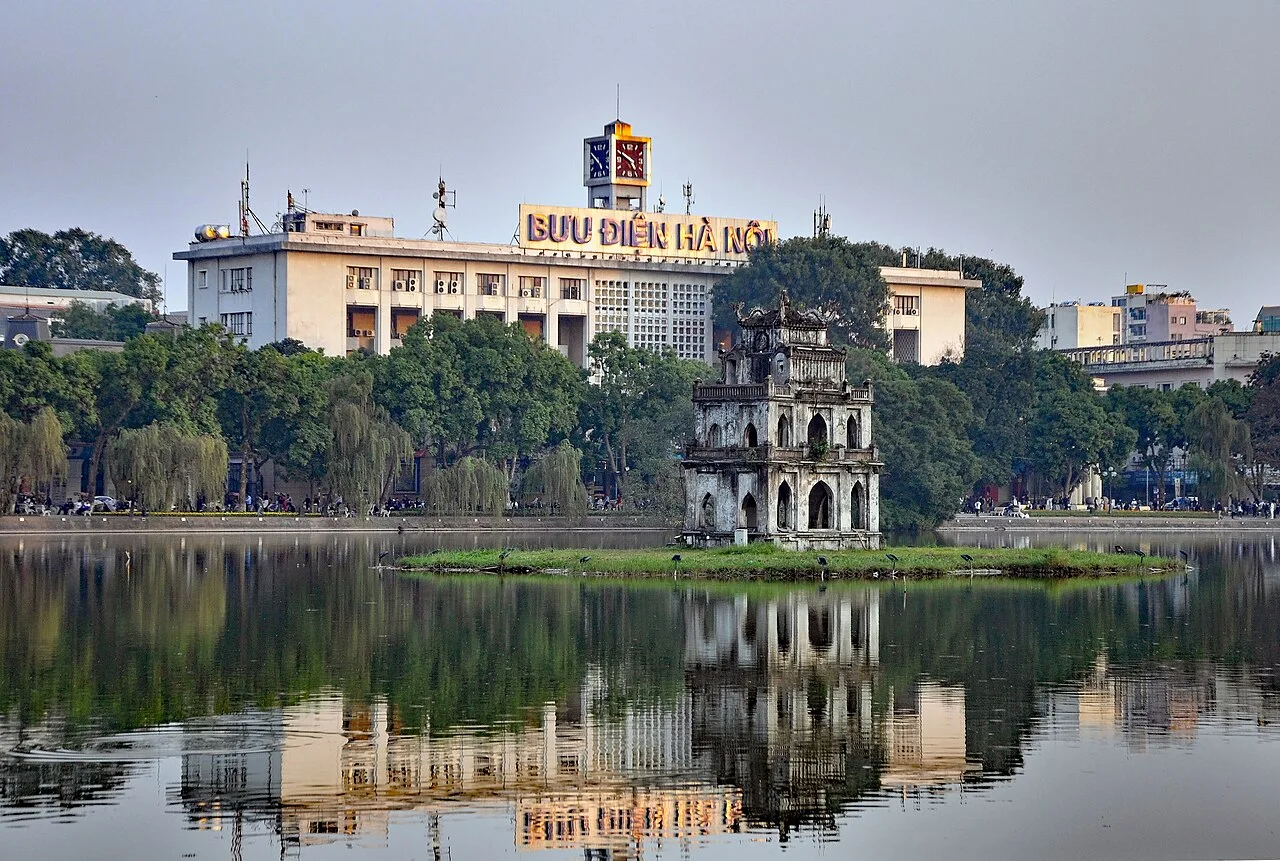
Hoan Kiem is central to Hanoi’s identity. The official walking guide describes a tree-ringed lake with a tower, while the destination guide highlights the red The Huc Bridge within the Hoan Kiem and Ngoc Son setting. Its proximity to the Old Quarter makes it possible to connect the two without filling the day with long transfers. The main experience proposed here is the lakeside walk itself: a chance to observe the city from beside the water.
Choose a stretch of the promenade according to the weather and the time available. You do not have to complete a circuit simply to finish one. Pausing to compare reflections and watch the surrounding scene can be more rewarding. The bridge and structures around the lake help with orientation, but walking along the shore and entering a separate visitor site are different decisions. If you choose an interior visit, check its own conditions instead of assuming everything by the water is included.
This is also a place worth revisiting at another point in your stay. Light and activity may differ between an early walk and a later outing, although no hour guarantees quiet or a photograph without other people. Check the forecast and shorten the route if heat or rain makes it uncomfortable. Keep a comfortable distance from the edge and other visitors, and avoid blocking the walkway while taking pictures.
Before heading back to your accommodation, identify an exit from the promenade that makes sense for your route. If you request a vehicle, confirm a permitted pickup point that is easy to recognise; traffic arrangements can vary. Visitors with reduced mobility should examine the actual crossings and surfaces rather than judging the walk solely by distance. In this itinerary, Hoan Kiem provides a pause with a clear sense of place, not an obligation to add more walking after an exhausting day.
Sort out transfers, weather and admission before setting off
Noi Bai is Hanoi’s airport, and the official tourism information lists buses, taxis and ride-hailing among the ways to reach the city. Choose according to your arrival time, luggage and accommodation, and check the current stop or pickup instructions. Save the full address and allow for traffic. Avoid placing the temple visit immediately after landing if a delay could cost you a reservation or leave you too tired to enjoy the site.
The tourism authority describes cool, drizzly winters and hot, humid summers. That distinction helps with packing but does not replace a forecast for your dates. Plan short walking sections, water and somewhere to rest, and check access arrangements for the actual day. Divide your budget into airport transport, urban journeys, temple admission, meals and any guided activity. This makes it easier to adjust spending without confusing the essentials with optional additions.
A route to get you started
- Day 1: begin with a limited Old Quarter walk. Learn the streets that will help you find your way back and leave enough time for an unhurried meal. If you arrived that day, shorten the route; becoming comfortable with the neighbourhood is more useful than filling every available minute.
- Day 2: visit the Temple of Literature after checking admission and your transfer. Move through its spaces, read the explanations and allow a break afterwards. Keep the afternoon open for rest or a return to a part of the quarter that particularly interested you.
- Day 3: walk beside Hoan Kiem, choosing where to pause according to the light and weather. For a two-day stay, combine the lake with the Old Quarter on one day, while keeping a separate block for the temple and retaining time for breaks.
Good to know
How many days do you need for this first visit to Hanoi?
Three days allow a relaxed introduction to the three areas. Two can work if you combine the Old Quarter and Hoan Kiem, then give the Temple of Literature its own block of time. This is an editorial pacing suggestion, not an official minimum stay.
Can you do the whole itinerary on foot?
The quarter and lake suit a walking day with breaks. Calculate the journey to the temple separately from your accommodation. Your mobility, weather and the crossings along the route matter; a short distance does not automatically make a walk comfortable.
Does a daytime temple ticket include the evening programme?
The operator distinguishes the evening programme and its admission from the general visit. Check the exact product, date and current conditions before paying. Do not assume that a daytime ticket reserves a place in a night experience.
What is the best month to visit Hanoi?
The national tourism guide highlights autumn and describes distinct seasonal conditions. Combine that guidance with your tolerance for heat and rain and the forecast for your trip. No month guarantees dry days or an absence of other visitors.
These three areas create a coherent first look at Hanoi: observe commerce in the Old Quarter, explore educational history at Van Mieu–Quoc Tu Giam and pause beside Hoan Kiem. Adapt the order to your accommodation and the weather, verify the access arrangements and leave enough space to pay attention to the city without rushing.