

Beijing rewards preparation before arrival. The Forbidden City, Temple of Heaven and Great Wall at Mutianyu are not three equivalent stops that can be linked without considering logistics: two are urban visits and the third requires an excursion. This three-day plan separates them to allow time for architecture, historical context and travel. Admission availability should shape the order rather than a rigid list of attractions.
UNESCO recognises the imperial palaces and Temple of Heaven separately because they reveal different aspects of imperial power. Mutianyu adds another scale: defensive construction within a mountain landscape. The route is designed for a first visit, with practical choices about reservations and physical effort, rather than an attempt to cover every sight in Beijing.
Before you pack
- Suggested time
- Three days, adjusted to your pace
- Places in this route
- Three selected places
- Destination
- Beijing
Forbidden City: arrange admission before travelling
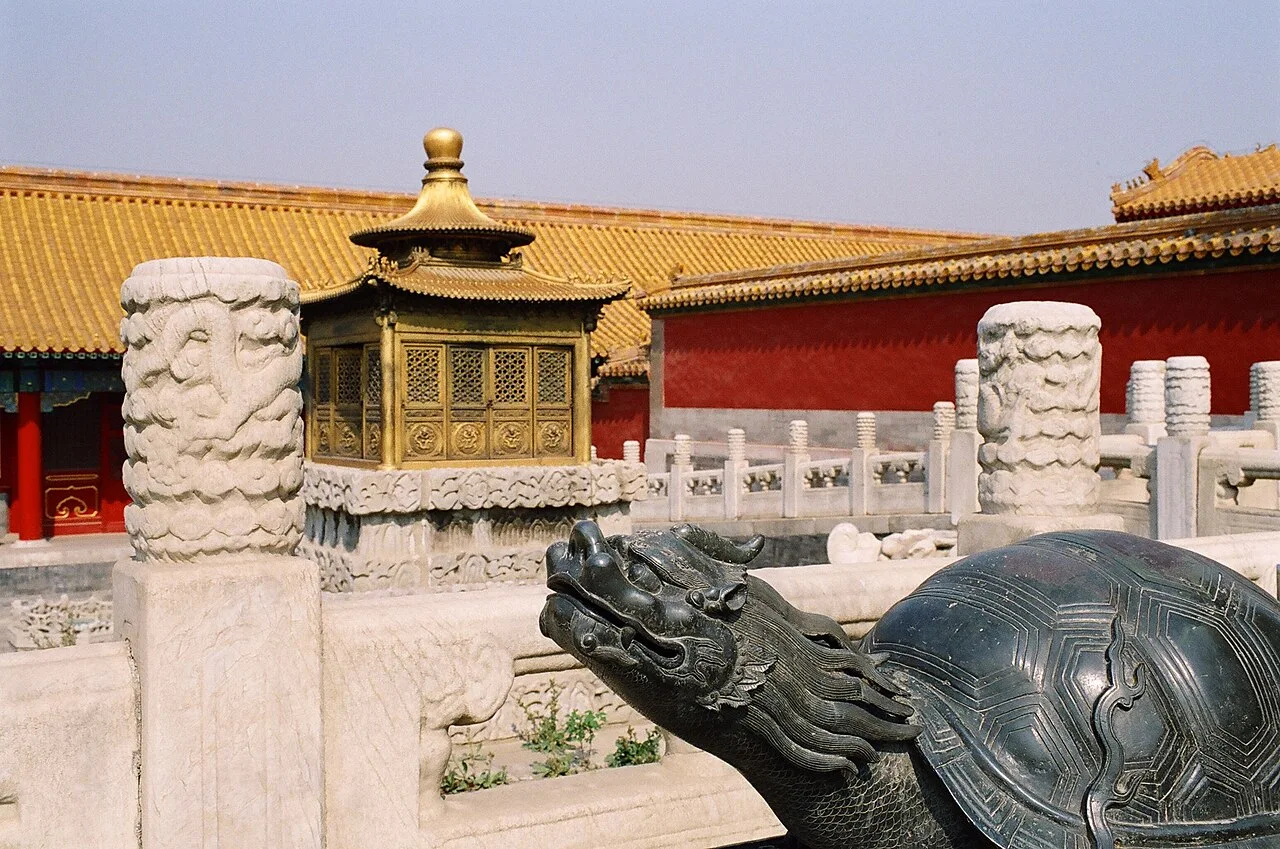
The Forbidden City was a seat of imperial power for centuries and contains palaces, courtyards, gardens and collections associated with the Ming and Qing dynasties. UNESCO emphasises its material testimony to Chinese civilisation. For a first visit, read the complex as a sequence of spaces and functions rather than thousands of rooms that must each be found and checked off.
The Palace Museum visitor page states that tickets are not sold for the same day and access should be arranged in advance. It also specifies passport details for foreign visitors making reservations. Read the current official instructions and ensure the information matches your document. Save the confirmation and avoid passing personal information to intermediaries whose role you have not established.
The official information distinguishes regular Monday closures from exceptions associated with holidays. Check the exact calendar and booking conditions before fixing your three-day sequence. The museum also presents routes of different lengths and galleries with additional admission. Choose according to your interests and energy: general entry does not necessarily provide access to every specialist collection in the complex.
Inside, give attention to the scale of courtyards, gates and buildings as well as individual objects. Study the services map and entry-to-exit route beforehand, particularly when someone needs regular rests. A fixed sequence of rooms is not prescribed here because displays and access can change. Clear priorities and enough time to orient yourself work better than following an extensive checklist while constantly watching the clock.
Temple of Heaven: understand ritual within a landscape
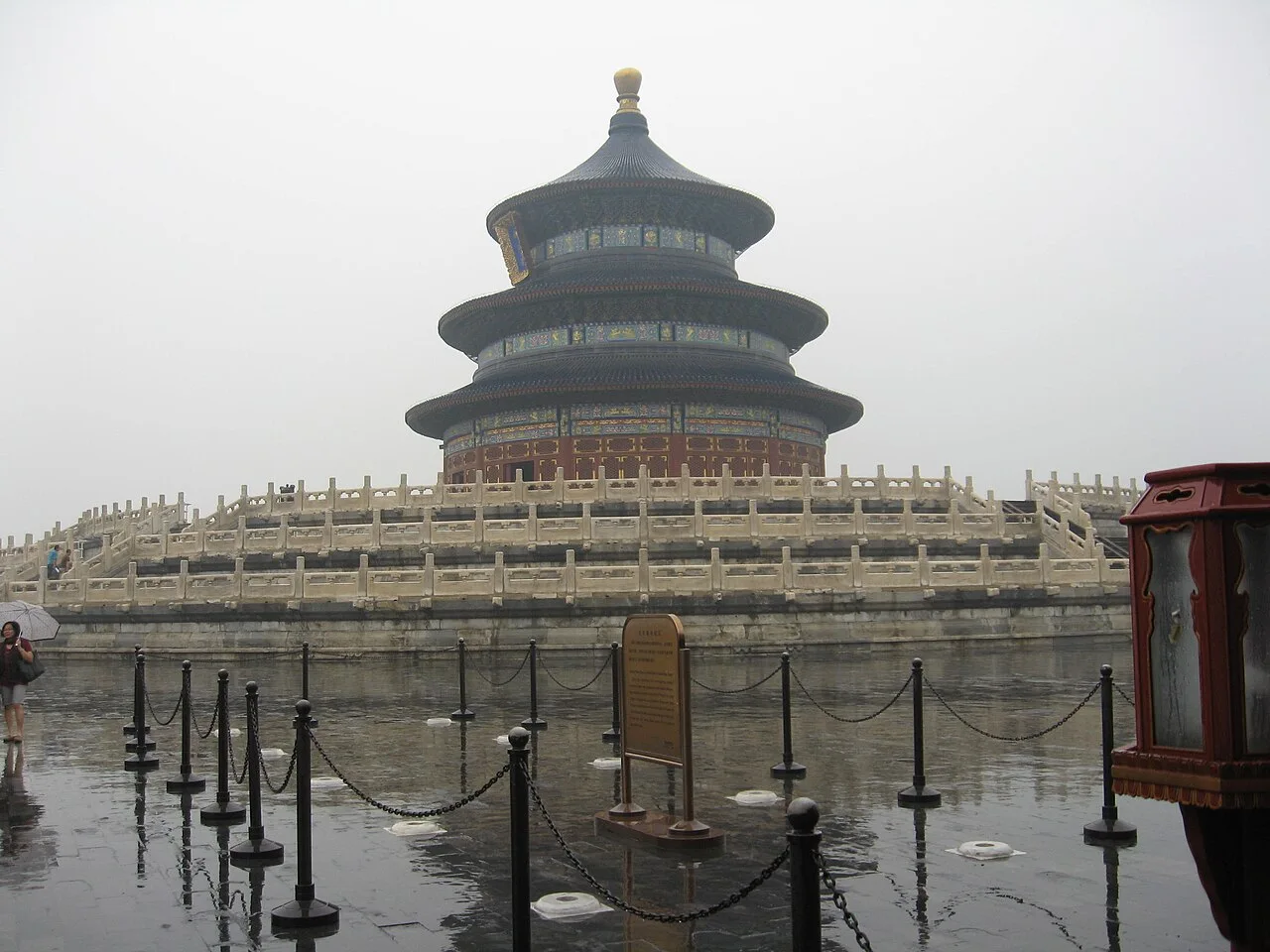
The Temple of Heaven was not another imperial residence equivalent to the Forbidden City. UNESCO describes ritual buildings, gardens and historic woodland symbolising the relationship between heaven, earth and the emperor’s role. That difference is the reason to include both visits: one explains the palatial dimension of power, the other its ceremonial expression.
Before going, investigate the admission options and distinguish park access from any monumental enclosure you want to enter. Do not choose a product solely because it uses a photograph of the best-known circular building. Check inclusions and the opening arrangements for specific spaces, which may differ from those of the wider outdoor area. The decision should reflect what you want to see rather than merely the lowest ticket price.
During the walk, notice how buildings relate to open space, paths and vegetation. The geometry of the ensemble contributes to its meaning. Choose a few viewpoints and spend time understanding them instead of treating every section as another box. The outdoor setting offers a change of pace after museum collections, but still involves walking and exposure to the weather.
Dress for Beijing’s season and actual forecast. With children or companions who tire easily, agree on a shortened route and a rest point before starting. If you require particular accessibility arrangements, ask about the entrance and path you intend to use; a large park is not necessarily uniform. Respect everyday users of the space and ask before taking close photographs of people.

Mutianyu: give the Great Wall its own day
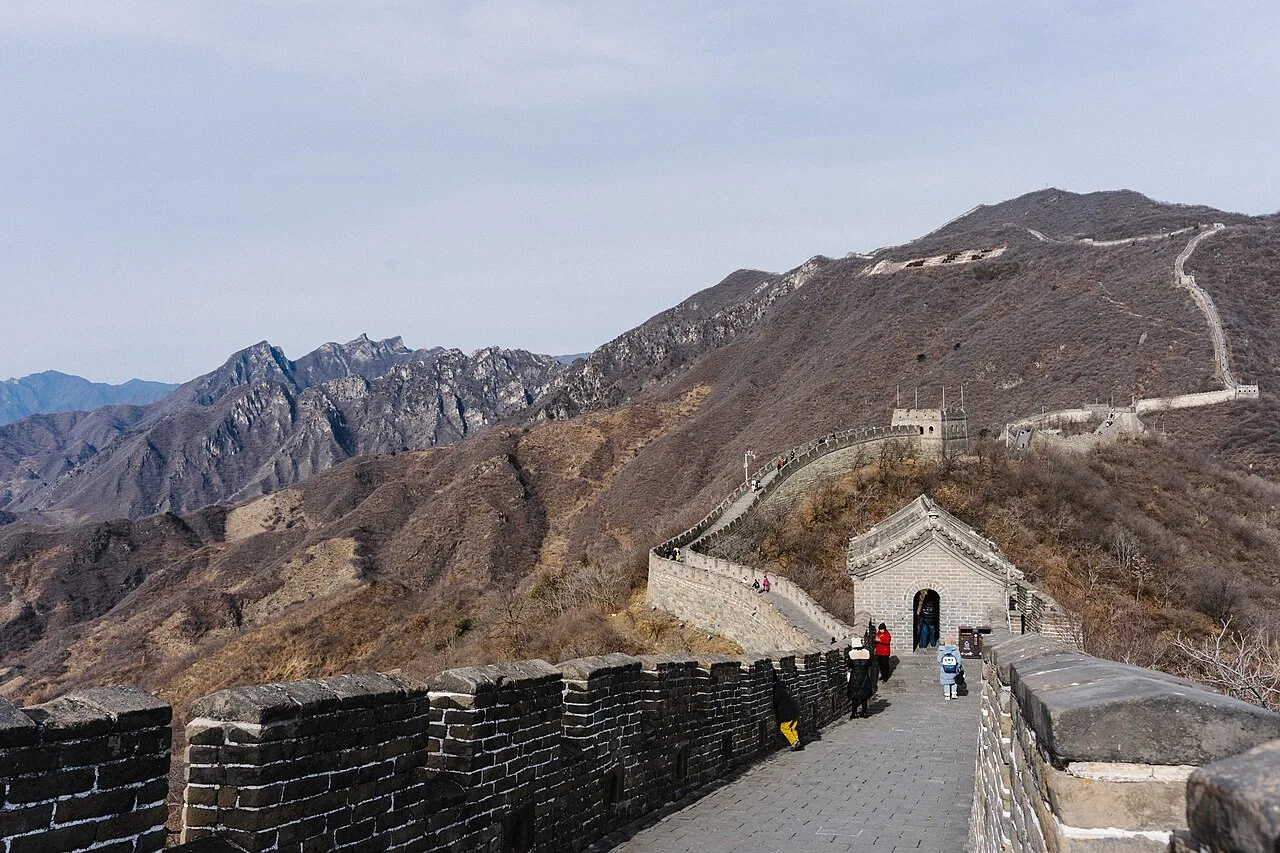
Mutianyu is a visitor section of the Great Wall with official information about admission, routes and arrival options. The interest is not in walking the greatest possible distance but in seeing the relationship between the construction and the shape of the mountains. A dedicated day prevents an excursion outside Beijing from being treated like a short transfer between central museums.
Compare transport and access choices before paying. Request a breakdown of any package: transfers, admission and possible ascent or descent services should not be treated as interchangeable. Confirm where the service starts and finishes and whether the return time is fixed. Independent travellers should read the official arrival information and establish a return alternative before setting out.
Choose the walk according to your physical condition and the day’s circumstances. Using a mechanical ascent service, when available, does not remove every stair or gradient above. Do not aim for a fixed number of towers simply because a video recommends it. Set a turnaround point with enough time left and avoid continuing when the extra effort could compromise the return journey.
Mutianyu’s website publishes seasonal opening arrangements and notices. Check those applying to your date alongside the forecast and service conditions. Grippy footwear, suitable weather protection and water matter more than a lengthy photography session. Remain within authorised sections rather than heading into closed areas to obtain a picture without other people. A shorter, well-planned walk can still be an excellent experience.

Arrange documents and keep the order adaptable
Start with Palace Museum availability and fit the other days around it. Prepare documents, confirmations and saved addresses in a form that does not depend on one application working perfectly. With a guide or driver, confirm communication language, meeting point and contact arrangements for delays. Those details are better resolved beforehand than on an uncertain connection immediately after arrival.
Separate admission, additional galleries, the Mutianyu journey, meals and urban transport in your budget. Buying the broadest package is not necessary for a meaningful visit. If weather makes the excursion unsuitable, check permitted changes and official notices; a reservation does not guarantee comfortable walking conditions. Preserve time between returning from the wall and any important departure from Beijing.
A route to get you started
- Day 1: enter the Forbidden City with your reservation and documents ready. Choose a route suited to your time and allow for orientation and rest. If availability requires another day, move this visit before committing to the remaining services rather than trying to force an impossible sequence.
- Day 2: give a substantial block to the Temple of Heaven, distinguishing outdoor areas and ticketed interiors according to your admission. Observe the relationship between architecture and landscape and keep the afternoon flexible. A less rigid day is useful before a more demanding excursion.
- Day 3: travel to Mutianyu with transport and the return journey confirmed. Walk only a section appropriate to your energy and leave room to get back. Do not attach this excursion to a tightly timed flight without seriously assessing travel margins and potential delays.
Good to know
Can I buy a Forbidden City ticket when I arrive?
The official visitor page consulted states that tickets are not sold for the same day. Arrange admission beforehand and review updated instructions, including required documents and information. Arriving early is not a substitute for a valid reservation for the date you intend to visit.
Are the Forbidden City and Temple of Heaven similar visits?
No. The palace museum relates to imperial residence, government and collections, while the Temple of Heaven explains ritual and its architectural expression. They provide complementary perspectives. Squeezing both into one day may leave too little time to appreciate what makes them different.
Is Mutianyu easy for every visitor?
That cannot be guaranteed. Gradients, steps, weather and individual circumstances all matter. Ask about accessibility and access services, choose a short section if appropriate and do not assume a mechanical ascent removes all physical effort. Obtain specific information before purchasing a package.
What is the best order for the three days?
Use Forbidden City admission as the first constraint, then adapt the rest to the calendar and weather. The wall needs a dedicated excursion day, while the Temple of Heaven offers a more flexible urban visit. Confirm the current arrangements for each place rather than relying on a fixed order.
Beijing gains depth when palace, ritual landscape and defensive architecture are treated as distinct experiences. With Forbidden City admission arranged, a day for the Temple of Heaven and another for Mutianyu, a first stay can reveal three dimensions of imperial heritage without becoming a chain of hurried transfers.