
For a first visit to Nikko, combine Shinkyo Bridge, Toshogu, Rinnoji, Futarasan and the Kanmangafuchi walk. These five central places bring together religious heritage and a riverside landscape without trying to cover the entire mountain region in one outing. The useful decision is which interiors deserve your time and how much room to leave for walking between them.
Although many visitors arrive from Tokyo, Nikko should not become a checklist that must be finished before a return train. The precincts sell different admission products, and the final walk has a more natural setting. Official tourism also recommends considering an overnight stay. Use this selection for a concentrated day or spread the places across outings according to connections, pace and conditions on your date.
Before you pack
- Destination
- Central Nikko, Tochigi Prefecture, Japan
- Selection
- 5 places: bridge, shrines, temple and riverside walk
- Arrival
- JR Nikko or Tobu-Nikko Station, depending on your route
- Important
- Transport passes do not automatically include attraction admission
1. Shinkyo Bridge: begin with the river and the sacred landscape
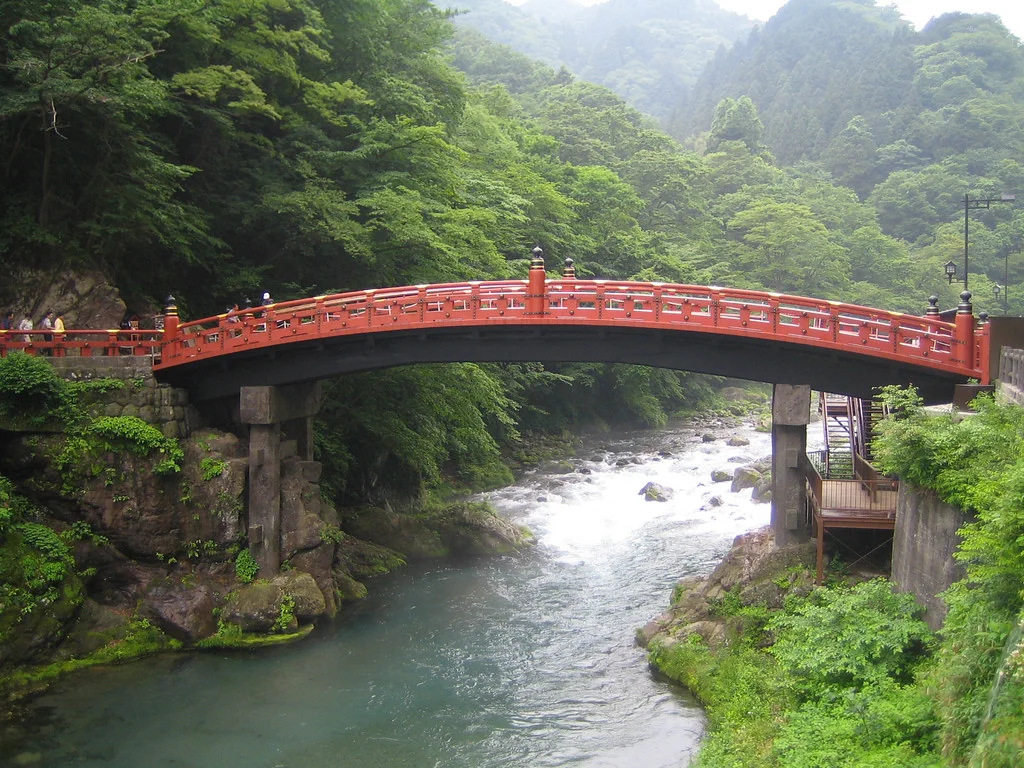
The red Shinkyo Bridge crosses the Daiya River and provides a recognisable introduction to Nikko’s historic area. It belongs to Futarasan Shrine, but that relationship does not mean that a single admission ticket covers every place associated with the shrine. Official tourism recounts the story of the monk Shodo and snakes transforming into a bridge. Appreciate it as religious tradition rather than confusing it with documented construction history.
Separate two activities when planning the stop: looking at the bridge from its surroundings and entering the bridge itself. The official entry consulted on 5 November 2026 lists a JPY300 crossing ticket and specifies cash payment at the counter. Check access conditions before purchasing rather than treating the bridge as the ordinary pedestrian shortcut to your next temple.
Look at the river and the bridge’s position within the valley as well as at the red structure. This introduces the landscape accompanying the rest of the route without promising a photograph with a particular colour of autumn foliage. Keep passageways clear and leave enough time to continue towards the heritage precincts after you finish looking.
2. Toshogu Shrine: Yomeimon Gate and the carved details
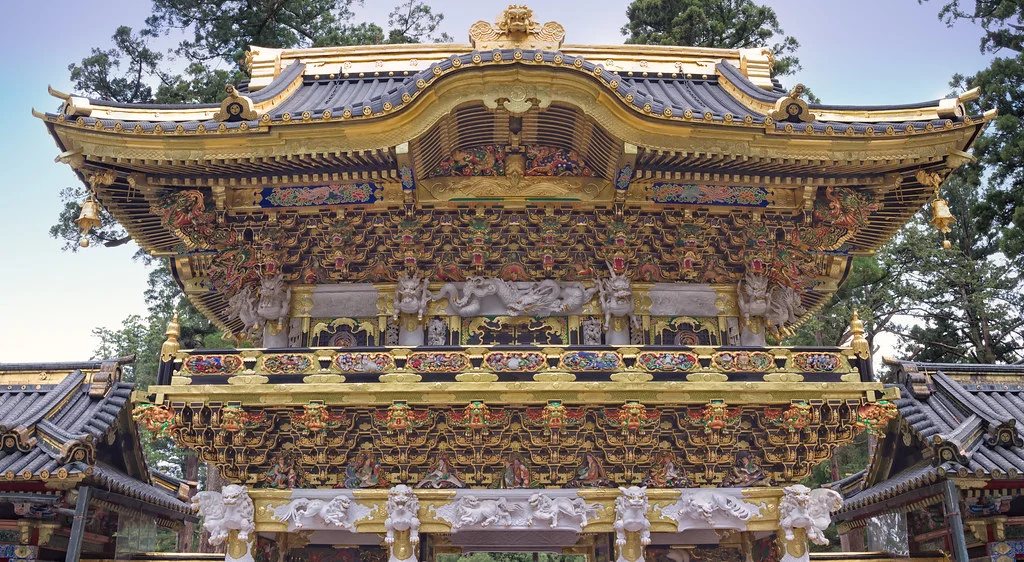
Toshogu is the shrine where Tokugawa Ieyasu is enshrined. It offers something quite different from a simplified image of an austere Japanese religious building: official tourism highlights Yomeimon Gate, elaborate carvings, painted decoration and gold leaf. Look carefully at the details rather than reducing the entire visit to one photograph of the gate. Among the motifs identified by the source are the three monkeys and the sleeping cat.
Distinguish shrine entry from products adding museums. The consulted official guide listed JPY1,600 for shrine-only admission, with museums and combinations presented separately. A product containing the word Toshogu does not establish which buildings it covers. Read its components and check the last admission for your date before arranging the rest of the day around it.
Online booking introduces another distinction. The tourism entry describes certain intermediary vouchers that must be exchanged for a physical ticket at Tobu-Nikko Station Tourist Center. They cannot be exchanged at the shrine entrance. Read the instructions for the actual product you buy rather than assuming that this arrangement applies identically to every seller or every ticket.
3. Rinnoji: choose the parts of the temple you want to see
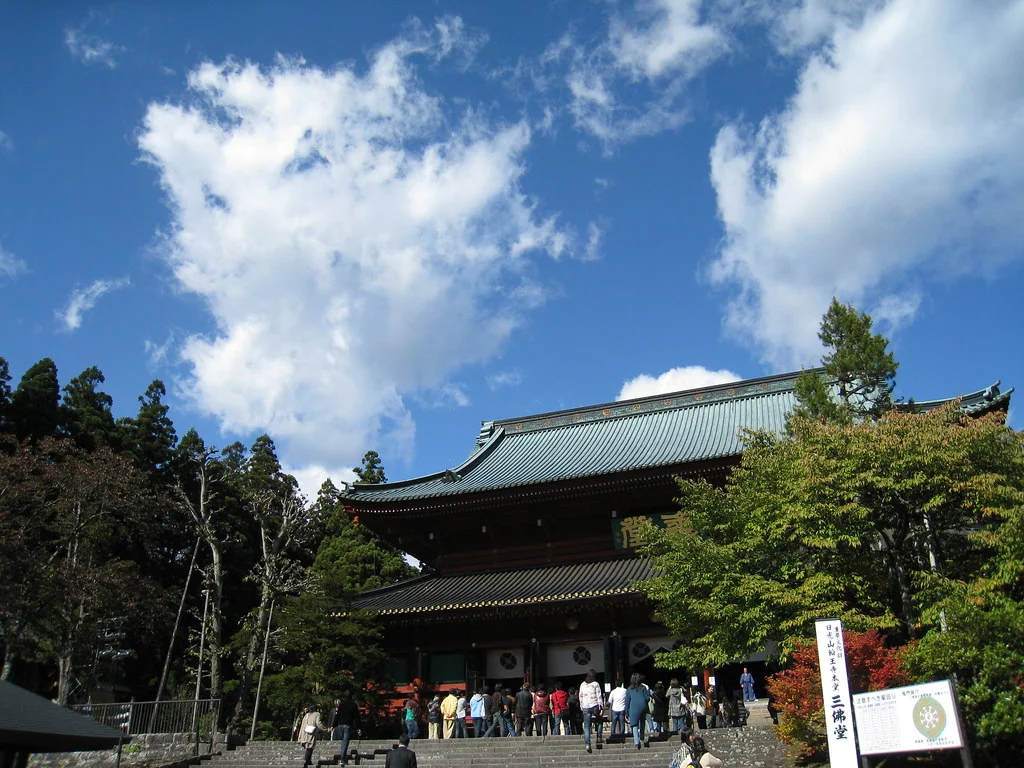
Rinnoji introduces Buddhist tradition into a route that also includes Shinto shrines. Sanbutsudo is its main hall, described by official tourism as a substantial wooden building housing three large gilded images associated with Nikko’s mountains. The visit is more than an architectural comparison: pay attention to the religious significance of the images and the directions for moving through the building. Take photographs only where the site’s signs permit them.
The name Rinnoji covers different visitor experiences. The main hall, Taiyuin, the treasure museum and Shoyoen garden should not be treated as though every area automatically comes with the basic ticket. The consulted guide lists JPY400 for Sanbutsudo and presents other prices and combinations separately. Decide what interests you before comparing products. The most extensive option adds little if your schedule leaves no time to use it.
For a first look at central Nikko, prioritising Sanbutsudo keeps the route manageable. If you want to add another part of the complex, allow real time for it and shorten something else. This guide counts Rinnoji as one of its five places rather than presenting every component as an effortless extra stop.
4. Futarasan: Nikko’s relationship with its mountains
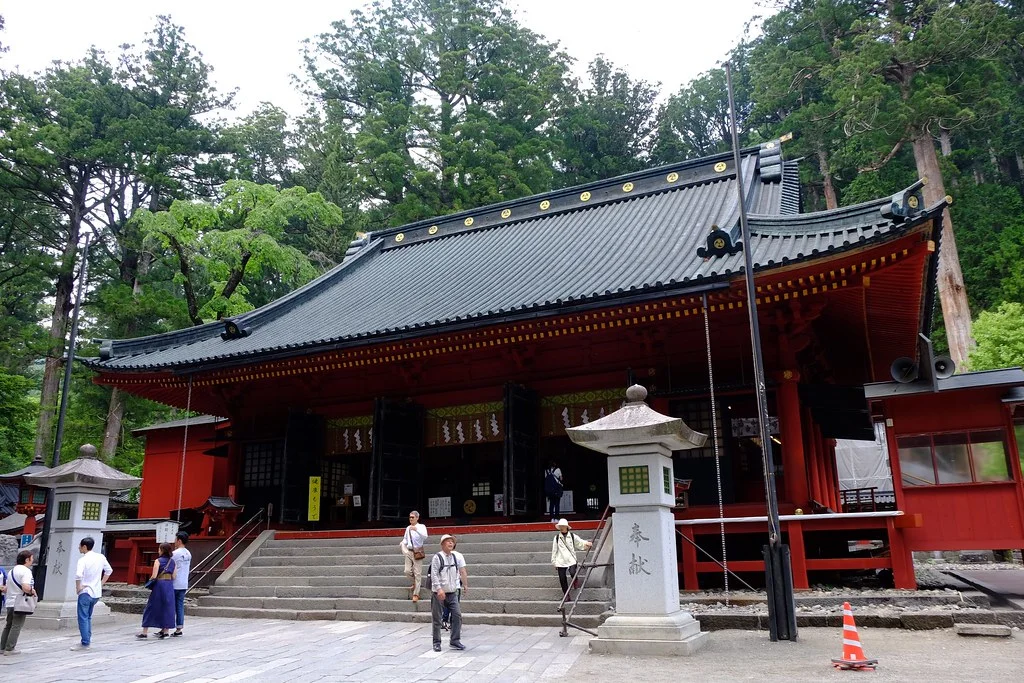
Futarasan Shrine connects the visit with worship of Nikko’s surrounding mountains, particularly Mount Nantai. Its central precinct offers a different scale and atmosphere after Toshogu’s elaborate ornament. Official tourism also highlights gardens and spring water. Appreciate the relationship between buildings, vegetation and religious practice rather than simply adding another name to a sightseeing checklist.
Locate the Futarasan precinct in the central heritage area. The shrine’s name is also associated with other mountain locations and Shinkyo, so a general map search can take you to a different part of the region. Check the particular place and address before selecting a bus journey or reserving admission.
The JPY300 price in the consulted entry refers to the Shinen sacred garden. It is not a general ticket for all of Nikko’s temples and shrines, and it does not replace the Shinkyo Bridge ticket. Check what each purchase includes and respect areas used for prayer. If you do not enter the garden, adapt your visit to the areas that are open and permitted.
5. Kanmangafuchi: a riverside walk among Jizo statues
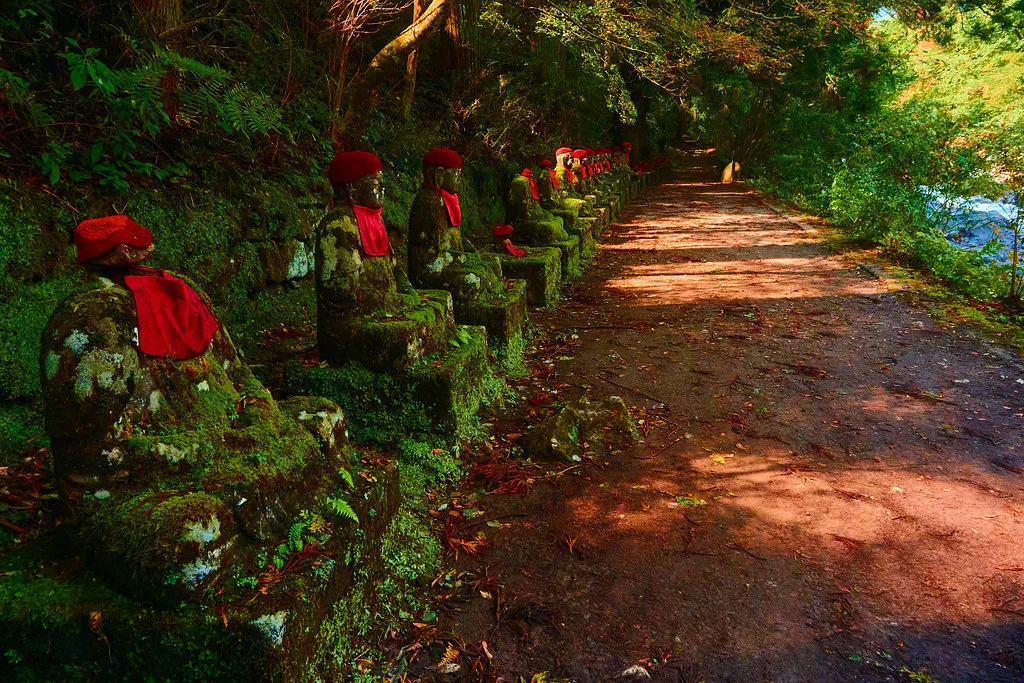
Kanmangafuchi brings nature into the cultural route. Official tourism describes a gorge beside the Daiya River, with a path and Jizo statues associated in Buddhist tradition with protecting children and travellers. The story that their number changes each time they are counted belongs to legend. You do not need to present it as a proven phenomenon to find the place interesting.
Allow this walk its own time. Do not automatically add it when daylight is fading and a return train is approaching. Visitor information describes a bus approach via Sogokaikan-mae followed by walking, while the official itinerary also links it on foot from the heritage area. Choose your approach according to your route, the weather and your remaining energy rather than assuming a bus delivers you directly to every statue.
Walk with sufficient daylight and attention to the ground. A year-round listing does not promise identical conditions after rain, ice or local disruption. Respect the figures, objects placed beside them and other visitors. The archive photographs show the location rather than guaranteeing the same vegetation, light or visitor numbers on your travel date.
Getting from Tokyo: separate train journeys, buses and admission
Official tourism describes Tobu services from Tokyo and a JR route through Utsunomiya connecting with the Nikko Line. Check the particular train and connections: services, passes and supplements do not all work in the same way. Distinguish JR Nikko and Tobu-Nikko stations when planning arrival, departure and any ticket-voucher exchange you have purchased.
Sightseeing buses connect both stations with the heritage area. Check the route and the stop for each visit before boarding; the day does not need to become a succession of bus rides when nearby precincts can be linked comfortably on foot. The official guide warns of substantial autumn congestion. This central route therefore does not also attempt Lake Chuzenji and Okunikko as though they were a brief detour.
Budgeting: a transport pass does not open every temple
Official information says NIKKO PASS products do not include temple and shrine admission and require a separate limited-express supplement. Compare a pass against the transport you will actually use rather than the number of monuments on your list. A seat reservation, a transport ticket and a voucher to exchange for attraction admission are also different things.
For reference on 5 November 2026, the individually listed rates for Shinkyo JPY300, basic Toshogu JPY1,600, Sanbutsudo JPY400 and the Shinen garden JPY300 totalled JPY2,600. That is the sum of those four entries if you choose all of them, not a pass or a full trip budget. Transport, food and extra museum or temple areas are separate. Check your category, payment method and current rates before purchasing, and prioritise visits you will genuinely have time to enjoy.
A route to get you started
- From your station, arrange the approach to Shinkyo, then link Rinnoji, Toshogu and Futarasan according to your selected tickets and their visitor hours. Their proximity helps group the visits but does not remove the time spent inside. Check any voucher-exchange instructions before leaving the Tobu-Nikko station area.
- Keep Kanmangafuchi for a section with daylight and sufficient return time. If time becomes short, spreading visits across days is better than adding the walk automatically. This route stays in central Nikko. An outing to Okunikko needs separate planning and should not displace your planned return at the last moment.
Good to know
Can these places be visited from Tokyo?
Yes. Official tourism describes Tobu and JR connections to Nikko. Check your particular services and transfers, then plan within the time between arrival and departure. You do not have to enter every interior for the trip to be worthwhile.
Does NIKKO PASS include temple admission?
No. Official visitor information says temple and shrine admission is not included and limited-express trains need a supplement. Read the conditions of the actual product you purchase and separate transport, seat reservations and admission to each precinct.
Are Shinkyo and the Futarasan garden separate tickets?
The official guide presents a bridge ticket and a Shinen sacred-garden ticket separately. Both relate to Futarasan and each has a reference price of JPY300, but that does not establish a single combined admission or mean one ticket covers the other.
Should I add Lake Chuzenji to this same route?
This selection concentrates on central Nikko and Kanmangafuchi. Official tourism warns of autumn congestion and distinguishes Okunikko as another area. Plan its transport separately instead of treating it as a quick addition to an already full day.
Nikko becomes easier to plan when its differences are clear: viewing a bridge is different from entering it, shrine and museum tickets cover different things, and transport passes do not replace cultural admission. Choose where to spend time and give attention to the landscape and religious settings. Our Tokyo, Kyoto and Kanazawa guides provide other starting points for a wider Japan journey without confusing their routes with those in Nikko.
Sources consulted
- Shinkyo Bridge | Nikko Official Guide —
- Nikko Toshogu Shrine | Nikko Official Guide —
- Nikkosan Rinnoji Temple | Nikko Official Guide —
- Nikko Futarasan-jinja Shrine | Nikko Official Guide —
- Kanmangafuchi Abyss | Nikko Official Guide —
- Central Nikko's Highlights for the Time Pressed | Nikko Official Guide —
- Getting Here & Around | Nikko Official Guide —
To combine this visit with other destinations, see the Japan guide.