

Melbourne offers a rewarding first visit even when you are not looking for an endless attraction checklist. This route brings together international art, a botanic garden and a public library with an exceptional reading room. NGV International, Royal Botanic Gardens Melbourne and State Library Victoria allow you to alternate observation, walking and rest. The experiences do not all depend on the same ticket arrangements or the same weather conditions, which makes thoughtful rearrangement possible.
Treat the proposal as a two-day cultural introduction that you can shorten or extend according to your interests. Full venue names matter: the NGV has more than one building, and Royal Botanic Gardens Victoria includes different destinations. Save the actual addresses in this selection before setting out. A shared institutional name does not turn two locations into a single stop or make their calendars interchangeable. Clear identification is a small planning step that can prevent a substantial detour.
Before you pack
- Suggested time
- Two days, adjusted to your pace
- Places in this route
- Three selected places
- Destination
- Melbourne
NGV International: make a deliberate choice of art
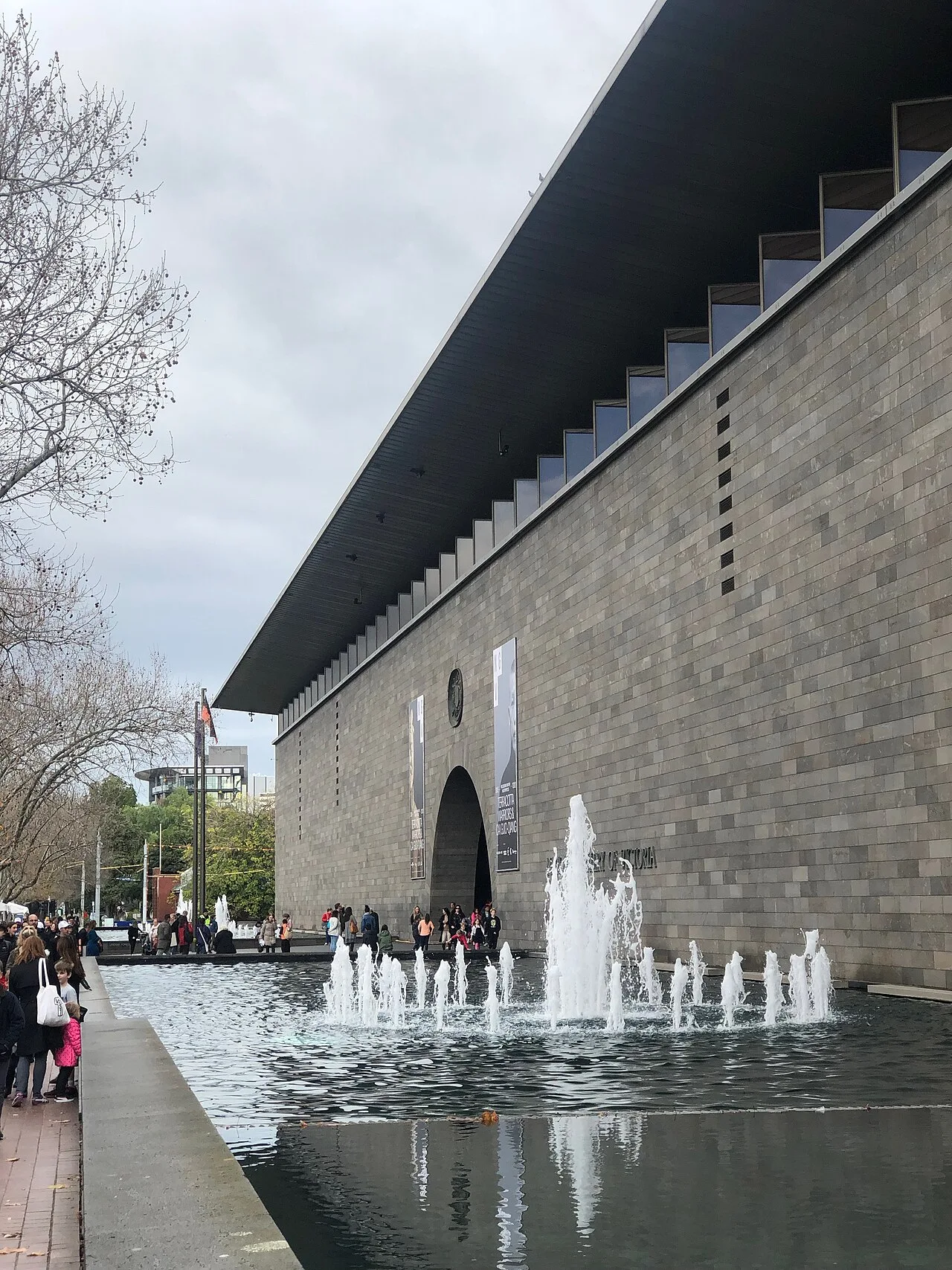
NGV International stands on St Kilda Road and presents art and design from around the world. The institution distinguishes it from The Ian Potter Centre: NGV Australia at Fed Square, which focuses on Australian art. This guide selects International. Understanding the distinction avoids booking an exhibition at one venue and arriving at the other after following a general search result for the NGV name without checking the actual building listed on the ticket.
Official visitor information lists free general entry, with possible charges for special exhibitions. Check the scope of each product and the current gallery map before planning your route. When consulted in October 2026, the museum also warned that selected spaces could close temporarily between 7 September and 13 December 2026 for the installation of the Triennial. Review that notice if travelling during the period: an advertised collection does not mean every gallery is simultaneously accessible. Choose a few works or themes and allow time to look properly, rather than trying to pass through every available room.
Royal Botanic Gardens Melbourne: observe a living collection
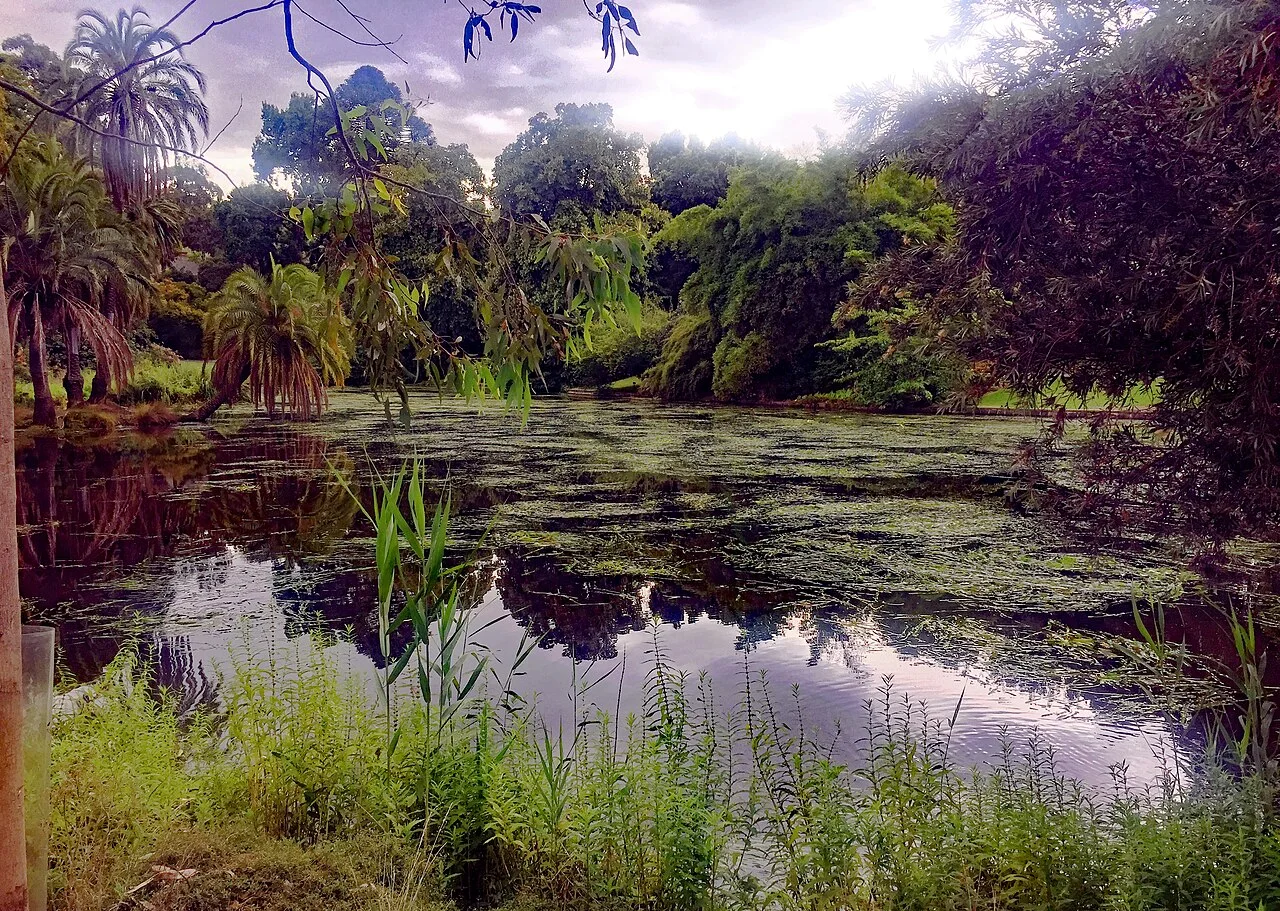
Melbourne Gardens covers more than 38 hectares and holds botanical collections serving conservation, research and education as well as landscape enjoyment. Official information lists free general admission while distinguishing specific experiences and activities. This stop is the Melbourne site on Birdwood Avenue. Do not confuse it with Cranbourne Gardens, which belongs to the same organisation but involves different transport planning and is not simply another entrance to the place described in this route.
Choose your circuit from the map according to how long you want to walk. Ornamental Lake provides a useful reference point, while plant labels reveal origins and relationships that a photograph alone cannot explain. The institution advertises experiences including the Aboriginal Heritage Walk, offering an introduction to First Peoples' knowledge and culture. If interested, check availability, conditions and booking rather than assuming it comes with an independent garden walk. Carry water and adapt the route to the weather. Spending time with one small collection can be more rewarding than crossing the entire garden without stopping to notice what grows there.

State Library Victoria: visit without interrupting its readers
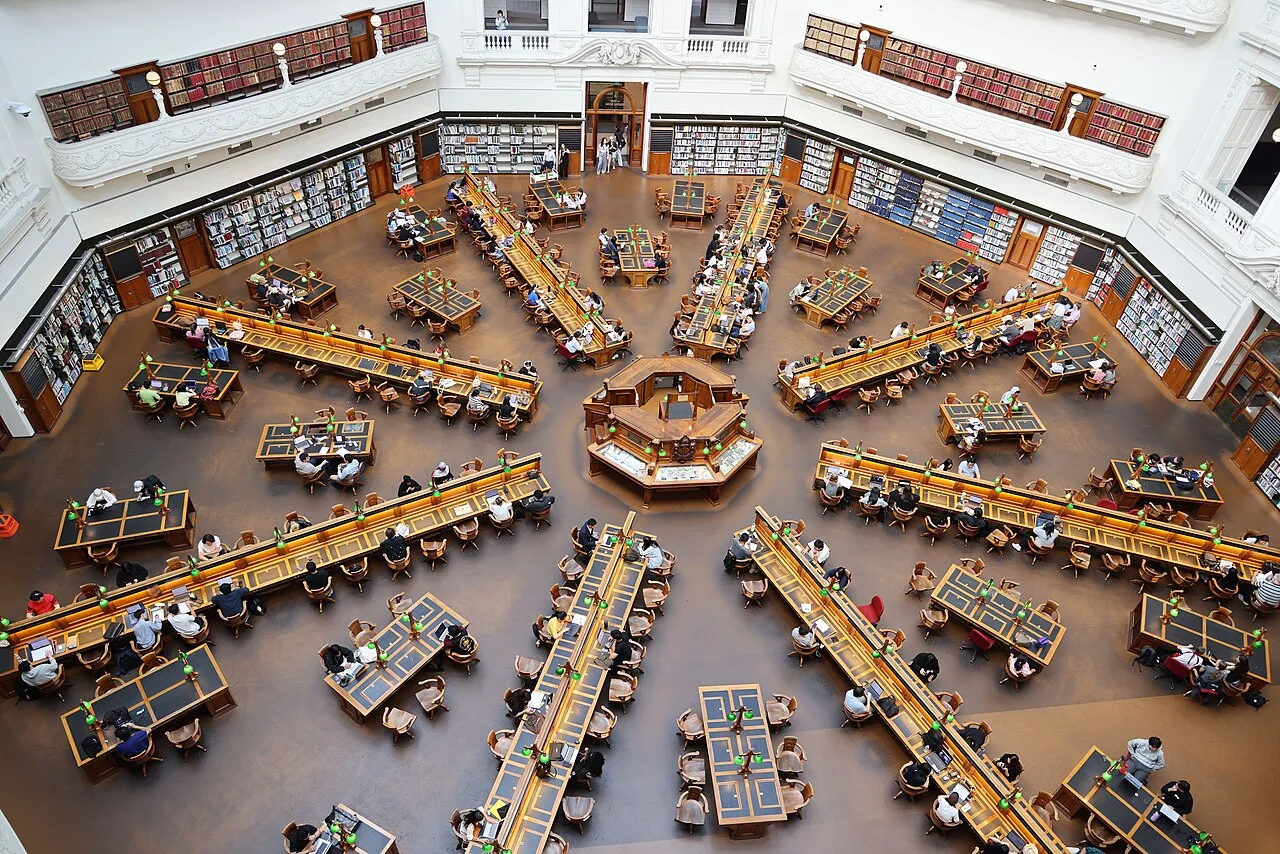
State Library Victoria is on Swanston Street and remains a working place of research, study and public activity. Its La Trobe Reading Room, opened in 1913, has an octagonal plan beneath a great dome. The library describes the desks radiating across the space and their distinctive green glass lamps. The room demonstrates how architecture organises reading and light, as well as providing one of the institution’s most recognisable images. Its appearance is inseparable from its continuing use.
The same official information stresses that this is a quiet study space. Move without blocking desks and respect people working there; a photograph is not a reason to approach someone intrusively or interrupt their concentration. Check which galleries and balconies are open and how to reach them, because an elevated view depends on access to those spaces. The library explains routes by stairs and lifts, with lifts serving the Dome Galleries when those areas are open. Look at current exhibitions and visitor information too, so your visit extends beyond collecting an image of the ceiling.

Combine interiors, transport and outdoor time thoughtfully
This route allows changes when the weather shifts, but reservations and access conditions still need attention. A rainy day may favour the library or museum, provided the venue is open and your chosen activity is available. A garden walk should not become an obligation during a closure notice or uncomfortable conditions. Read the official visitor pages before leaving your accommodation, particularly when a specific exhibition is the main reason for the day and a changed room arrangement would affect your plans.
For transport, identify the actual addresses and the connection that serves each part of the journey. Do not assume every ride is free or that a free-travel area automatically covers every institution around the wider centre. Check the operator’s current rules before boarding. If walking between visits, assess the actual route and protect a meal break. Choose accommodation according to useful connections and the rest you need rather than trying to sleep exactly halfway between three places with quite different visiting rhythms. A practical base can be more helpful than a geometrically central one.
A route to get you started
- Day one: combine NGV International with a walk in Melbourne Gardens when weather permits. Start with either the museum or gardens according to reservations and preference, but avoid rigid finishing times for both. An exhibition may deserve more attention than expected, while the gardens reward stopping. Leave a proper break between the two blocks for food, rest and deciding how much of the remaining plan still feels appealing.
- Day two: give State Library Victoria time for observing La Trobe and exploring open spaces or exhibitions that interest you. Remember that people studying there also need to use the building. Afterwards, decide which part of the city you want to explore next or return to an interest from the previous day. This selection does not require every spare hour to be filled with another cultural institution.
- With only one day, choose two places according to the weather and your priorities. A relaxed botanical walk may be the centrepiece for garden enthusiasts; museum and library offer a clear connection for visitors interested in art and architecture. With children, reduce uninterrupted gallery time and alternate looking with breaks. For a longer stay, book specialist experiences that add knowledge, without assuming spaces will always be available on arrival.
Good to know
Are NGV International and NGV Australia in the same building?
No. The institution distinguishes NGV International on St Kilda Road from The Ian Potter Centre: NGV Australia at Fed Square. This guide selects the former. Check the venue named on an exhibition listing or reservation and save its address. A general search for NGV can return information covering both locations, so identifying the actual building prevents an avoidable mistake.
Does free admission cover every museum and garden activity?
Not necessarily. The NGV advertises free general entry, but some special exhibitions may require payment. Melbourne Gardens similarly separates general access from particular experiences and activities. Read the conditions for what interests you rather than extending the site’s general admission arrangement to every guided walk, performance or programme that requires its own reservation.
Can I visit La Trobe just to take a photograph?
The library describes the room as a quiet study space and also provides visitor information. Check current rules, available entrances and open galleries; respect readers and avoid obstructing their work. A more meaningful visit can include looking at the architecture and exploring an exhibition, rather than treating the entire building only as a background for one photograph.
Melbourne comes into focus through the contrast between an art collection, a botanical landscape and a library in everyday use. The three places in this route have their own identities and require a few deliberate planning choices. Confirm the venues, check activities needing reservations and pay attention to partial closures. With time to observe and rest, this cultural introduction can become more memorable than a longer list of stops visited without context or attention.