

Dubai becomes more interesting when it is not reduced to a sequence of skyscrapers. In two days you can combine Burj Khalifa with Al Fahidi Historical Neighbourhood and Dubai Creek. These provide three complementary perspectives: the vertical scale of the present city, the architecture of a heritage district and a waterway that remains part of everyday movement.
This guide gives one day to the tower and another to the Creek area. Separating them avoids repeated journeys across the city and leaves room for heat, transfers and breaks. For an October trip, check the forecast before scheduling long outdoor walks. This is an editorial selection, not a search popularity ranking or a promise that the attractions will be quiet.
Before you pack
- Suggested time
- Two days, adjusted to your pace
- Places in this route
- Three selected places
- Destination
- Dubai
Burj Khalifa: choose the experience before buying admission
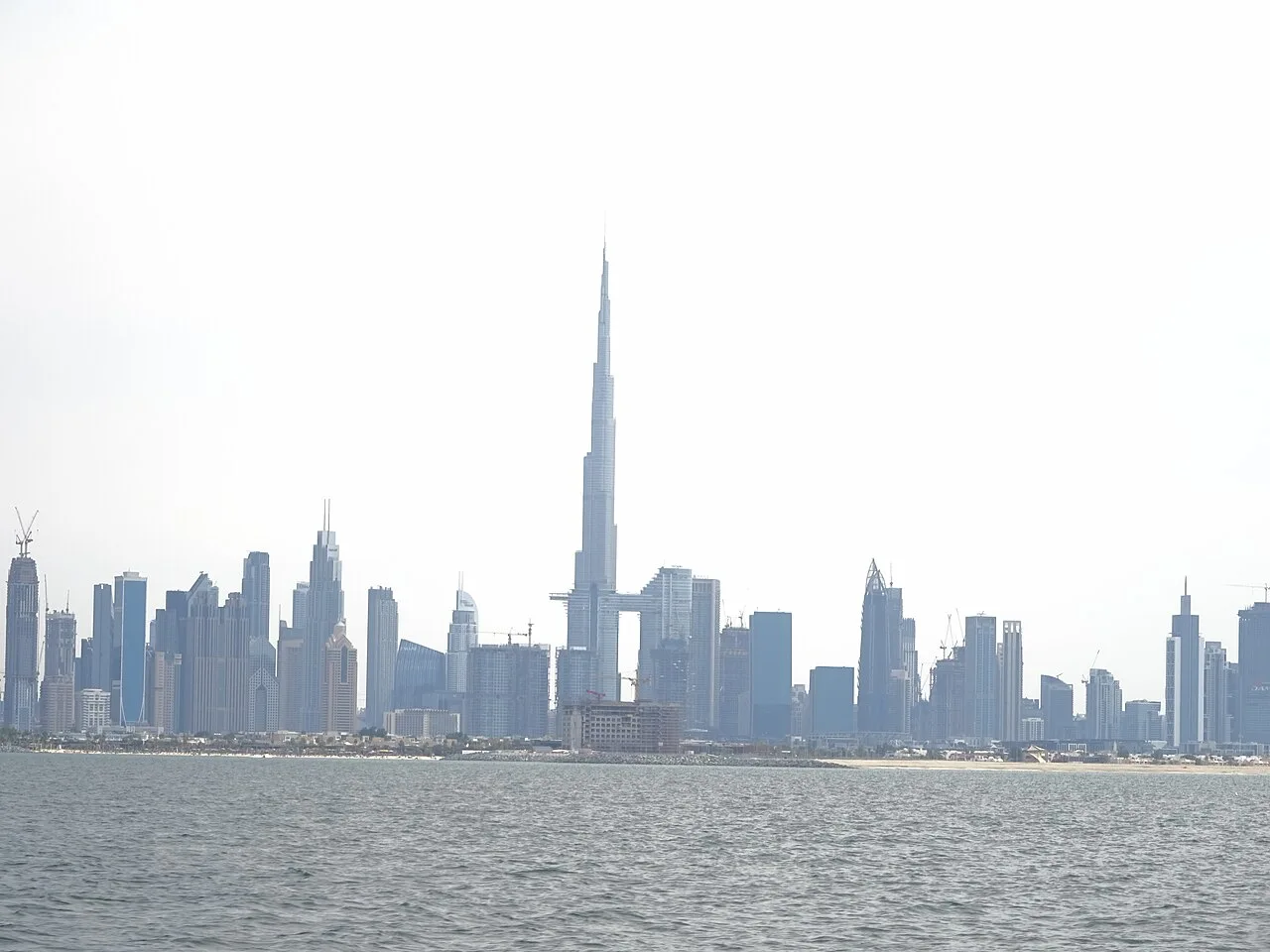
Burj Khalifa reaches 828 metres and opened in 2010, according to Visit Dubai. Its height explains much of its appeal, but planning requires a distinction between seeing the tower from outside and visiting an observation deck. The tourism authority describes access to floors 124 and 125, as well as a separate experience on floor 148. Different tickets do not necessarily provide the same height or service.
Before booking, compare the included floors, admission time and change conditions. A more expensive product is not automatically better for your trip. If your main interest is seeing the structure within the skyline, an exterior visit can be worthwhile. If you want the view from above, choose a ticket you can enjoy without consuming the budget for the rest of the itinerary.
A reservation around sunset does not guarantee a clear sunset view. Visibility, cloud and haze can affect the experience. Allow time for arrival, checks and circulation as well as the lift journey. The metro station associated with the complex should not be understood as instant arrival at the observation deck entrance. Include the final approach in your timing.
For photographs from inside, reduce reflections where possible without blocking other visitors and follow the venue’s rules. If you stay outside, retain a shaded break. The purpose is to appreciate the building’s scale, not to feel obliged to purchase every additional experience marketed in the surrounding complex.
Al Fahidi: explore a heritage district at walking pace
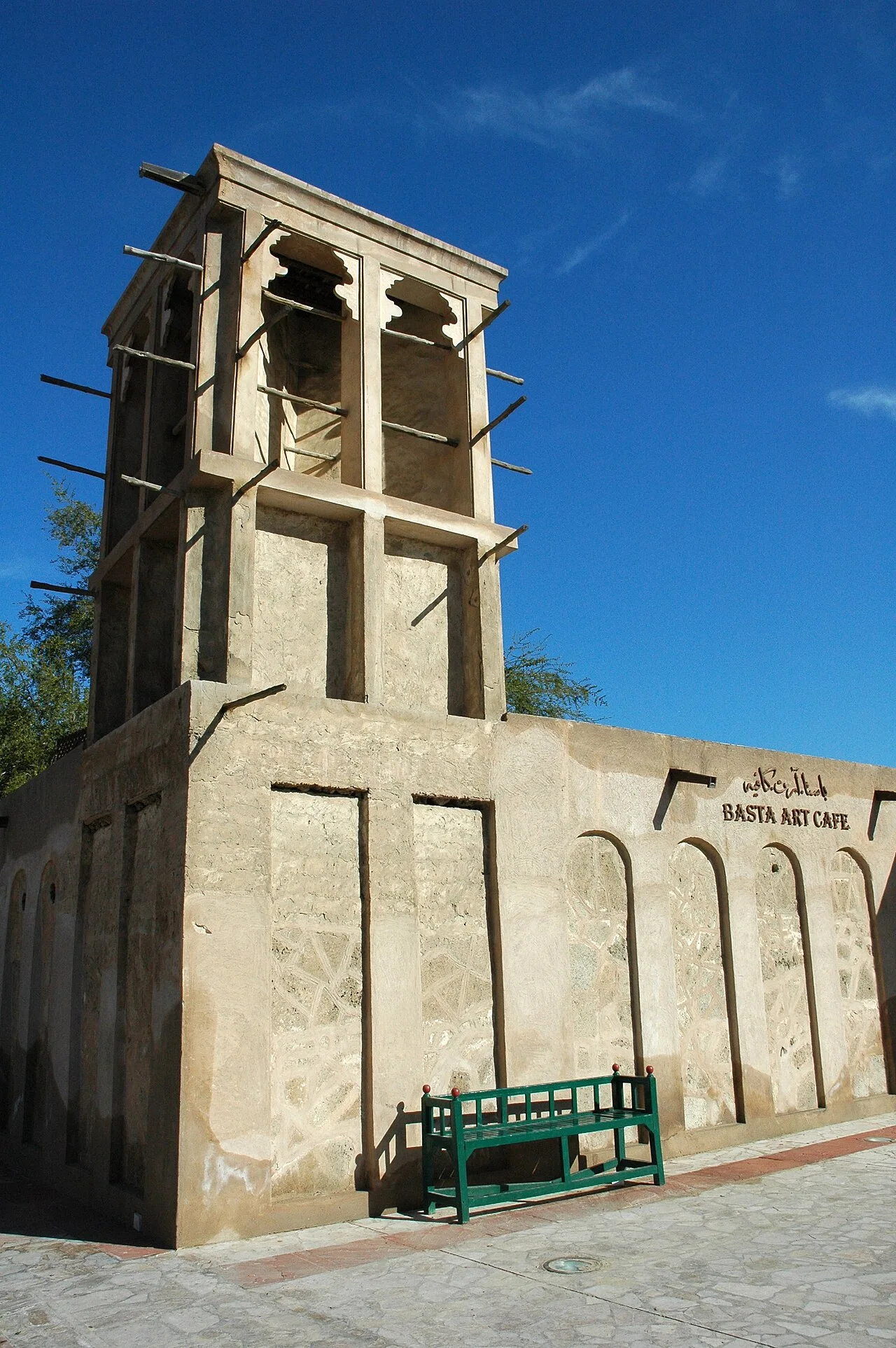
Al Fahidi changes the scale of the itinerary after Burj Khalifa. Visit Dubai presents it as a historic district beside the Creek with infrastructure associated with life in the mid nineteenth century. Its alleys, courtyards and wind towers offer a different reading of the city from the image of broad avenues and glass towers.
The visit works best as a slow walk that examines how buildings respond to their setting. Notice shade, the relationship between walls and narrow passages, and the towers rising above roofs. Do not confuse the neighbourhood with a single museum admission. Individual buildings have their own cultural or commercial uses; their opening hours and access conditions can differ even though the district’s streets connect your route.
Our suggestion is to choose a short circuit and give it attention rather than entering every open doorway. If you add a cultural activity, check its current programme and book it specifically. We do not treat a festival as confirmed merely because it appears on a general neighbourhood page. Event dates require separate verification before they become part of a travel plan.
Ask before photographing people and avoid entering courtyards or rooms that are not open to the public. The neighbourhood is more than a visitor backdrop. Use the exact location of your intended access point when planning transport, rather than a similarly named building. The photograph for this section represents the historic neighbourhood rather than using Al Fahidi Fort as a substitute for the district.

Dubai Creek: make an abra crossing part of the route
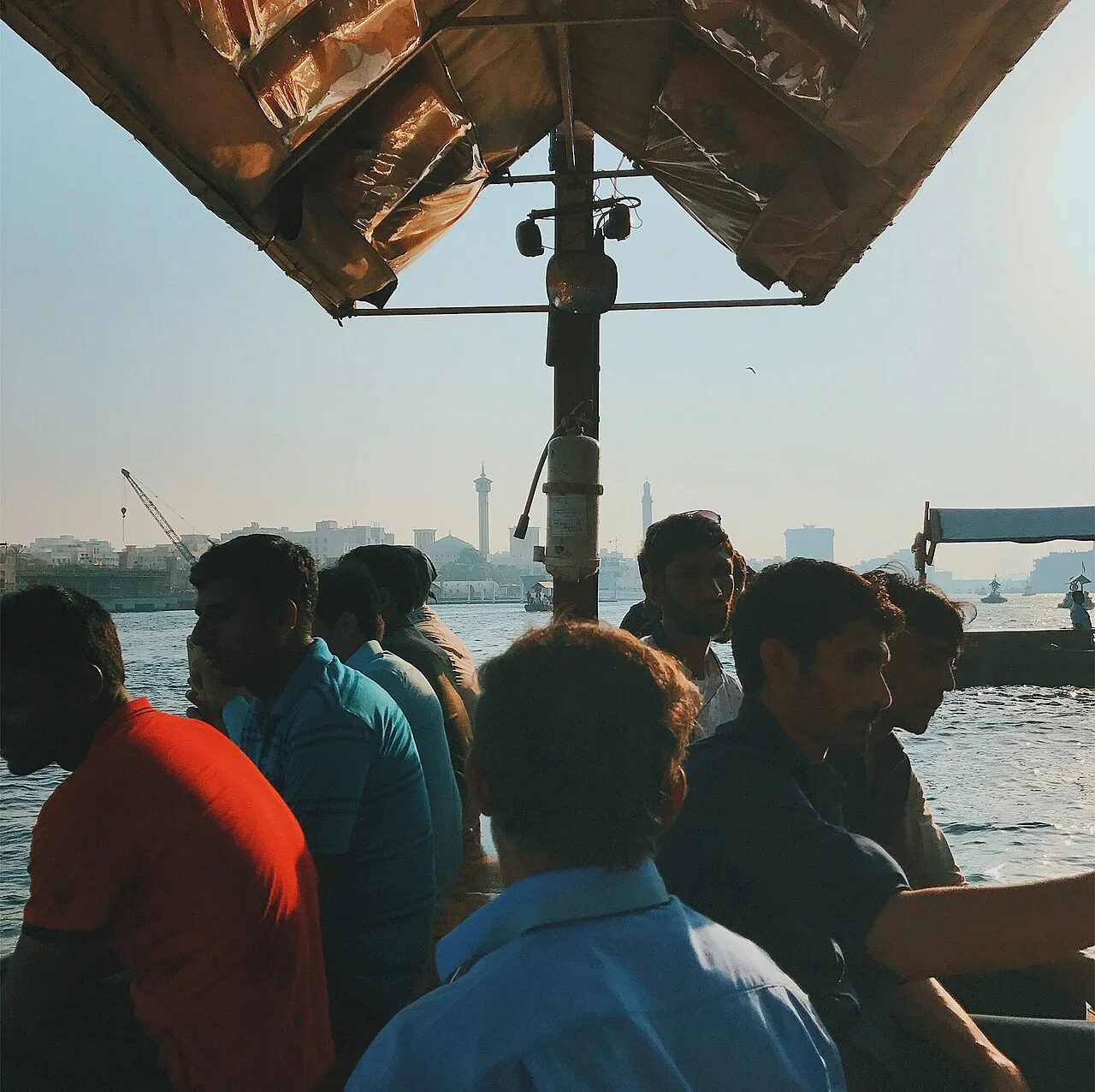
Dubai Creek separates Bur Dubai and Deira and has long been associated with commerce and port activity. Visit Dubai describes abras as traditional boats operating crossings between the banks. This experience reveals the waterfront from a different perspective and shows that the Creek is a transport setting as well as a visitor view.
Distinguish a shared crossing from privately hiring a boat for a longer trip. These are different services and should not be compared only because both use the word abra. Before boarding, confirm the destination, current fare, payment method and whether the journey is one way. A private hire is not required to include a short crossing in this itinerary.
Choose the station according to where you want to finish and how you will return to your accommodation. The piers are not interchangeable for every route. Let passengers leave first, follow boarding instructions and put your phone away while stepping on or off. If you need adapted access, ask about the particular vessel rather than assuming every boat has the same arrangement.
During the crossing, observe the combination of vessels, commercial buildings and traditional elements along the water. We do not promise an exact departure interval or unchanging journey duration; check actual operations on the day. The value of this stage is connecting the banks and finishing the heritage day with an experience different from walking through streets.

Dividing time and budget in Dubai
A balanced visit does not require a collection of expensive admissions. The observation deck is a significant spending decision, while Al Fahidi and the Creek provide another way to understand the city. Decide first whether you want to ascend Burj Khalifa and which ticket suits you. Then add transport, meals and any selected cultural activity without treating every commercial suggestion as an itinerary requirement.
Group Al Fahidi and the Creek on the same day because of their geographical relationship. Keep the tower as a separate block. Use the RTA journey planner and check the final walking section, particularly when heat is forecast. A short distance on a map can still be uncomfortable in direct sun. Scheduling breaks often improves the experience more than adding another attraction.
Check entry requirements for your nationality and current official travel updates before departure. In public and cultural spaces, wear clothing appropriate to the setting and follow local instructions. This guide does not set a universal budget because accommodation, observation deck times and selected services change the total. Compare equivalent options and keep a reasonable allowance for ordinary transport changes.
A route to get you started
- Day one: make Burj Khalifa the main activity. If ascending, organise transport around your chosen admission and allow time to find the correct entrance. If viewing it from outside, choose a comfortable walking period and do not turn the saving into pressure to buy unrelated extras.
- Day two, first part: explore Al Fahidi through a short walk with pauses to examine wind towers and alleys. Confirm any interior activity separately. Adjust the pace to the actual temperature and avoid depending on every doorway being open.
- Day two, second part: reach the appropriate Creek pier and make an abra crossing if the available service meets your needs. Confirm how you will return from the opposite bank. Leave a final break before travelling to your accommodation or the airport.
Good to know
Do I have to go up Burj Khalifa?
No. An exterior visit lets you appreciate the scale of the building. Going up adds an elevated view and requires choosing admission and timing. Decide according to your interest and budget rather than assuming a first trip is incomplete without the observation deck.
Are Al Fahidi and Al Fahidi Fort the same place?
No. This guide recommends the historic neighbourhood, its streets and architecture. It does not replace that experience with a similarly named building. Check the exact location when organising transport or booking any interior visit.
How does an abra crossing differ from private hire?
A shared crossing connects banks on a transport route; private hire has different duration and pricing arrangements. Confirm the service before boarding. Do not apply the advertised price of one type of journey automatically to the other.
Are two days enough for Dubai?
They are enough for these three perspectives at a reasonable pace, not for the whole city. Count usable hours between arrival and departure. On a short stopover, choose one geographical block instead of spending most of the visit transferring between distant locations.
Burj Khalifa, Al Fahidi and Dubai Creek create a first visit with clear contrasts and deliberate spending choices. Separate the tower day from the heritage route, verify each admission and let actual conditions shape your breaks. Dubai then becomes a city to observe and understand as well as to photograph.