
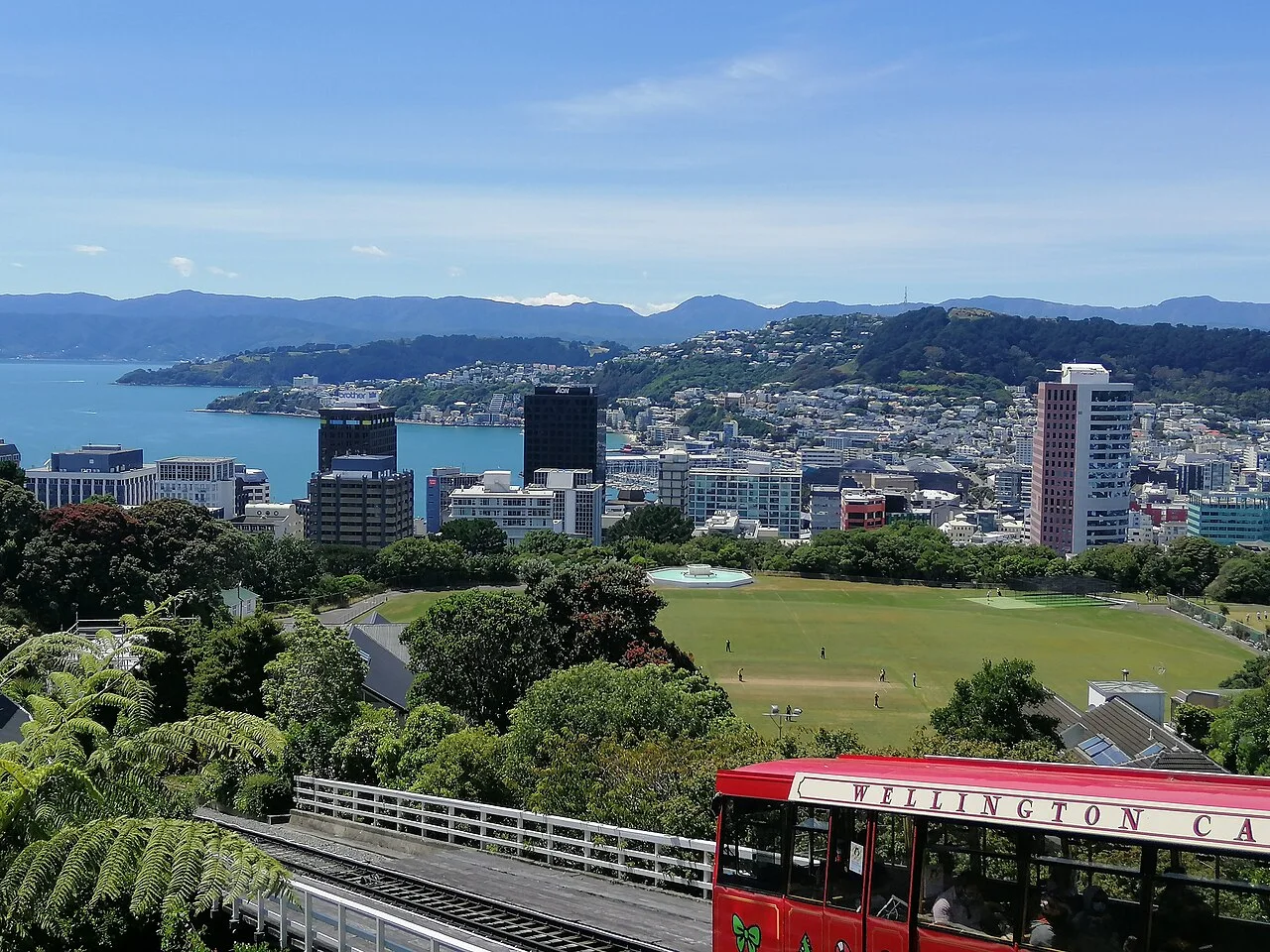

Wellington combines a waterfront, nearby hills and cultural institutions that reveal New Zealand’s capital from very different perspectives. You can begin with stories and objects at Te Papa, climb towards Kelburn to understand the city’s setting and give another block to ecological restoration at Zealandia. These five places bring those experiences together without describing every journey as an easy walk or promising that weather will allow every panoramic view.
Alternating indoors and outdoors is appealing, but useful flexibility takes preparation. Decide which activity needs a reservation, which route suits your mobility and where each part of the day should finish. Two days allow a reasonable selection; a third gives more room for relaxed walks and substantial institutional visits. The official sources below help you review current arrangements instead of relying on prices or opening times copied from an older guide.
Before you pack
- Suggested stay
- Two or three days
- Landscape
- Harbour, hills and urban forest
- Practical priority
- Adapt the route to the weather
1. Te Papa: understand the country through its museum
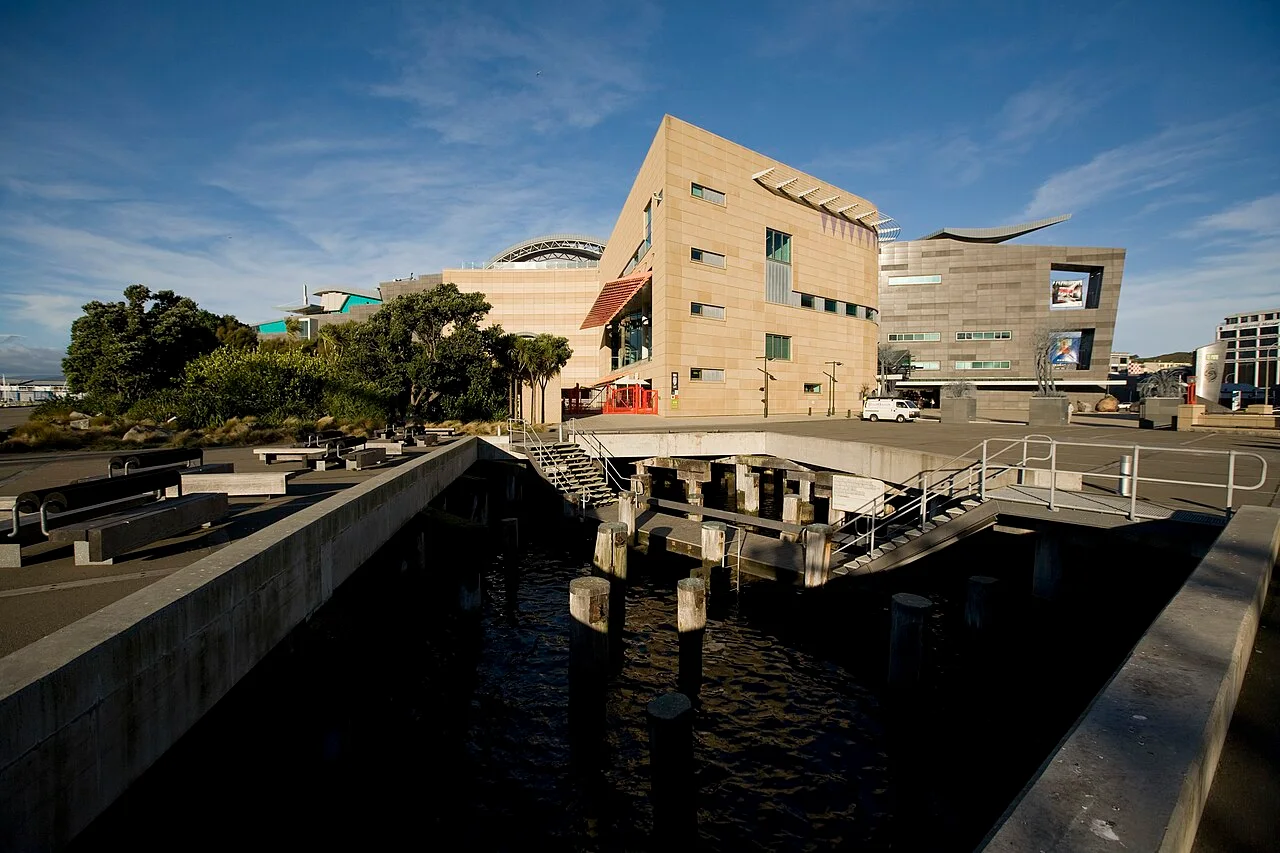
The Museum of New Zealand Te Papa Tongarewa stands beside the waterfront and combines cultural heritage, natural history and art. Its visitor information highlights Māori and Pacific treasures and stories that connect people with Aotearoa New Zealand’s landscapes. Choose galleries according to your interests and pay attention to who is telling each story. A museum of this scale works better with a thoughtful route than an attempt to rush through every room during one brief visit.
The reviewed admission information distinguishes international visitors aged sixteen and over, who require a paid ticket, from New Zealanders and residents, for whom general admission remains free. Confirm your category and what the current product covers; special experiences may have separate conditions. Consult maps, wheelchair loans and other resources if needed. Allow time for breaks and avoid booking another activity immediately afterwards. An exhibition that captures your attention may deserve more time than you expected when planning the day.

2. Wellington Cable Car: travel up to Kelburn
The Cable Car connects Lambton Quay with Kelburn, creating a clear transition between the centre and the hills. WellingtonNZ presents its red cars as a city symbol and highlights views from the upper area. The ascent is part of the experience rather than merely a means of reaching a photograph. Notice how the perspective changes and use the destination to identify the harbour and the arrangement of urban neighbourhoods, provided visibility allows.
Before buying, decide whether to return by the same transport or continue to another place along a suitable route. A transport ticket does not resolve the onward walk or any gradients you may encounter. Check operating conditions and times for your dates, and do not confuse this urban connection with a mountain excursion. If travelling with a pushchair or needing step-free access, examine the entire journey, from the departure street through to the final place you have chosen to visit.
3. Wellington Botanic Garden: explore selected collections
Wellington Botanic Garden ki Paekākā covers twenty-five hectares, combining plant collections, protected native forest and views of the city, according to WellingtonNZ. Its scale makes a selected route useful. Choose several environments and notice leaf shapes, tree arrangements and differences between areas rather than treating the whole garden as a single point to tick off. A map helps turn a large space into a manageable visit that matches both your interests and your available energy.
The garden can be connected with an outing to Kelburn, but check the entrances and gradients along the particular connection you intend to use. Routes do not all require the same effort or lead to the same destination. Identify your preferred exit, carry water and adapt the distance to the time available. If a specific facility matters to you, check its status and conditions separately. A well-chosen walk with pauses often offers more than an extensive circuit rushed to catch the next service.
4. Zealandia: observe conservation in practice
Zealandia is a fenced urban sanctuary focused on native wildlife in an environment protected from introduced predators. The tourism authority highlights its contribution to recovering bird populations and its location in Karori. The interest goes beyond spotting animals: it offers a way to consider how a city can restore habitats and support ecological processes. Arrive with enough time to read interpretation and understand the rules before choosing your route through the site.
Check admission and guided options, and arrange outward and return transport as part of the outing. Being described as close to the centre does not guarantee an immediate journey from every accommodation. Stay on authorised paths and follow staff instructions without feeding wildlife or pursuing an animal for a photograph. Sightings depend on animals and conditions. A worthwhile visit can include sounds, signs and learning even when the particular species you hoped to see does not appear.
5. Mount Victoria: read the harbour landscape
Mount Victoria rises 196 metres above the city and provides a lookout across Wellington, its harbour and the surrounding hills. WellingtonNZ connects it with Town Belt trails and the Southern Walkway. That makes a walk possible, but first distinguish reaching the lookout from completing a longer route. Choose according to your preparation and available time rather than allowing a panoramic stop to become an unplanned extended outing. Identify both the approach and the return before setting off.
Check the forecast and consider wind exposure before assigning a rigid time to the visit. Paying for transport or making the effort to climb does not guarantee a clear view. Carry suitable clothing, secure loose belongings and remain in authorised areas. If visibility is poor, change the order of your days and use a museum or another urban activity instead. The purpose is to appreciate the city’s geography comfortably, not obtain a photograph regardless of conditions.
Planning the hills and waterfront
Group Te Papa with a waterfront walk, and give the Cable Car and garden connection a separate block. Zealandia needs its own access arrangements, while Mount Victoria is best kept responsive to weather. This grouping is not a promise of exact journey times: calculate routes from your accommodation and check the connections you will actually use. Leave room for meals and any mobility requirements rather than treating every transition as instant.
When allocating your budget, choose ticketed experiences that add something meaningful to the trip and check the rules for your visitor category. Avoid assuming that national museums are always free for everyone; Te Papa publishes distinctions that affect planning. Keep confirmations and useful maps offline, and review official notices if a transport service changes. A shorter, organised day with energy to observe is usually preferable to reaching every place while enjoying none of them properly.
A route to get you started
- Day one: give Te Papa substantial time and then walk a suitable stretch of the waterfront according to conditions. If adding another visit, choose something that does not require a hurried cross-city journey. This is a useful day to find your bearings and adjust the priorities for the rest of your stay.
- Day two: arrange the Cable Car and a selected botanic-garden route after checking the connection between them. With a third day, visit Zealandia and keep Mount Victoria for a block with favourable conditions. With only two days, choose between the sanctuary and one panoramic outing instead of forcing every journey into the schedule.
Good to know
Is Te Papa free for international tourists?
The reviewed information requires paid admission for international visitors aged sixteen and over, while retaining free general entry for New Zealanders and residents. Check current products, applicable eligibility and special exhibitions before visiting. An older recommendation describing the museum as free is not a universal rule.
Does the Cable Car take me to Mount Victoria?
No. This guide describes the Lambton Quay to Kelburn connection separately from Mount Victoria. Save both locations and plan their approaches independently. Confusing the two hills can disrupt reservations and leave you some distance from the walking route or viewpoint you intended to visit.
Are wildlife sightings guaranteed at Zealandia?
A particular sighting cannot be guaranteed in a conservation setting where animals move through their habitat. Follow the rules, maintain distance and value the environmental interpretation. A guided visit may improve your understanding and observation, but it does not turn wildlife into an on-demand scheduled performance.
Wellington offers cultural stories, views and nearby nature when visits are organised into manageable blocks with flexibility for weather. Decide how deeply you want to explore each place, check admission and access, and preserve energy for observation. The harbour and hills are more rewarding when the itinerary follows a pace you can enjoy.