
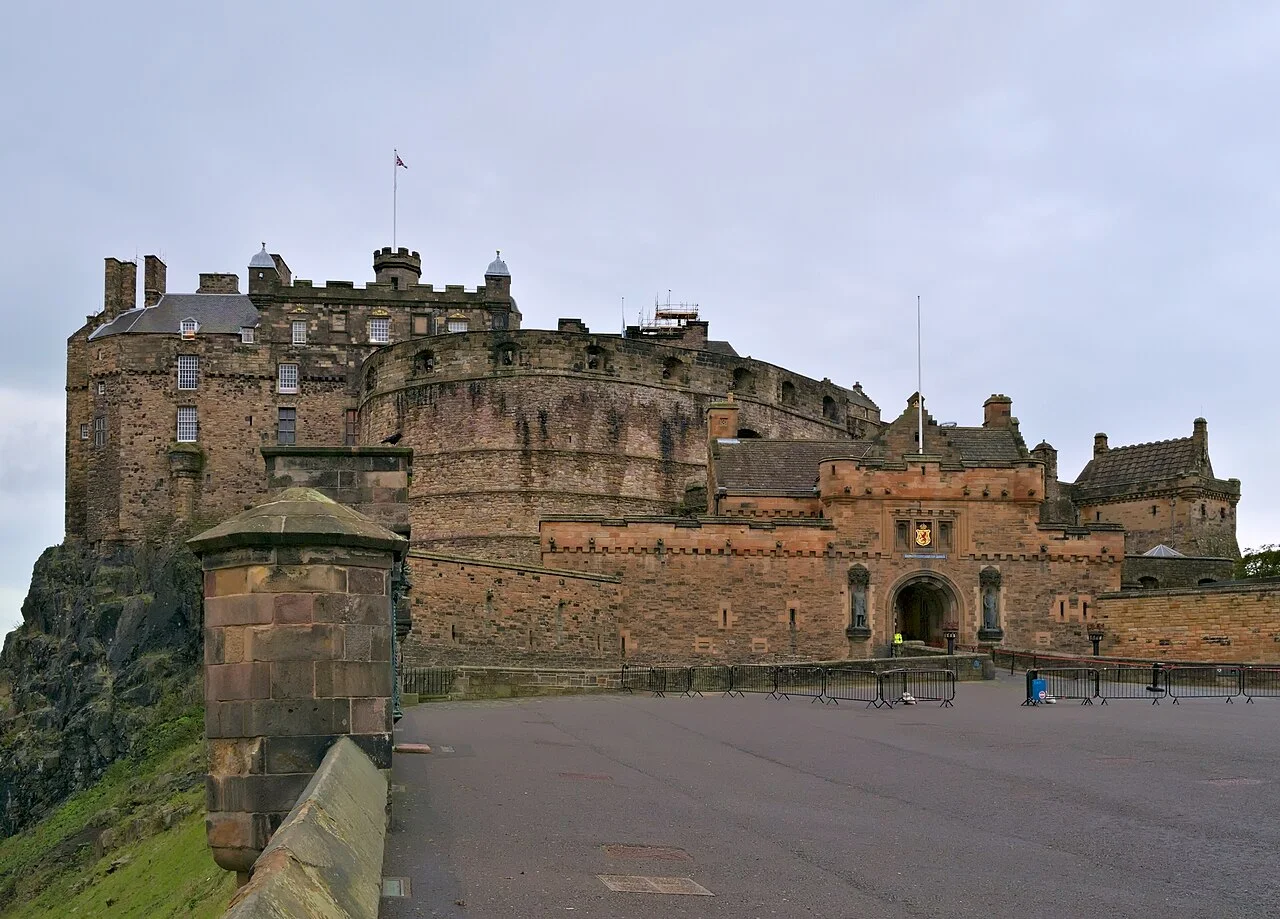

Edinburgh has an instantly recognisable skyline, but its appeal extends well beyond looking at the castle from a distance. You can move from a fortress to art collections, from Scottish history to gardens that change the rhythm of the day completely. These five visits offer different kinds of interest, helping you plan a first stay without turning every hour into a race. The selection combines central institutions with places that deserve a separate journey.
Decide what you want to explore inside before buying tickets or a sightseeing pass. Two nearby monuments may each require several hours, while a short distance on a map can include steep streets. Check institutional calendars, reserve activities with limited capacity and leave room to eat, rest and look at the city itself. This itinerary is a flexible starting point, rather than a promise that every building and programme operates on every date.
Before you pack
- Suggested stay
- Two or three days
- Focus
- History, museums and gardens
- Planning
- Reservations and sloping routes
1. Edinburgh Castle: give the fortress its own time
The castle dominates Castle Rock at the upper end of the Royal Mile. Its buildings and spaces have different functions; the operator highlights the Great Hall, St Margaret’s Chapel and the One O’Clock Gun among the things to explore. Choose a route before entering according to your interests: military history, architecture or a general introduction. Official maps and suggested itineraries help explain the complex instead of simply leading you towards whichever courtyard currently contains the largest crowd.
The castle website suggests two to three hours for a morning itinerary, a useful reference when avoiding closely spaced bookings. Check which areas are open and what your admission covers; a famous room is not guaranteed to be accessible on your chosen date. Elevation and changes in level also matter for mobility. If you need assistance, investigate the complete visitor route in advance. Views are part of the appeal, but time spent understanding the buildings gives the visit more substance than a succession of panoramas.
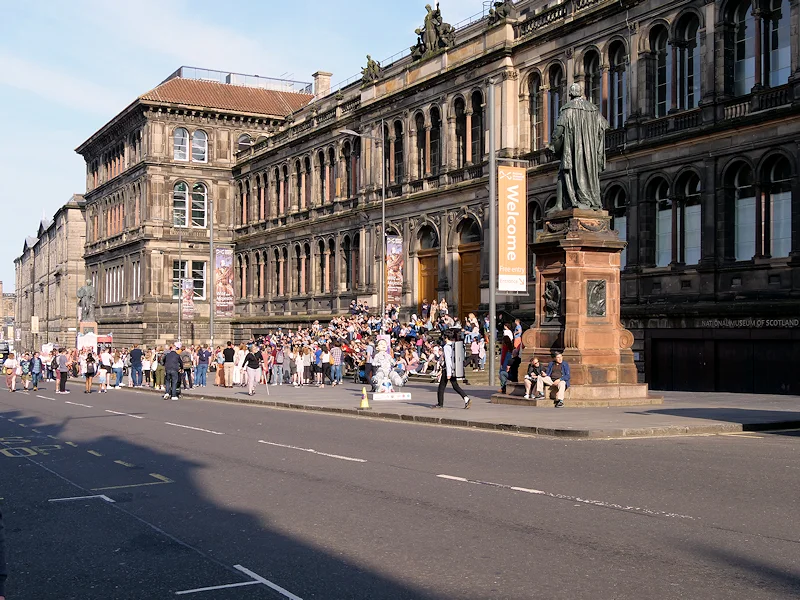
2. National Museum of Scotland: follow a theme
The National Museum of Scotland brings together Scottish history, world cultures, the natural world and technology. That breadth is useful for a group with different interests, although it can also feel overwhelming. Select two or three areas and find a connection between them: materials used in different periods, tools, representations of identity or scientific discoveries. A route shaped around your curiosity is usually more memorable than trying to glance at every display without pausing to understand anything in depth.
The tourism authority describes general admission as free, with possible charges for special exhibitions. Check current programming and the particular exhibition conditions before setting your budget. The museum is a valuable rainy-day option, but it deserves priority for its collections rather than only as shelter. Consult accessibility resources and take breaks between galleries if needed. Leaving a substantial block of time allows you to read interpretation, discuss what you have seen and decide which area deserves a closer second look.

3. The National Gallery: paintings beside the gardens
The National building of the National Galleries of Scotland contains European painting from the Renaissance to the nineteenth century alongside Scottish work. Its position overlooking Princes Street Gardens makes it possible to combine an indoor visit with an outdoor pause. Do not confuse it with the Modern or Portrait buildings: these have different locations and collections. Confirm the particular gallery when saving an address or checking an exhibition you have seen advertised online.
For a first visit, choose several works and look at how light, gesture or landscape changes between artists. The tourism description names painters including Rembrandt, Monet and Raeburn, but a collection is not a guarantee that a particular work will always be displayed. Consult current information if one painting is central to your trip. Tours and events can provide context, while an independent visit allows you to linger over the subjects that interest you without following a group’s pace.
4. Royal Botanic Garden: a different kind of city visit
The Royal Botanic Garden offers another way to experience Edinburgh: through plants, landforms and spaces designed for learning and relaxation. Forever Edinburgh highlights the Chinese Hillside, Rock Garden and redwoods in the Woodland Garden. Choose several areas and pay attention to the connections between them. A large garden does not have to be covered completely to be rewarding, especially after several monuments when you may welcome an experience less concentrated on rooms, objects and historical dates.
Ordinary garden admission is described as free, with exceptions for particular events. That does not establish that every glasshouse, building or programme is included or available: check the conditions of the specific facility you want to see. Adapt your walk to rain, wind and available daylight, using maps to identify entrances and places to rest. This outing deserves its own time. Adding it as the final stop on an already crowded day often leaves too little opportunity to enjoy the details.
5. Holyroodhouse: a palace with an active role
At the foot of the Royal Mile, the Palace of Holyroodhouse is the monarch’s official residence in Scotland. A visit introduces ceremonial rooms and episodes of royal history, including the palace’s connection with Mary, Queen of Scots. The tourism authority also highlights the abbey ruins and gardens. Distinguish these areas when examining the visitor route: belonging to the same complex does not mean that every space has identical access arrangements throughout the year.
A palace with continuing official functions can change its visitor availability. Check the calendar before booking and choose a time that leaves room for the journey from your accommodation. A multimedia guide can connect objects and rooms with the events being described, rather than reducing the experience to decoration. If combining Holyroodhouse with the castle, give them separate blocks and a break between visits. These are different institutions, with independent admissions and enough content to deserve more than a hurried comparison.
Tickets, distances and wet-weather alternatives
Build each morning or afternoon around one main visit. If considering a sightseeing pass, compare its price with the tickets you will actually use and check whether individual time reservations are still required. Free collections can sit alongside paid special exhibitions, so read the entire product description. Do not choose a purchase simply because it advertises a long list of attractions: your available time also determines whether it represents useful value.
When planning journeys, consider gradients and entrances as well as distance. Central Edinburgh supports many walks, but consecutive climbs or wet surfaces will not suit everyone. Keep an indoor alternative and consult accessibility information for the places that matter most to you. In poor weather, shortening a walk can be more sensible than protecting the original schedule at all costs. Allow time to dry clothes, eat and recover energy before beginning another substantial visit.
A route to get you started
- Day one: give the morning to the castle and leave space for lunch afterwards. In the afternoon, choose the National Gallery and a walk around Princes Street Gardens if conditions suit. You do not need to add another ticketed institution for the day to feel complete.
- Day two: arrange Holyroodhouse around an available reservation and give a separate block to the National Museum. If you prefer taking your time with collections, divide this programme over two days. Keep the botanic garden for a third morning, or replace an indoor visit if plants are your main interest.
Good to know
Can I fit all five places into one day?
You can see exteriors and choose one main indoor visit, but five institutions with such different content deserve more time. With one day, prioritise the castle or a museum and add a nearby walk. Avoid buying several admissions if you would only have a few minutes to use each one.
Are all the museums and gardens free?
No. The tourism authority describes free general entry to the National Museum and botanic garden, with possible charges for exhibitions or events. Other attractions use their own admissions. Read each product carefully rather than extending one institution’s free-entry arrangement to every space in the city.
What should I do if the weather changes?
Museums and galleries can help you rearrange the day, subject to their hours and capacity. Check reservations that cannot be changed, shorten exposed walks and choose routes suited to your mobility. Do not assume that an indoor alternative is immediately beside wherever you happen to be when rain arrives.
Edinburgh can combine a fortress, historical collections, painting, plants and royal ceremony without making every day feel the same. Choose visits for their content and leave margin for the journeys between them. The official sources below help with reservations and access; the remaining priority is enough time to look, understand and enjoy the city.